
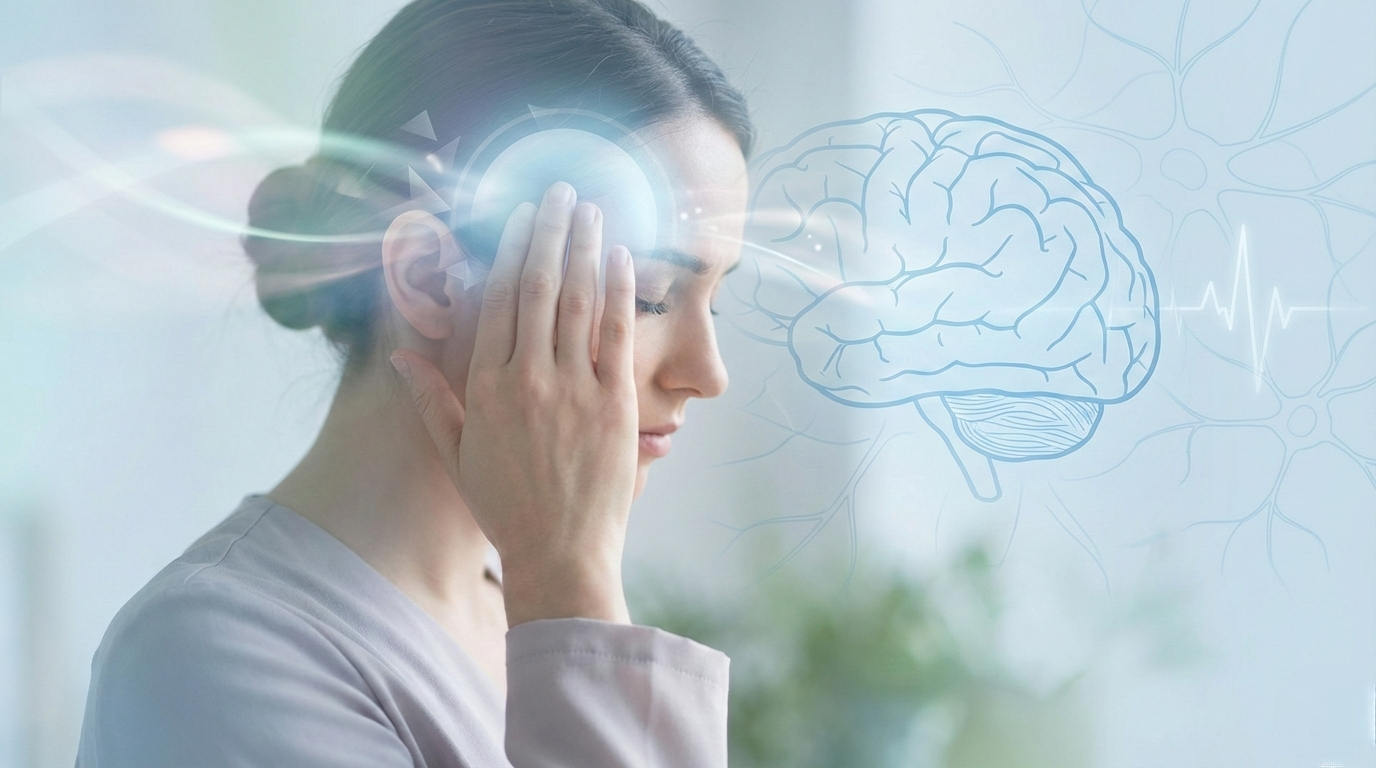
Migraine is more than just a headache. It is a complex neurological disorder that can severely affect a person’s quality of life. Millions of people worldwide suffer from migraine attacks that interfere with work, family life, and daily activities. Understanding migraine symptoms and treatment is essential for early diagnosis, effective management, and long-term relief.
According to medical experts, including neurologists, migraine is a condition involving intense headache pain along with neurological and physical symptoms. This guide explains what migraine is, its stages, symptoms, causes, triggers, risk factors, complications, and available treatment options in a clear and easy-to-understand way.
What Is a Migraine?
A migraine is a type of headache disorder characterized by moderate to severe throbbing or pulsating pain, usually on one side of the head. Unlike regular headaches, migraines are often accompanied by other disabling symptoms such as nausea, vomiting, and extreme sensitivity to light, sound, or smell.
Migraine attacks can last anywhere from 4 hours to 72 hours if left untreated. The pain can be so intense that it disrupts normal daily activities, forcing many people to rest in a dark, quiet room.
Why Understanding Migraine Symptoms and Treatment Is Important
Many people live with migraines for years without proper diagnosis or treatment. Understanding migraine symptoms and treatment helps in:
-
Early recognition of migraine attacks
-
Reducing attack frequency and severity
-
Preventing complications
-
Improving quality of life
Migraine is not a sign of weakness. It is a legitimate medical condition that requires proper care and management.
Stages of Migraine
Migraine attacks typically progress through four stages, although not everyone experiences all of them.
1. Prodrome Stage (Warning Phase)
This stage can begin 1–2 days before the headache and serves as an early warning sign.
Common prodrome symptoms include:
-
Constipation
-
Mood changes (depression or excitement)
-
Food cravings
-
Neck stiffness
-
Increased urination
-
Fluid retention
-
Frequent yawning
Recognizing this stage can help some people take preventive action early.
2. Aura Stage
The aura stage occurs in some migraine sufferers, either before or during the headache. Auras are temporary neurological symptoms that usually develop gradually and last up to 60 minutes.
Common migraine aura symptoms:
-
Visual disturbances (flashing lights, bright spots, zigzag lines)
-
Partial or complete vision loss
-
Tingling or pins-and-needles sensation in arms or legs
-
Numbness or weakness on one side of the body
-
Difficulty speaking or understanding words
Not everyone with migraines experiences aura, but when present, it can be alarming.
3. Attack Stage
This is the main migraine phase and can last 4 to 72 hours.
Migraine attack symptoms include:
-
Severe headache pain, usually on one side
-
Throbbing or pulsating pain
-
Sensitivity to light, sound, smell, and touch
-
Nausea and vomiting
-
Dizziness or blurred vision
During this phase, routine activities like walking, talking, or working can worsen the pain.
4. Postdrome Stage
After the migraine attack ends, many people experience a postdrome, also known as a “migraine hangover.”
Postdrome symptoms include:
-
Extreme fatigue
-
Confusion
-
Difficulty concentrating
-
Mood changes (feeling drained or unusually happy)
Sudden movements may briefly bring the headache pain back.
Common Migraine Symptoms
To summarize, the most common migraine symptoms include:
-
One-sided or bilateral headache pain
-
Pulsating or throbbing sensation
-
Nausea and vomiting
-
Sensitivity to light and sound
-
Visual disturbances
-
Tingling or numbness
-
Difficulty speaking
-
Fatigue and confusion
The combination and intensity of symptoms vary from person to person.
What Causes Migraine?
The exact cause of migraine is not fully understood, but research suggests a combination of genetic and environmental factors.
Possible mechanisms include:
-
Changes in the brainstem and trigeminal nerve
-
Imbalance of brain chemicals like serotonin
-
Release of neuropeptides such as CGRP (calcitonin gene-related peptide)
These changes affect pain pathways and trigger migraine attacks.
Common Migraine Triggers
Migraine triggers vary widely among individuals. Identifying personal triggers is an important part of migraine management.
Hormonal Triggers
-
Menstrual cycle changes
-
Pregnancy
-
Menopause
-
Oral contraceptives
Dietary Triggers
-
Alcohol (especially wine)
-
Excess caffeine or caffeine withdrawal
-
Aged cheeses
-
Processed and salty foods
-
Food additives like MSG and aspartame
-
Skipping meals
Lifestyle Triggers
-
Stress at work or home
-
Poor sleep or excessive sleep
-
Physical exertion
Environmental Triggers
-
Bright or flashing lights
-
Loud noises
-
Strong smells (perfume, smoke, chemicals)
-
Weather or barometric pressure changes
Risk Factors for Migraine
Certain factors increase the likelihood of developing migraines:
-
Family history: Genetics plays a major role
-
Age: Often begins during adolescence
-
Gender: Women are three times more likely than men
-
Hormonal changes: Especially during menstruation, pregnancy, or menopause
Migraine Symptoms and Treatment: When to See a Doctor
Many migraines go undiagnosed. You should consult a healthcare professional if:
-
Migraines are frequent or worsening
-
Headache patterns suddenly change
-
Pain interferes with daily life
Seek emergency medical help if you experience:
-
Sudden, severe headache (“thunderclap headache”)
-
Headache with fever, stiff neck, confusion, or seizures
-
Weakness, numbness, or double vision
-
Headache after a head injury
-
New headache after age 50
These symptoms could indicate a more serious condition such as a stroke.
Migraine Treatment Options
Effective migraine symptoms and treatment focus on reducing pain, shortening attacks, and preventing future migraines.
1. Acute Migraine Treatment
Used during an attack to relieve pain:
-
Pain relievers (acetaminophen, NSAIDs)
-
Triptans
-
Anti-nausea medications
2. Preventive Migraine Treatment
Used regularly to reduce attack frequency:
-
Beta-blockers
-
Antidepressants
-
Anti-seizure drugs
-
CGRP inhibitors
3. Lifestyle and Self-Care Measures
-
Regular sleep schedule
-
Stress management techniques
-
Balanced meals
-
Hydration
-
Avoiding known triggers
Combining medication with lifestyle changes often gives the best results.
Complications of Migraine
One major complication is medication-overuse headache, which occurs when pain medications are used too frequently.
This can lead to:
-
Chronic daily headaches
-
Reduced effectiveness of medications
-
A cycle of dependency and worsening pain
Always follow medical advice when using migraine medications.
Living With Migraine
Migraine is a long-term condition, but with proper understanding and management, many people lead productive and fulfilling lives. Keeping a migraine diary to track triggers, symptoms, and treatments can be extremely helpful.
Conclusion
Migraine is a serious neurological condition, not just a simple headache. Understanding migraine symptoms and treatment empowers individuals to recognize early warning signs, avoid triggers, seek timely medical care, and manage attacks effectively.
With the right combination of medical treatment, lifestyle changes, and awareness, migraine can be controlled, allowing individuals to regain control over their daily lives.
Medical Disclaimer
This content is for informational purposes only and does not replace professional medical advice. Always consult a qualified healthcare provider for diagnosis and treatment.