Home Blog Page 6

Healthy Snacks for Diabetics: Smart Choices to Manage Blood Sugar

0
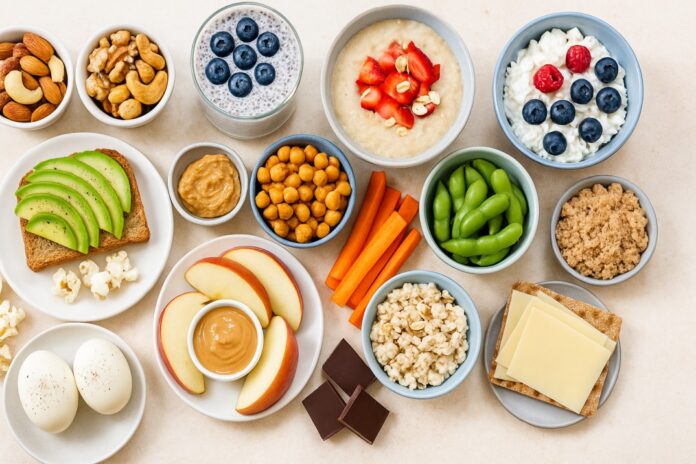
Healthy Snacks for Diabetics

Managing diabetes doesn’t mean giving up on snacks. In fact, smart snacking can help control blood sugar, curb hunger, and provide essential nutrients. This guide offers a comprehensive look at the best healthy snacks for diabetics that are both delicious and diabetes-friendly.

🥦 Why Snacking Matters for Diabetics

Snacking, when done right, can be a vital part of a diabetes management plan. Here’s why:

  • Prevents sudden blood sugar drops: Especially between long meal gaps.
  • Helps in avoiding overeating: Small healthy snacks can keep you full and prevent bingeing.
  • Supports steady energy levels: Good snacks offer sustained energy, avoiding spikes and crashes.
  • Maintains metabolism: Regular small meals/snacks help keep metabolism active.

🧠 What Makes a Snack Diabetic-Friendly?

Choosing the right type of snack can make a big difference. Diabetic-friendly snacks are:

  • Low in added and refined sugars
  • High in fiber, which slows glucose absorption
  • Contain lean proteins and healthy fats
  • Made with whole grains or natural sources like fruits, vegetables, and legumes
  • Have a low to moderate glycemic index (GI) to avoid sudden sugar spikes
  • Are portion controlled to avoid excess calorie intake

🍎 Top 15 Healthy Snacks for Diabetics (Detailed)

  1. Apple Slices with Peanut Butter – Crisp apple slices paired with natural, unsweetened peanut butter offer a mix of fiber, vitamins, and healthy fats. The fiber slows down sugar absorption while peanut butter adds protein.
  2. Boiled Eggs with Pepper – A portable, high-protein snack. Eggs help you feel full longer and are almost carb-free, making them perfect for stable blood sugar.
  3. Roasted Chickpeas – High in fiber and protein, roasted chickpeas are a crunchy, satisfying alternative to chips. Season with spices like paprika or cumin for extra flavor.
  4. Greek Yogurt with Flaxseeds – Unsweetened Greek yogurt is low in carbs and packed with probiotics. Adding flaxseeds enhances fiber content and offers omega-3 fatty acids.
  5. Low-Fat Cheese & Whole-Grain Crackers – Cheese provides calcium and protein, while whole-grain crackers offer fiber. Choose low-sodium options to keep it heart-friendly.
  6. Carrot or Cucumber Sticks with Hummus – Crunchy, hydrating, and filled with vitamins. Hummus made from chickpeas adds protein and healthy fats.

  7. Mixed Nuts (Unsalted) – Almonds, walnuts, and pistachios are rich in healthy fats, fiber, and protein. A small handful can keep hunger at bay for hours.
  8. Chia Pudding with Almond Milk – Chia seeds expand in liquid and form a gel-like texture. They’re high in fiber and omega-3s. Add cinnamon or a few berries for flavor.
  9. Avocado on Whole-Grain Toast – Creamy avocado is loaded with monounsaturated fats and potassium. Combine with whole-grain toast for a satisfying, slow-digesting snack.
  10. Cottage Cheese with Berries – This protein-rich combo has a sweet-savory balance. Use berries like blueberries or strawberries for antioxidants and natural sweetness.
  11. Air-Popped Popcorn (Unsalted) – A whole grain that’s low in calories and high in fiber. Avoid butter or artificial flavoring.
  12. Edamame (Steamed Soybeans) – High in plant protein, fiber, and essential nutrients like magnesium and iron. Sprinkle with sea salt or lemon juice.
  13. Baked Kale Chips – A low-calorie, crunchy snack that’s rich in vitamins A, K, and C. Simply season and bake kale leaves until crispy.
  14. Oats Smoothie (No Sugar) – Blend oats with almond milk, cinnamon, and a few nuts or seeds. It keeps you full and supports heart health.
  15. Dark Chocolate (85% Cocoa or More) – Rich in antioxidants and a healthy treat in moderation. A small square can curb sweet cravings without spiking sugar.

📊 Nutritional Comparison Table

Snack Carbs (g) Fiber (g) Protein (g) GI Level
Apple + Peanut Butter 20 4 4 Medium
Boiled Egg 1 0 6 Low
Roasted Chickpeas (½ cup) 18 5 6 Low
Greek Yogurt (unsweetened) 6 0 10 Low
Carrots + Hummus 15 4 3 Low

💡 Tips for Smart Snacking

To make snacking both healthy and effective for managing diabetes:

  • Practice portion control: Use small bowls or containers.
  • Avoid high-GI foods: They can cause sugar spikes.
  • Read food labels carefully: Especially check for hidden sugars, sodium, and saturated fat.
  • Don’t snack out of boredom: Eat only when you are hungry.
  • Plan your snacks in advance: Keep healthy options readily available.
  • Drink water: Sometimes thirst is confused with hunger.

🚫 Snacks to Avoid

Avoid processed, sugary, or high-carb snacks that may cause blood sugar to spike. Here are some examples:

Avoid These Snacks Why?
Sugary cookies and pastries High sugar & high GI
Potato chips and fried items High fat, carbs, and salt
Packaged fruit juices Hidden sugars, no fiber
White bread sandwiches High glycemic carbs
Energy bars with sugar syrup Spikes blood sugar

🥗 Sample Schedule Healthy Snacks for Diabetics

Time Snack Option
10:30 AM Boiled egg + 5 almonds
3:00 PM Carrot sticks with hummus
5:30 PM Air-popped popcorn + green tea
8:00 PM Greek yogurt with a few berries

📝 Conclusion

Diabetes doesn’t mean snacking is off-limits—it just means snacking smart. By choosing whole, nutrient-rich, low-sugar options, you can maintain steady blood glucose levels and enjoy your food too. Keeping healthy snacks ready can prevent overeating and help you stay on track.

Start small, plan ahead, and snack with purpose. Your body (and taste buds) will thank you!

No Need to Panic: Delhi Reports 23 New Covid Cases, All Under Control – Say Doctors and Health Minister

0
Delhi Reports 23 New Covid Cases

Current Situation in Delhi

23 Active Covid Cases as of May 22

The Delhi government confirmed that 23 active Covid-19 cases have been reported in the city as of May 22, 2025. Health Minister Dr. Pankaj Singh stated that all patients are currently stable and under observation.

All Patients Are Stable

Out of the 23 cases, two to three patients are admitted to private hospitals while the rest are being monitored at home. None of the cases are serious or life-threatening.

Health Minister Dr. Pankaj Singh’s Statement

No Reason to Panic

Dr. Singh reassured the public, saying, “The current strain resembles the common flu. There is absolutely no need to panic. Our healthcare system is fully prepared.”

Situation Is Under Control

He also mentioned that senior health officials are conducting daily inspections of hospitals, ensuring that preparedness levels are up to mark.

Hospital Readiness and Infrastructure

Meetings with Medical Superintendents

The health minister held meetings with heads of hospitals to ensure preparedness in case of a surge in cases.

Availability of Oxygen and Medicines

All public and private hospitals have been instructed to ensure a sufficient stock of oxygen cylinders, oximeters, antibiotics, and vaccines.

Patient Distribution and Locations

Some Patients in Private Hospitals

A few of the positive cases are under care at private hospitals, though their condition remains stable.

Majority Under Home Isolation

Most patients are in home isolation and are being closely monitored by the health department.

Is It a New Variant?

Omicron Sub-Variant JN.1

Doctors have confirmed the presence of the JN.1 sub-variant of Omicron, a descendant of the BA.2.86 strain, commonly known as Pirola.

Sub-Lineages Like LF.7 and NB1.8

These lineages have been reported in other Asian countries as well and are more transmissible, but the symptoms remain similar to Omicron.

Doctors’ Expert Opinions

No Severe Symptoms Observed

According to infectious disease specialists like Dr. Jatin Ahuja and Dr. Rommel Tickoo, the current variant is not leading to serious cases or hospitalizations.

Symptoms Resemble Seasonal Flu

Symptoms include sore throat, mild fever, and cough—much like a typical seasonal illness.

Who Should Be More Careful?

Patients with Comorbidities

Individuals with pre-existing conditions like diabetes, heart issues, or hypertension should be extra cautious.

Immunocompromised Individuals

Those with weakened immune systems need to take preventive measures seriously.

Common Symptoms to Watch For

  • Sore throat

  • Cough

  • Mild fever

  • Nausea

  • Eye irritation or conjunctivitis

Guidelines for Hospitals

Ventilators and BiPAP Machines Must Be Ready

Hospitals have been asked to ensure all life-support equipment is fully operational.

Refresher Training for Healthcare Staff

Health workers may undergo refresher training to remain updated with protocols.

Daily Reporting and Monitoring

IHIP Portal Compliance

All health facilities must report daily data on the Integrated Health Information Platform (IHIP).

Genome Sequencing Required

All positive Covid samples must be sent to Lok Nayak Hospital for whole genome sequencing.

Covid Testing Protocols

  • Testing of 5% of Influenza-Like Illness (ILI) cases

  • Testing of 100% of Severe Acute Respiratory Infection (SARI) cases

Delhi State Health Data Management Portal

Hospitals must report all critical health parameters daily on the Delhi State Health Data Management Portal, as per the special secretary’s instructions.

Situation in Neighboring Areas

2 Cases in Gurgaon

Two cases were reported in Gurgaon—one 62-year-old man and one 31-year-old woman, both of whom had recently returned from Mumbai.

1 Case in Faridabad

A 28-year-old security guard from Faridabad tested positive while being treated at Delhi’s Safdarjung Hospital.

Is This the Start of a New Covid Wave?

Experts believe the virus is now endemic and not indicative of a new wave. Cases are sporadic and manageable.

Global Trends and Impacts

Asian countries have seen a minor spike in Covid-19 cases recently, likely due to new variants. India remains cautious and alert.

Role of WHO and ICMR

The Indian Council of Medical Research (ICMR) has issued new testing guidelines, while the World Health Organization continues to monitor global developments.

Precautionary Advice for the Public

  • Wear masks in crowded places

  • Use hand sanitizer regularly

  • Get tested if you show any symptoms

Conclusion: Stay Alert, Not Alarmed

Delhi’s current Covid situation is well under control. The government and healthcare system are fully prepared. With timely precautions and awareness, the public can stay safe without fear.


📢 If you found this article useful, share it with your friends and family to keep them informed.

Chia Seeds: Superfood Benefits, Nutrition Facts, and How to Use Them Daily

0
Chia Seeds

Chia seeds may be tiny, but they pack a mighty nutritional punch. Known as a superfood, chia seeds have become a staple in healthy diets across the globe. Derived from the Salvia hispanica plant, these seeds have been consumed for centuries by ancient civilizations like the Aztecs and Mayans. The word “chia” even means “strength” in the Mayan language!

Today, chia seeds are recognized for their numerous health benefits, versatility in recipes, and easy integration into any diet.

Nutritional Profile of Chia Seeds

Macronutrients and Micronutrients

Chia seeds are nutrient-dense. Just 2 tablespoons (28g) provide:

  • Fiber: 10g (40% of daily needs)

  • Protein: 5g

  • Fat: 9g (including omega-3s)

  • Calcium: 18% of the RDI

  • Magnesium: 30% of the RDI

  • Phosphorus: 27% of the RDI

Omega-3 Fatty Acids Content

Chia seeds are one of the richest plant-based sources of omega-3 fatty acids, specifically alpha-linolenic acid (ALA). These healthy fats play a vital role in brain health, heart function, and inflammation control.

Antioxidants and Fiber

Chia seeds are high in antioxidants, which help protect your body from free radicals, aging, and cancer. Plus, the soluble fiber forms a gel-like substance in your stomach that aids digestion and keeps you full longer.

Top Health Benefits of Chia Seeds

Supports Heart Health

Omega-3 fatty acids in chia seeds help reduce LDL cholesterol, lower blood pressure, and decrease inflammation, all of which support a healthy heart.

Aids in Digestion

Thanks to their high fiber content, chia seeds act as a natural digestive aid, promoting regular bowel movements and gut health.

Boosts Energy and Metabolism

The combination of protein, fiber, and fat provides long-lasting energy, making chia seeds a popular choice for athletes and fitness enthusiasts.

Helps in Weight Management

Fiber absorbs water and expands in the stomach, making you feel full longer and reducing cravings. This satiety can assist in controlling appetite and supporting healthy weight loss.

Stabilizes Blood Sugar Levels

Chia seeds slow the absorption of sugar in the bloodstream, making them ideal for people with type 2 diabetes or insulin resistance.

Chia Seeds for Skin and Hair

Antioxidants for Skin Health

Chia seeds are packed with antioxidants, which combat oxidative stress and protect the skin from premature aging. These antioxidants, along with omega-3s, help maintain skin elasticity, reduce inflammation, and contribute to a glowing complexion.

Strengthens Hair and Promotes Growth

The combination of protein, zinc, and omega-3 fatty acids in chia seeds supports healthy hair growth. These nutrients strengthen hair follicles, reduce breakage, and promote shinier, more vibrant hair.

Chia Seeds and Weight Loss

How They Help You Feel Full

One of the most popular reasons people incorporate chia seeds into their diet is to aid in weight management. When soaked, chia seeds absorb up to 12 times their weight in water, forming a gel-like substance that expands in your stomach and helps you feel full for longer periods.

Chia Water for Appetite Control

Chia water—made by soaking 1 tablespoon of chia seeds in a glass of water for 30 minutes—is a simple and effective drink that curbs appetite and boosts hydration.

Chia Seeds in a Diabetic Diet

Low Glycemic Index Benefits

Chia seeds have a low glycemic index, meaning they cause a slower rise in blood sugar levels. This makes them a smart addition to a diabetic or pre-diabetic diet.

Managing Blood Sugar Naturally

Studies have shown that regular consumption of chia seeds can help reduce post-meal blood sugar spikes and improve insulin sensitivity.

How to Use Chia Seeds Daily

Soaking vs Raw Consumption

  • Soaked: Soaking chia seeds softens their outer shell, making them easier to digest and maximizing nutrient absorption.

  • Raw: You can sprinkle them on yogurt, cereal, or salads for added crunch.

Recommended Daily Intake

The general recommendation is 1–2 tablespoons per day, depending on your dietary goals.

Chia Pudding, Smoothies, and More

Popular chia recipes include:

  • Chia pudding with almond milk and honey

  • Smoothies for a fiber and protein boost

  • Baked goods like muffins and energy bars

  • Soups and sauces as a natural thickener

Chia Seeds Recipes for Every Meal

Breakfast Ideas

  • Overnight chia oats

  • Chia banana pancakes

  • Chia smoothie bowls

Lunch and Dinner Meals

  • Chia-crusted chicken

  • Quinoa and chia veggie burgers

  • Chia seed crackers

Snacks and Dessert Options

  • Chocolate chia pudding

  • Chia seed granola bars

  • Lemon chia energy bites

Chia Seeds vs Other Superfoods

Compared to Flaxseeds and Hemp Seeds

Nutrient Chia Seeds Flaxseeds Hemp Seeds
Omega-3s ✅ High ✅ High Moderate
Fiber ✅ Very High High Low
Protein Moderate Moderate ✅ Very High
Best For Digestion, heart health Hormone balance Muscle building

What Makes Chia Stand Out?

Chia seeds are more versatile, longer-lasting, and gel-forming, which makes them ideal for hydration and digestive health compared to other superfoods.

Side Effects and Precautions

Potential Digestive Issues

Due to their high fiber content, consuming too many chia seeds too quickly can cause:

  • Bloating

  • Gas

  • Constipation

How Much is Too Much?

More than 2 tablespoons per day may lead to digestive discomfort if not balanced with adequate water intake.

Who Should Avoid Chia Seeds?

  • People with swallowing difficulties (if not soaked)

  • Those with allergies to mint family plants

  • Individuals on blood-thinning medications

Buying and Storing Chia Seeds

How to Choose High-Quality Seeds

Look for:

  • Organic, non-GMO labels

  • Black or white chia seeds (avoid red or brown ones)

  • Packaged in airtight containers

Proper Storage Techniques

  • Keep in a cool, dry place

  • Use within 2 years for maximum freshness

  • Store in the refrigerator after opening

Chia Seeds for Athletes

Natural Energy Booster

The Aztecs used chia seeds as a source of sustainable energy for long-distance running and battle. Modern athletes use them to enhance stamina and endurance.

Hydration and Recovery Support

When soaked, chia seeds help retain water, aiding in hydration during intense workouts. Their protein and antioxidants also speed up post-exercise recovery.

Sustainability and Environmental Impact

How Chia Seeds Are Grown

Chia is a relatively low-maintenance crop that requires less water and pesticide use, making it a sustainable choice.

Eco-Friendly Superfood Benefits

Chia cultivation has a low carbon footprint, and the seeds are biodegradable and non-toxic, supporting both human and planetary health.

FAQs About Chia Seeds

Q1: Can I eat chia seeds every day?
Yes! They are safe and beneficial for daily consumption when eaten in moderation (1–2 tablespoons per day).

Q2: What is the best way to consume chia seeds?
Soaked in water, added to smoothies, yogurt, or baked goods are popular and effective methods.

Q3: Are chia seeds good for weight loss?
Absolutely. They help control hunger, improve digestion, and reduce calorie intake.

Q4: Do chia seeds need to be refrigerated?
After opening, it’s a good idea to refrigerate them to preserve freshness, but it’s not mandatory.

Q5: Can chia seeds go bad?
Yes, if not stored properly. Keep them in an airtight container in a cool, dry place.

Q6: Are chia seeds gluten-free?
Yes, chia seeds are 100% gluten-free and safe for people with celiac disease or gluten sensitivity.

Conclusion: Should You Add Chia Seeds to Your Diet?

Chia seeds are one of the most versatile, nutritious, and easy-to-use superfoods available today. From boosting your heart health to aiding weight loss, supporting digestion, and enhancing skin and hair—these tiny seeds can have a big impact on your health.

Whether you blend them into a smoothie, whip up a pudding, or simply soak them in water, chia seeds deserve a place in your daily routine.


External Resource for Further Reading:
Harvard T.H. Chan School of Public Health – Chia Seeds

Magnesium Glycinate: Powerful Health Benefits, Dosage, and Side Effects Explained

0
Magnesium Glycinate

Introduction to Magnesium Glycinate

What is Magnesium Glycinate?

Magnesium glycinate is a chelated form of magnesium, where the mineral is bound to the amino acid glycine. This combination improves absorption and reduces the risk of digestive side effects often associated with other magnesium types. It’s commonly used to help with sleep, anxiety, and muscle recovery due to its calming effect on the body and mind.

How is it Different from Other Forms of Magnesium?

Unlike magnesium oxide or citrate, which can have laxative effects, magnesium glycinate is gentle on the stomach. It also boasts high bioavailability, meaning your body can absorb and utilize it efficiently. That’s why it’s frequently recommended by healthcare professionals, especially for individuals with magnesium deficiencies or those sensitive to other forms.

The Science Behind Magnesium

Role of Magnesium in the Human Body

Magnesium is an essential mineral involved in over 300 biochemical reactions in the body. It plays a crucial role in:

  • Nerve function

  • Muscle contraction

  • Heart rhythm regulation

  • Bone strength

  • Energy production

Types of Magnesium Supplements

There are several types of magnesium supplements, including:

Type Key Benefits Notes
Magnesium Citrate Helps with constipation May cause loose stools
Magnesium Oxide Common and inexpensive Low absorption rate
Magnesium Glycinate Great for sleep, anxiety High absorption, gentle
Magnesium Threonate Brain support More expensive
Magnesium Malate Energy production Great for fatigue

Magnesium glycinate stands out for its balanced benefits and minimal side effects.

Why Magnesium Glycinate?

Bioavailability and Absorption

One of the main reasons for choosing magnesium glycinate is its superior absorption. The glycine component acts as a carrier, making it easier for your intestines to absorb the mineral efficiently.

Gentleness on the Stomach

Unlike many other forms, magnesium glycinate doesn’t cause diarrhea or bloating in most people, which makes it ideal for long-term supplementation.

Top Health Benefits of Magnesium Glycinate

Improves Sleep Quality

Magnesium glycinate promotes relaxation by regulating neurotransmitters like GABA, which helps calm the brain and body, encouraging restful sleep.

Reduces Anxiety and Stress

Glycine, paired with magnesium, can help lower cortisol levels, reduce nerve excitability, and promote a sense of calm. This makes it especially useful for people struggling with daily stress or anxiety disorders.

Supports Muscle and Nerve Function

It aids in muscle recovery, helps reduce cramps, and ensures proper nerve transmission, making it beneficial for both athletes and people with neuromuscular conditions.

Promotes Heart Health

Magnesium supports healthy blood pressure levels, helps maintain heart rhythm, and reduces the risk of cardiovascular disease when taken consistently.

Helps with Migraines

Studies show that magnesium supplementation, especially in bioavailable forms like glycinate, can reduce the frequency and severity of migraines.

Magnesium Glycinate for Sleep

How It Aids in Relaxation

Sleep disorders are commonly linked to magnesium deficiency. Magnesium glycinate helps by:

  • Increasing GABA activity, a neurotransmitter that calms brain activity

  • Lowering levels of the stress hormone cortisol

  • Relaxing the muscles and nervous system, prepping the body for restful sleep

Several studies have demonstrated that magnesium glycinate can significantly improve sleep duration and quality, especially in individuals with insomnia or anxiety-related sleep disturbances.

Best Dosage for Sleep Support

A typical sleep-supportive dose ranges between 200 mg to 400 mg per day, taken in the evening. Starting with a lower dose and gradually increasing helps minimize side effects and allows your body to adjust.

Magnesium Glycinate and Mental Health

Its Impact on Anxiety and Depression

Magnesium is crucial for mental wellness. Research links low magnesium levels to conditions like generalized anxiety disorder (GAD) and depression. The glycine component acts as a calming agent, further enhancing its effect.

Magnesium glycinate’s dual mechanism—neurological support and mood regulation—makes it a popular choice for those seeking natural mental health support.

Scientific Studies Supporting Its Use

Clinical trials have found that people supplementing with magnesium glycinate report:

  • Reduced anxiety symptoms

  • Improved mood

  • Decreased nervous system hyperactivity

One study published in PLOS One concluded that magnesium supplementation had a statistically significant impact on depression scores, especially in older adults.

Muscle Recovery and Magnesium Glycinate

Benefits for Athletes

Athletes lose magnesium through sweat, leading to fatigue and cramping. Supplementing with magnesium glycinate helps by:

  • Replenishing depleted stores

  • Reducing muscle soreness

  • Enhancing muscle performance and recovery

Prevention of Cramps and Soreness

Magnesium plays a role in muscle contraction and relaxation. Glycinate’s calming properties reduce muscle tension, making it excellent for people who experience leg cramps, restless legs syndrome, or muscle tightness after workouts.

Magnesium Glycinate for Women’s Health

Benefits During PMS and Menopause

Hormonal changes can deplete magnesium levels. Magnesium glycinate helps with:

  • Reducing mood swings and irritability

  • Easing cramps and bloating during PMS

  • Supporting bone health during and after menopause

Support During Pregnancy

Pregnant women often experience leg cramps and trouble sleeping—symptoms that magnesium glycinate can alleviate. It also supports fetal development, but pregnant individuals should consult their doctor before starting supplementation.

Dosage Guidelines for Magnesium Glycinate

Recommended Daily Dosage

The general daily dosage recommendations are:

Group Recommended Dose
Adults 200-400 mg/day
Children (4-12 yrs) 100-200 mg/day
Pregnant Women 300-400 mg/day (with doctor’s guidance)

How to Take It Effectively

  • Take with food to enhance absorption

  • Split into two doses (morning and night) for consistent levels

  • Avoid taking it alongside calcium or iron supplements, as they may compete for absorption

Dosage by Age and Condition

Adjust based on factors like age, gender, and health status. Always start with the lowest effective dose and increase if needed, under medical supervision.

Magnesium Glycinate vs Other Forms

Magnesium Citrate vs Glycinate

Feature Glycinate Citrate
Absorption High Moderate
Digestive Effects Gentle May cause loose stools
Best For Sleep, anxiety Constipation

Comparison with Oxide, Malate, and Threonate

  • Oxide: Low absorption, mostly used as a laxative

  • Malate: Great for fatigue and fibromyalgia

  • Threonate: Targets cognitive function and brain health

Glycinate offers the best balance of bioavailability, safety, and calming effects.

Side Effects and Safety Concerns

Common Side Effects

Magnesium glycinate is generally well-tolerated, but possible side effects include:

  • Mild drowsiness

  • Soft stools

  • Nausea (rare)

Who Should Avoid It?

Avoid or consult a doctor before using if you:

  • Have kidney disease

  • Are on diuretics or heart medications

  • Have a magnesium-rich diet

Interactions with Medications

It can interact with:

  • Antibiotics (e.g., tetracycline)

  • Diuretics

  • Blood pressure medications

Always disclose magnesium use to your healthcare provider.

Choosing the Best Magnesium Glycinate Supplement

What to Look for in a Quality Product

Look for:

  • Chelated magnesium glycinate (not mixed with oxide)

  • Third-party lab tested

  • No fillers, artificial colors, or allergens

  • Capsule or powder form, depending on your preference

Top Brands and Product Recommendations

  • Doctor’s Best High Absorption Magnesium

  • Pure Encapsulations Magnesium Glycinate

  • Thorne Research Magnesium Bisglycinate

How to Take Magnesium Glycinate Properly

Best Time of Day to Take It

  • For sleep: 1 hour before bed

  • For general wellness: split into morning and night doses

  • For muscle recovery: after workouts

With or Without Food?

It’s best taken with a meal to improve absorption and minimize stomach upset.

Real User Experiences and Reviews

Testimonials from Regular Users

Users often report:

  • Better sleep within a week

  • Reduced anxiety and panic attacks

  • Fewer migraines and muscle cramps

  • More energy and mental clarity

What People Love About It

  • No digestive discomfort

  • Easy to incorporate into daily routine

  • Noticeable improvement in mood and recovery

FAQs About Magnesium Glycinate

Q1: Is magnesium glycinate safe to take every day?
Yes, it’s safe for daily use when taken in the recommended dosage.

Q2: Can I take magnesium glycinate on an empty stomach?
It’s better to take it with food to avoid mild nausea.

Q3: Does magnesium glycinate help with anxiety?
Absolutely! It supports GABA function and calms the nervous system.

Q4: Is magnesium glycinate good for weight loss?
It doesn’t cause weight loss directly but can improve sleep and energy, supporting healthy habits.

Q5: How quickly does magnesium glycinate work?
Most users notice benefits in 3-7 days, with full effects within 2-4 weeks.

Q6: Can children take magnesium glycinate?
Yes, in lower doses. Always consult a pediatrician first.

Conclusion: Is Magnesium Glycinate Right for You?

Magnesium glycinate is a top-tier supplement for people seeking improved sleep, reduced anxiety, better muscle recovery, and overall wellness. With its high absorption, gentle digestion, and powerful benefits, it’s no surprise that more and more individuals are turning to this form of magnesium.

Before starting any supplement, talk to a healthcare provider—especially if you have medical conditions or are on medications.

External Resource for Further Reading:
National Institutes of Health – Magnesium Fact Sheet

Ultra-Processed Food: A Hidden Addiction Fueling Negative Moods

0
Ultra-Processed Food

In an era where convenience often trumps nutrition, ultra-processed foods (UPFs) have taken center stage in our daily diets. Yet, recent research has unveiled a concerning reality: UPFs might not just be consumed for pleasure but as a response to emotional distress and addiction. This revelation challenges long-held assumptions about why we gravitate towards processed snacks.

The Alarming Findings

A study published in the journal Food Science & Nutrition examined the intricate relationship between UPF consumption, food addiction, mood, and hedonic hunger. The research aimed to decode whether emotional factors play a more significant role than mere taste satisfaction.

What Are Ultra-Processed Foods?

Ultra-processed foods are products that have undergone extensive industrial processing and contain numerous additives. The NOVA classification system categorizes foods based on the degree of processing, and UPFs are at the top for their high content of anti-humectants, emulsifiers, and flavor enhancers. Despite their prolonged shelf life and enhanced flavors, they pose significant public health risks due to low nutritional value and high fat content.

Study Insights: A Deep Dive

Conducted between September 2024 and January 2025 among adults aged 18–65 in Ankara, Turkey, the study revealed startling statistics. Using a web-based survey, researchers assessed food intake, mood, and addiction levels. Notably, 86.7% of participants displayed signs of food addiction linked to high UPF intake. The average stress, depression, and anxiety scores were significantly higher among those consuming more UPFs.

Key Takeaways

  1. High UPF intake was linked to increased food addiction and negative moods.
  2. Younger, single, and unemployed individuals were more prone to UPF consumption.
  3. No significant link was found between UPF intake and hedonic hunger, hinting at underlying psychosocial factors.

Why Does This Matter?

The findings emphasize the importance of addressing the psychosocial aspects of dietary habits. Simply focusing on reducing UPF availability might not be enough. Instead, public health interventions should aim to promote mental well-being and nutrition awareness to mitigate addiction-driven eating patterns.

Conclusion

In conclusion, ultra-processed foods are more than just unhealthy snacks; they are potential culprits in fueling mood disorders and addiction. Understanding the psychological motivations behind food choices can pave the way for healthier lifestyles and informed eating habits. Addressing the root causes of UPF dependency is essential to promoting long-term well-being.


Deadly Fungus Could Threaten Millions Across Asia, Europe, and the Americas, Warns Shocking New Study

0
Deadly Fungus Could Threaten Millions Across Asia, Europe, and the Americas, Warns Shocking New Study

Aspergillus Fumigatus: A Silent Killer Thriving in Rising Global Temperatures

As climate change accelerates, scientists are raising the alarm over a silent but potentially deadly threat—Aspergillus fumigatus, a resilient fungus with the potential to infect millions of people across Asia, Europe, and the Americas. According to a new study, the warming of the planet could help this fungal pathogen spread rapidly, especially affecting people with weakened immune systems or chronic respiratory conditions.

Global Warming Fuels Fungal Threat

This fungus thrives in warm, damp environments, and with rising temperatures, it’s finding more hospitable conditions around the world. Researchers warn that human health risks associated with fungi like Aspergillus are set to increase dramatically.

Norman van Rhijn, co-author of the study, cautions that the world is approaching a critical tipping point. “In 50 years, what grows and what infects us will be completely different. We’re witnessing a shift in species distribution on a continental scale,” he told the Financial Times.

Why Aspergillus Is Dangerous

What makes Aspergillus fumigatus so alarming is its ability to flourish in high-temperature environments, including the human body. It grows quickly in compost and decaying organic matter—conditions that are becoming more common due to climate shifts.

Even more disturbingly, this fungus can survive in extreme conditions, including the radioactive environment of Chernobyl, showcasing its exceptional adaptability.

Although inhaling Aspergillus spores may not harm healthy individuals, those with asthma, cystic fibrosis, or immunocompromised systems face life-threatening risks.

Fungal Kingdom: The Uncharted Frontier

A major concern highlighted in the study is the lack of research into the fungal kingdom. Out of an estimated 1.5 to 3.8 million fungal species, fewer than 10% have been scientifically described, and only a tiny fraction have been genetically sequenced.

Its natural lifestyle may have given Aspergillus fumigatus the edge to invade human lungs,” explains Professor Elaine Bignell, co-director at the MRC Centre for Medical Mycology, University of Exeter.

Projected Spread and Health Impact by 2100

If current trends continue, the study warns that Aspergillus fumigatus could spread across 77% more global territory by 2100, driven largely by fossil fuel emissions and industrial activity.

This spread could potentially expose 9 million people in Europe alone to dangerous fungal infections, with even more at risk across other continents.

Lack of Investment in Antifungal Medicines

Despite the looming danger, progress in developing antifungal medications remains stagnant. The pharmaceutical industry is hesitant to invest in antifungal research due to high costs and uncertain profits, leaving the world vulnerable.

Final Thoughts

With the Earth’s climate rapidly transforming, previously rare pathogens like Aspergillus are stepping into the spotlight. The findings of this study underscore a growing public health crisis that cannot be ignored. It’s not just rising seas or hotter summers we must worry about—a fungal invasion could be the next global epidemic.

Cel System Supplement Shows Promise in Reversing Biological Aging Naturally

0
Cel System Supplement Shows Promise in Reversing Biological Aging Naturally

Nature Meets Science: A New Era in Anti-Aging Begins

In a world constantly seeking the fountain of youth, researchers have unveiled a potential game-changer — Cel System, a natural supplement that may have the ability to reverse biological aging and uplift general well-being.

Backed by scientific research and clinical trials, this discovery has opened the door to a future where age reversal isn’t just fiction — it’s on the horizon.

What Is Cel System?

Cel System is an all-natural supplement formulated with a unique blend of plant extracts, essential vitamins, and potent antioxidants. Designed specifically to target aging at the cellular level, its composition works in harmony with the body’s natural systems to slow — and even rewind — biological aging.

The Study That Sparked the Buzz

A year-long clinical study conducted by scientists from TruDiagnostic, led by Natalia Carreras-Gallo, Rita Dargham, and Varun B. Dwaraka, involved 51 participants aged 54 to 84. Half men and half women, the participants were asked to take the Cel System supplement daily while adopting light lifestyle changes — a 10-minute walk and 5-minute mindfulness session each day.

The study was published in Aging (Aging-US), Volume 17, Issue 3, and revealed astonishing results that have excited the scientific and health communities alike.

Remarkable Results: Aging in Reverse

Using DNA-based epigenetic clocks, researchers tracked biological age, body composition, and physical strength. Here’s what they found:

  • Reduction in biological age

  • Improved grip strength and lower body mobility

  • Decrease in weight, waist size, and BMI

  • Lower stem cell turnover – a key indicator of cellular aging

  • Enhanced immune cell balance

  • Positive shifts in liver biomarkers

  • Better regulation of genes linked to stress, cognition, and cellular communication

These findings suggest that Cel System doesn’t just slow aging — it restores and optimizes health on multiple fronts.

Why This Matters

With global populations aging rapidly, the need for safe, effective anti-aging solutions is more urgent than ever. Cel System could offer a natural, non-invasive path to aging gracefully — or even reversing the clock altogether.

The supplement’s effect on gene expression and cellular pathways suggests potential not just for longer life, but a healthier one, free from age-related decline.

What’s Next?

While the results are promising, the researchers recommend larger, long-term studies to confirm the supplement’s effects on longevity and healthspan. Still, the initial data signals that Cel System may become a cornerstone in the future of personalized, preventive healthcare.

Final Thoughts

Cel System is more than just a supplement — it’s a symbol of how far we’ve come in understanding and influencing the biology of aging. As further research unfolds, this plant-powered innovation could redefine how we age and live.

Gajar Benefits: 8 Benefits of Consuming One Carrot Every Day

0
Gajar Benefits: 8 Benefits of Consuming One Carrot Every Day

Carrots—known as gajar in Hindi—are more than just a crunchy snack or a pop of orange on your plate. These humble root veggies have been a staple in diets worldwide for centuries, and for good reason. Packed with vitamins, minerals, and antioxidants, eating just one carrot a day can work wonders for your health. From sharper eyesight to glowing skin, the benefits of gajar are backed by science and tradition alike. Curious about what this vibrant veggie can do for you? Here are eight compelling reasons to make carrots a daily habit.

Why Carrots? A Nutritional Powerhouse

One medium carrot (about 61g) delivers a hefty dose of goodness: 25 calories, 6g of carbs, 2g of fiber, and a whopping 203% of your daily vitamin A needs (via beta-carotene). It’s also loaded with vitamin K1, potassium, and antioxidants like lutein and lycopene. Whether you eat them raw, steamed, or juiced, gajar offers a low-effort way to boost your well-being. Let’s peel back the layers and explore the top eight benefits.

1. Boosts Eye Health

You’ve heard it since childhood: carrots are good for your eyes. Turns out, it’s not just a myth! The beta-carotene in gajar converts to vitamin A in your body, which is essential for retina health and low-light vision. A 2019 study in Nutrients linked adequate vitamin A intake to a lower risk of age-related macular degeneration. Plus, lutein and zeaxanthin—antioxidants in carrots—protect your eyes from harmful blue light. One carrot a day could keep blurry vision at bay.

2. Supports Glowing Skin

Dreaming of radiant skin? Gajar might be your secret weapon. Beta-carotene acts as a natural shield against UV damage, reducing signs of aging like wrinkles, per a 2020 Journal of Cosmetic Dermatology study. Vitamin A also promotes cell turnover, keeping your skin smooth and blemish-free. Eating one carrot daily hydrates from within (thanks to its 88% water content) and gives you that healthy, carrot-kissed glow—no pricey creams needed.

3. Strengthens Immunity

Cold season hitting hard? Reach for a carrot. Vitamin A from gajar supports your immune system by maintaining healthy mucous membranes—your body’s first line of defense against germs. A 2017 Nutrition Reviews article notes that beta-carotene’s antioxidant power fights inflammation and oxidative stress, keeping your immunity in top shape. One carrot a day could mean fewer sniffles and stronger resilience.

4. Improves Heart Health

Your heart loves gajar too. Potassium in carrots (about 195 mg per medium one) helps regulate blood pressure by balancing sodium levels, easing strain on your arteries. The fiber (2g per carrot) also lowers LDL (“bad”) cholesterol, reducing heart disease risk, according to a 2021 American Heart Association study. Antioxidants like beta-carotene further protect your ticker by fighting free radicals. A daily carrot is a simple step toward a happier heart.

5. Aids Digestion

Struggling with bloating or irregularity? Carrots can help. Their fiber—both soluble and insoluble—keeps your gut moving smoothly. Soluble fiber (pectin) feeds friendly gut bacteria, while insoluble fiber adds bulk to stools, preventing constipation. A 2022 World Journal of Gastroenterology study highlights how dietary fiber from veggies like gajar supports a healthy microbiome. One carrot a day keeps your digestion on track, naturally.

6. May Reduce Cancer Risk

Carrots might even play a role in cancer prevention. Beta-carotene and other carotenoids have antioxidant properties that neutralize free radicals—unstable molecules linked to cancer growth. A 2018 Journal of Nutrition review found that higher carrot intake was associated with a lower risk of lung, prostate, and stomach cancers. While one carrot won’t cure anything, its daily dose of protective compounds could stack the odds in your favor over time.

7. Helps Manage Blood Sugar

Good news for those watching their glucose: gajar is low on the glycemic index (GI of 39), meaning it won’t spike your blood sugar. Its fiber slows sugar absorption, keeping levels steady. A 2020 Diabetes Care study suggests that beta-carotene-rich foods like carrots may improve insulin sensitivity. Pair one carrot with a protein or fat (like hummus) for a balanced, diabetes-friendly snack that satisfies without the crash.

8. Promotes Strong Bones

Don’t overlook gajar for bone health. Vitamin K1 (10 mcg per carrot) works with calcium to strengthen bones and aid clotting, while potassium supports bone density by reducing calcium loss. A 2019 Osteoporosis International study ties higher potassium intake to lower fracture risk. One carrot won’t replace dairy, but it’s a tasty way to chip in for sturdy bones—especially alongside a balanced diet.

How to Eat One Carrot a Day

Making gajar a habit is easy:

  • Raw: Crunch it solo or dip it in yogurt for a snack.
  • Juiced: Blend with ginger for a zesty boost (limit to one small glass to avoid sugar overload).
  • Cooked: Steam or roast to enhance sweetness—cooking boosts beta-carotene absorption, per a 2021 Food Science study.
  • Grated: Toss into salads or gajar ka halwa for a treat (watch the sugar, though!).

Pro tip: Eat with a healthy fat (like olive oil or nuts) to maximize vitamin A uptake, since it’s fat-soluble.

Things to Watch Out For

Carrots are safe for most, but moderation matters:

  • Overdoing It: Too many (think 3-4 daily) can turn your skin orange from excess beta-carotene—a harmless condition called carotenemia. One’s plenty!
  • Allergies: Rare, but some react to carrot proteins—watch for itching or swelling.
  • Pesticides: Opt for organic gajar or wash thoroughly to avoid residues.

Why Just One Carrot?

You don’t need a bunch to reap the rewards. One medium carrot delivers a nutrient punch without overloading calories or carbs, making it sustainable for daily use. It’s the perfect portion for busy schedules—grab, munch, and go.

Final Thoughts

From sharper vision to a stronger heart, the benefits of consuming one carrot every day are hard to ignore. This simple gajar habit brings a rainbow of nutrients to your table, proving that small changes can yield big results. Whether you’re a fan of its crunch or its versatility, carrots are an easy win for your health. Ready to make gajar your daily dose of goodness? Pick one up today and start reaping these eight amazing benefits—no peeling required!

The World Is Eating Bananas Before Bed for Better Sleep: Study Reveals If It Actually Helps Anything

0
The World Is Eating Bananas Before Bed for Better Sleep: Study Reveals If It Actually Helps Anything

Bananas have long been hailed as a superfood—packed with nutrients, affordable, and easy to grab on the go. But lately, a new trend has taken the world by storm: eating bananas before bed for better sleep. From TikTok hacks to wellness blogs, people swear this yellow fruit is the secret to drifting off faster and waking up refreshed. But does science back up the hype? A recent study has peeled back the layers on this bedtime ritual, and the results might surprise you. Let’s dive into the facts, debunk the myths, and see if bananas really deserve a spot on your nightstand.

Why Bananas Before Bed?

The idea isn’t new. For years, bananas have been touted as a natural sleep aid thanks to their nutrient profile. They’re rich in magnesium, potassium, vitamin B6, and tryptophan—compounds linked to relaxation and sleep regulation. Magnesium calms the nervous system, potassium prevents muscle cramps, and tryptophan helps produce serotonin, which converts to melatonin, the sleep hormone. Add in some carbs and fiber, and you’ve got a snack that sounds like a dream come true for restless nights.

Social media has fueled the trend, with influencers claiming a pre-bed banana (or even banana peel tea) knocks them out faster than a lullaby. But as the world jumps on the banana bandwagon, researchers have stepped in to ask: does it actually work, or are we just slipping on placebo peel?

What the Study Says

A 2024 study published by Hindustan Times (dated August 29, 2024) tackled this very question. Researchers explored whether eating bananas before bed genuinely improves sleep quality or if it’s just a tasty myth. The verdict? Bananas are nutritious, no doubt, but they’re not the sleep miracle many hope for.

The study found that while bananas contain sleep-friendly nutrients, the amounts are too small to make a significant dent in your nightly rest. For example:

  • Magnesium: One banana offers about 27-34 mg, while the daily recommended intake is 400 mg. That’s less than 10% of what you need to feel a real calming effect.
  • Vitamin B6: At 0.4 mg per banana, it contributes to serotonin production, but you’d need 1.3 mg daily to see a notable impact.
  • Potassium: A banana provides around 450 mg—solid, but still just 10% of the 4,700 mg daily goal for optimal muscle and nerve function.
  • Tryptophan: Present in trace amounts (about 0.011 mg), it’s nowhere near the levels in supplements or foods like turkey that actually move the sleep needle.

The researchers concluded that while bananas won’t hurt your sleep—and might even help a little with digestion or fullness—they don’t deliver enough of these nutrients to single-handedly cure insomnia or guarantee deeper rest. In short, the banana-before-bed trick is more hype than science-backed solution.

The Pros of a Bedtime Banana

Even if bananas aren’t a sleep superpower, they’re not without merit. Here’s what they can do:

  • Gentle Relaxation: The combo of magnesium and potassium might ease muscle tension, which could help if cramps or restlessness keep you up.
  • Gut-Friendly Snack: Bananas are rich in resistant starch and pectin, feeding good gut bacteria and promoting digestion. A settled stomach can indirectly support better sleep.
  • Satisfying Hunger: The fiber and natural sugars (about 14g per banana) keep you full without overloading your system, unlike heavy or spicy meals that disrupt rest.
  • Mood Boost: That hint of tryptophan might nudge serotonin levels, offering a subtle sense of calm—though not enough to knock you out.

So, if you’re peckish before bed, a banana beats a bag of chips or a chocolate bar. It’s light, healthy, and won’t send your blood sugar on a rollercoaster (thanks to its fiber content moderating the sugar spike).

The Flip Side: Why It Might Not Work

The study also flagged some downsides. For one, bananas contain natural sugars that, while not extreme, could give sensitive folks a slight energy boost—hardly ideal when you’re trying to wind down. Eating too close to bedtime (say, 30 minutes before) might also spark digestion, keeping you awake instead of lulling you to sleep.

Then there’s the melatonin myth. Bananas do have tiny amounts of melatonin, but claims they spike your levels enough to matter are exaggerated. A 2013 Journal of Pineal Research study linked tropical fruits like bananas to a slight melatonin bump in the blood, but it was a small trial with no clear tie to sleep quality. Too much melatonin from food could even backfire, leading to vivid dreams or restlessness, as some sleep experts note.

For people with blood sugar concerns—like those with diabetes—the carbs (27g in a medium banana) could be a cautious no-no at night. The study advises moderation and timing: eat your banana 1-2 hours before bed to let your body process it.

What Else Does Science Suggest?

If bananas aren’t the sleep fix you’re after, other research offers clues. A small 2023 study in PubMed found that bedtime milk or banana intake improved sleep parameters in insomnia patients, but milk outshone bananas in total sleep time. Why? Milk packs more tryptophan and calcium, amplifying melatonin production.

Other foods—like tart cherries (a natural melatonin source), kiwi (rich in serotonin), or almonds (high in magnesium)—have stronger evidence for sleep benefits. A four-week study on kiwi showed participants fell asleep 42% faster, per HuffPost UK. Bananas? They don’t have that kind of data backing them up yet.

How to Make Bananas Work for You

Want to test the banana trick? Here’s how to do it right:

  • Timing: Eat one medium banana 1-2 hours before bed to avoid digestion hiccups.
  • Pair It Up: Combine it with a dollop of yogurt or a splash of milk for a tryptophan boost.
  • Keep It Simple: Skip banana smoothies with added sugar—stick to the fruit itself.
  • Sleep Hygiene Matters: Pair your snack with a dark, cool room and a screen-free wind-down. No food can outmuscle poor habits.

Final Thoughts

The world might be eating bananas before bed for better sleep, but the science says it’s not a game-changer. The recent study reveals that while bananas bring nutrients to the table, they’re not potent enough to transform your nights on their own. They’re a healthy, harmless option—better than a midnight pizza—but don’t expect them to rival a solid sleep routine or proven aids like cherries or milk.

So, should you keep a banana by your bedside? Sure, if you enjoy it. Just don’t bank on it to cure your sleepless woes. For real results, blend it with good habits and maybe a splash of science-backed snacks. What’s your go-to for better sleep—bananas or something else? Drop your thoughts below!

4 Reasons to Keep Bamboo Plants in Your Home

0
4 Reasons to Keep Bamboo Plants in Your Home

Looking to add a touch of green to your living space? Bamboo plants might just be the perfect pick. Known for their sleek, minimalist look and easy-going nature, bamboo isn’t just a pretty face—it brings a host of benefits to your home. From purifying the air to boosting your mood, these versatile plants are more than decor. In this post, we’ll explore four compelling reasons to keep bamboo plants in your home and share tips to help them thrive. Ready to bring some zen into your space? Let’s get started!

Why Bamboo? A Quick Intro

Bamboo is a fast-growing, evergreen plant that’s been cherished for centuries in cultures worldwide, especially in Asia, where it symbolizes strength, flexibility, and good fortune. Unlike traditional houseplants, bamboo comes in varieties suited for indoor life—like lucky bamboo (Dracaena sanderiana)—and requires minimal fuss. Whether you’re a plant newbie or a seasoned green thumb, bamboo fits effortlessly into any home. Here’s why you should consider adding it to yours.

1. Bamboo Purifies Your Indoor Air

Indoor air quality is a bigger deal than you might think. With pollutants like dust, volatile organic compounds (VOCs), and pet dander floating around, your home can feel less fresh than you’d like. Enter bamboo: a natural air purifier. Studies, including NASA’s Clean Air Study, highlight how certain plants—lucky bamboo included—filter toxins like formaldehyde and benzene from the air.

By placing a bamboo plant in your living room or bedroom, you’re not just decorating—you’re creating a healthier breathing space. Its lush green stalks quietly work to remove impurities while releasing oxygen, making your home feel cleaner and more vibrant. Pair it with good ventilation, and you’ve got a simple, green solution to stuffy air.

2. Bamboo Brings Calm and Positive Energy

Ever notice how plants instantly lift a room’s vibe? Bamboo takes it a step further with its calming presence and Feng Shui appeal. In Chinese tradition, lucky bamboo is believed to attract prosperity, harmony, and positive energy—especially when arranged in specific stalk counts (e.g., three for happiness, five for wealth). Whether you buy into the symbolism or not, there’s science backing the mood boost: research from the Journal of Physiological Anthropology shows that indoor plants reduce stress and improve mental well-being.

Picture this: a cluster of bamboo in a sleek vase on your desk or windowsill, its gentle green hues soothing your mind after a long day. It’s an easy way to create a peaceful corner in your home, no meditation app required.

3. Bamboo Is Low-Maintenance and Beginner-Friendly

Not everyone has the time—or patience—for high-maintenance plants. That’s where bamboo shines. Lucky bamboo, in particular, thrives with minimal care, making it ideal for busy folks or those new to plant parenting. It doesn’t need soil—just water, pebbles, and indirect light. True bamboo varieties (like dwarf bamboo) are equally hardy, tolerating a range of conditions without constant pampering.

Water it weekly, keep it out of harsh sunlight, and you’re golden. No green thumb? No problem. Bamboo’s resilience means it won’t hold a grudge if you forget a watering or two. Plus, its slow indoor growth keeps pruning to a minimum—perfect for a low-effort, high-reward addition to your home.

4. Bamboo Elevates Your Home Decor

Bamboo’s sleek, upright stalks and vibrant green leaves make it a natural fit for any interior style—modern, boho, or minimalist. It adds height and texture without overwhelming a space, unlike bushier plants. Whether you grow it in a glass jar with water, a ceramic pot with soil, or as a statement piece in a corner, bamboo brings effortless elegance.

It’s also versatile. Pair it with a colorful vase for a pop of personality or keep it simple with a neutral container for understated chic. Designers love bamboo for its ability to tie a room together, and you’ll love how it transforms a bland shelf or table into a focal point. Bonus: it’s pet-friendly, so your furry friends can coexist with your new plant pal.

How to Care for Bamboo Plants at Home

To make the most of your bamboo, follow these quick tips:

  • Light: Place it in bright, indirect sunlight—too much direct sun can scorch the leaves.
  • Water: For lucky bamboo, keep roots submerged in 1-2 inches of distilled or filtered water, changing it weekly. For potted bamboo, water when the topsoil feels dry.
  • Container: Use a shallow dish with pebbles for water-grown bamboo or a well-draining pot for soil varieties.
  • Temperature: Keep it between 65-85°F (18-29°C)—it hates cold drafts.
  • Trimming: Snip yellowing leaves or stalks to maintain its look and health.

Pro tip: Avoid tap water with chlorine or fluoride, which can harm sensitive bamboo. Let water sit out overnight if tap is your only option.

Common Mistakes to Avoid

  • Overwatering: Soggy roots lead to rot—stick to a consistent but light watering schedule.
  • Too Much Sun: Direct rays can fade or burn bamboo’s leaves. Find a shady spot instead.
  • Neglecting Dust: Wipe leaves monthly to keep them breathing and looking fresh.

Where to Place Bamboo in Your Home

  • Living Room: A tall bamboo plant near a window adds life without cluttering space.
  • Bedroom: A small lucky bamboo on your nightstand promotes relaxation.
  • Office: Place it on your desk for a productivity boost and a touch of nature.
  • Bathroom: Its humidity tolerance makes it a great fit for steamy spaces.

Final Thoughts

Bamboo plants are more than just decor—they’re a practical, stylish way to enhance your home. From cleaner air to a happier vibe, low upkeep, and timeless appeal, these four reasons make bamboo a must-have indoor plant. Whether you opt for lucky bamboo in water or a potted variety, you’ll enjoy the benefits with minimal effort. Ready to invite some green goodness into your space? Grab a bamboo plant today and watch your home—and mood—flourish!