Home Blog Page 36

How to Practice Self-Care on World Mental Health Day

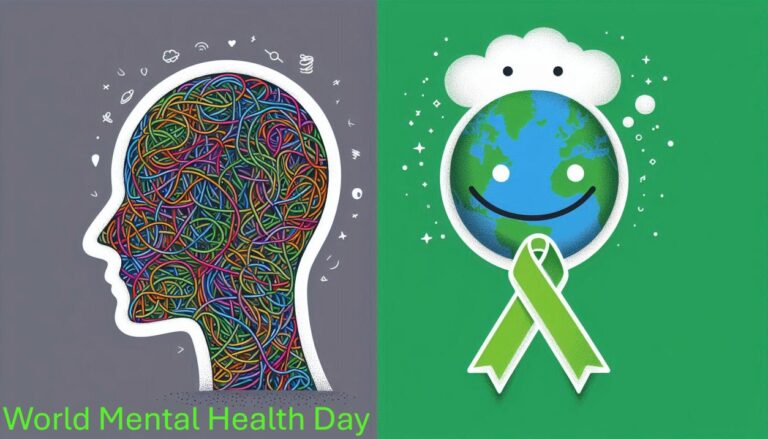
World Mental Health Day, observed on October 10, reminds us to reflect on mental well-being globally. The theme for 2024, “It is Time to Prioritize Mental Health in the Workplace,” underscores the critical role that workplace conditions, stress management, social inclusion, and empowerment play in mental health.

In every organization, leaders and employees alike can contribute to fostering a mentally healthy work environment. Here are some practical steps to enhance workplace mental health, not just on October 10, but every day.

Express Gratitude

A simple “thank you” can go a long way. Expressing gratitude to your colleagues builds stronger relationships and fosters a positive workplace atmosphere. This practice benefits not only the recipients but also those who express gratitude, enhancing overall well-being.

Practice Email Etiquette

Effective communication reduces misunderstandings and stress. When crafting emails, include a clear subject line, concise summary, and explicit deadlines. Consider labeling emails as “no reply necessary” or “not time sensitive” to help recipients prioritize. Direct specific requests to the appropriate people in the recipient line, minimizing unnecessary “reply all” responses.

Prioritize No-Meeting Days

Allocate two or three days each month as no-meeting days to allow employees uninterrupted work time. Also, establish meeting-less days where only essential meetings are scheduled. This practice helps manage workloads and reduces stress associated with constant meetings.

Engage in Mindfulness Activities

Incorporate mindfulness into your daily routine. Take breaks for deep breathing, meditation, or using mindfulness apps like Calm. These practices can help clear your mind, boost your mood, and improve your overall well-being during the workday.

Practice Job Crafting

Job crafting involves modifying aspects of your work to better suit your strengths and interests. Change the type, scope, or sequence of your tasks, connect with new colleagues, or view your responsibilities from a different perspective. This approach can make your work more engaging and fulfilling.

Be a Source of Social Support

Actively listen to your colleagues and offer emotional support. If you’re in a supervisory role, create a psychologically safe environment and model healthy mental health practices. Providing social support can significantly enhance the workplace atmosphere and employee well-being.

Additional Tips to Support Workplace Mental Health:

  • Encourage Regular Breaks: Taking regular short breaks can help in recharging and maintaining productivity throughout the day.

  • Promote Work-Life Balance: Ensure employees have the flexibility to balance their work and personal lives. Encourage activities and hobbies outside of work.

  • Provide Resources: Offer access to mental health resources such as counseling services, stress management workshops, and wellness programs.

  • Foster Open Communication: Create an environment where employees feel comfortable discussing their mental health without fear of stigma or retribution.

  • Recognize Efforts: Acknowledge and reward employees’ hard work and achievements, which can boost morale and motivation.

Ongoing Commitment

These practices are just a starting point. Prioritizing mental health in the workplace is an ongoing commitment that requires continuous effort and attention. By fostering a supportive environment, we can improve the quality of life for employees and contribute to a healthier, more productive workforce.

Remember, enhancing workplace mental health benefits everyone. Let’s make mental health a priority at work today and every day!

How to Enjoy Wellness Activities in Hong Kong

October serves as a vital health awareness month, dedicated to both breast cancer and mental health awareness. From restoring inner calm through yoga and sound baths to visiting a market that supports breast cancer charities, there are numerous ways to engage in these causes.

On World Mental Health Day, happening October 10th, the Hong Kong charity TNN invites everyone to a relaxing workshop that blends restful yoga with mindfulness. Additionally, a pink-themed market will be in full swing to promote breast cancer awareness. Cancer survivors and their loved ones can also participate in a therapeutic gong bath this weekend, along with other meditative sessions throughout the city.

1. World Mental Health Day Yoga with TNN Hong Kong

On Thursday, October 10, from 7:30 pm to 9 pm, join a peaceful workshop in observance of World Mental Health Day, hosted by TNN (The New Normal)—a Hong Kong-based charity providing mental health support. The event, led by Heinok Fan and Valerie Teh, takes place in a serene private rooftop garden. Participants will explore restful yoga, mindfulness, and breathwork exercises, aimed at enhancing self-care and mental wellbeing. The techniques taught can be incorporated into daily life to maintain mental health balance.

The session costs HK$265 (US$34), but is free for those facing financial difficulties. More details will be shared upon booking.

2. Circle of Hope: Red Doors Studio

On Saturday morning, from 9:30 am to 11 am, Red Doors Studio offers a complimentary sound therapy session specifically designed for cancer survivors and their families. This healing experience will utilize the power of sound and vibration—featuring singing bowls, tuning forks, laughter yoga, and essential oils—aimed at supporting emotional recovery. The session concludes with the soothing vibrations of gongs, providing a deeply rejuvenating experience.

While the event is free, donations are accepted. Seats are limited, so it’s advised to arrive early.

3. Restore & Nervous System Reset: Somatic Movement with Sound Bath

For a rejuvenating start to your weekend, join a Somatic Movement with Sound Bath at Evolve Wellness on Saturday, from 11 am to 12:15 pm. Led by wellness coach Winnie Kwong, the session begins with gentle movements designed to ease physical tension, followed by a calming sound bath to encourage restful sleep and mental clarity.

For HK$355, attendees also receive several perks, including a HK$500 Sweaty Betty voucher, a 50-minute infrared sauna session, a 30% off facial or massage voucher from Sense of Touch, and a can of Ruby’s Kombucha.

4. Yoga Fundamentals and Mini-Meditation

On Sunday morning, take part in a 75-minute Yoga and Meditation class, from 10 am to 11:15 am. Open to both beginners and seasoned yogis, the class led by Tiffany Wan focuses on fundamental yoga poses that enhance circulation and overall wellness. A brief meditation session will also be included, allowing participants to center themselves and reduce mental clutter.

5. The Arca – Super Pinket Marketplace

Celebrate Breast Cancer Awareness Month by visiting the Super Pinket Marketplace at The Arca Hotel this weekend. Running on Saturday and Sunday, from 11 am to 7 pm, this vibrant market will feature over 50 stalls showcasing unique arts, crafts, sportswear, and more.

The event will also offer live music and sharing sessions hosted by local celebrities, focused on breast cancer awareness. Guests can enjoy a special Pink Bubbles drink, with all proceeds benefiting the Hong Kong Breast Cancer Foundation. Additionally, DIY phone cord kits will be available for purchase at the Arca Handmade Corner, with proceeds going towards breast cancer research.


This October, don’t miss the opportunity to engage in these uplifting activities, whether for mental health, breast cancer awareness, or simply to unwind and restore your sense of wellbeing.

World Mental Health Day: A Call to Action for Self-Care

Burnout has become a critical issue in today’s fast-paced work environment. Emily, a finance manager, exemplifies this challenge. After months of working 60-hour weeks to meet stringent deadlines, Emily feels perpetually drained—both mentally and physically. Tasks she once found stimulating now seem insurmountable, and her patience with colleagues wears thin. Despite working longer hours, her productivity plummets. Eventually, she starts calling in sick frequently and contemplates leaving her job altogether, feeling utterly incapable of continuing. Emily’s experience highlights the growing problem of burnout in the workplace.

What is Burnout?

Burnout is a state of emotional, physical, and mental exhaustion caused by prolonged work stress. When work demands remain high over extended periods, without enough recovery or support, employees like Emily become vulnerable to burnout. This condition is marked by energy depletion, cynicism towards one’s job, and a noticeable decline in performance. Those affected by burnout often find themselves disengaged, unable to perform tasks at their usual level of competence or enthusiasm.

The Focus of World Mental Health Day 2024: Workplace Wellbeing

In 2024, World Mental Health Day aims to address the pressing issue of workplace mental health, emphasizing how employees can recognize when work is adversely affecting their wellbeing and take proactive steps to manage it. Understanding burnout, its causes, and solutions is critical for both individuals and organizations striving to create healthier work environments.

The Causes of Burnout: Prolonged Job Demands and Insufficient Resources

Burnout arises when job demands outweigh available resources for an extended period. Key contributors to burnout include:

  • Heavy workloads
  • Job insecurity
  • Role ambiguity
  • Internal conflicts
  • Unrelenting pressure

According to research by Mental Health UK, burnout is on the rise. A staggering 91% of adults surveyed reported experiencing extreme stress in the last year, with 20% taking time off due to poor mental health. This issue doesn’t just affect individuals—it also impacts businesses, leading to reduced productivity, increased absenteeism, and high employee turnover.

The Impact of Burnout on Health and Job Performance

Burnout can have severe health consequences, even for those experiencing mild cases. Left unchecked, burnout may lead to:

  • Work-related anxiety and depression
  • Increased risk of cardiovascular diseases
  • Type 2 diabetes
  • Insomnia
  • Chronic headaches
  • Increased mortality rates

The consequences don’t stop there. Burnout also results in diminished creativity and performance, making it a costly issue for organizations that fail to address it.

Recognizing the Symptoms of Burnout

Recognizing burnout early can be challenging. Symptoms vary but often include:

  • Persistent fatigue, even before starting the workday
  • Emotional exhaustion during work hours
  • Cynicism and detachment from tasks
  • Decreased job satisfaction
  • Self-doubt and feelings of incompetence

If you find yourself dreading work, feeling physically unwell at the thought of tasks, or emotionally depleted at the end of the day, you may be experiencing burnout. These warning signs indicate the need for immediate intervention.

Preventing Burnout: Balancing Job Demands with Resources

Preventing and recovering from burnout starts by addressing the imbalance between job demands and resources. Here are effective strategies to combat burnout:

  1. Reduce workload and job pressure – Cutting down excessive tasks and setting clear boundaries between work and personal time can help alleviate stress.
  2. Enhance job resources – Improving workplace conditions by increasing autonomy, providing social support, and fostering professional development can significantly reduce burnout risks.
  3. Promote work-life balance – Establishing clear boundaries between professional and personal life is essential. Employers should encourage time off and ensure employees have opportunities to relax and recharge.

The Role of Recovery in Burnout Prevention

One of the most vital elements in preventing burnout is recovery. Recovery doesn’t just mean taking time off; it involves engaging in activities that promote relaxation and mental detachment from work. Employees should be encouraged to participate in hobbies, physical exercise, and leisure activities that bring joy without competitive pressure. These moments of respite are critical for replenishing energy and maintaining mental resilience.

Job Crafting: A Powerful Tool for Preventing Burnout

Job crafting is an increasingly popular strategy in the fight against burnout. This approach involves making small, meaningful changes to both job demands and resources. Employees can take steps such as:

  • Minimizing emotionally or physically taxing tasks
  • Reducing their workload by focusing on high-priority items
  • Seeking more autonomy and control over their tasks
  • Engaging in professional development to boost confidence and skills

Over time, job crafting can lead to a significant reduction in burnout, as employees regain control over their work environment and find ways to make their roles more fulfilling.

The Organizational Role in Burnout Prevention

While individual efforts are essential, organizations also play a critical role in reducing burnout. Employers can implement various intervention strategies, such as:

  • Stress management training
  • Mindfulness programs
  • Policies that allow employees to disconnect from work after hours

These strategies not only improve employee wellbeing but also enhance overall productivity and job satisfaction.

Final Thoughts on Combating Burnout in 2024 and Beyond

As we move into 2024, it’s clear that burnout is an escalating issue that requires immediate attention. Both individuals and organizations must prioritize mental health in the workplace. By recognizing the signs of burnout, balancing job demands with adequate resources, and implementing recovery and job crafting strategies, we can foster healthier work environments and improve overall employee wellbeing.

If you or your organization are facing burnout challenges, taking proactive steps today can lead to a healthier, more productive tomorrow.

UofL Law Student Tackles Health Insurance Claim Denials dilemma

0

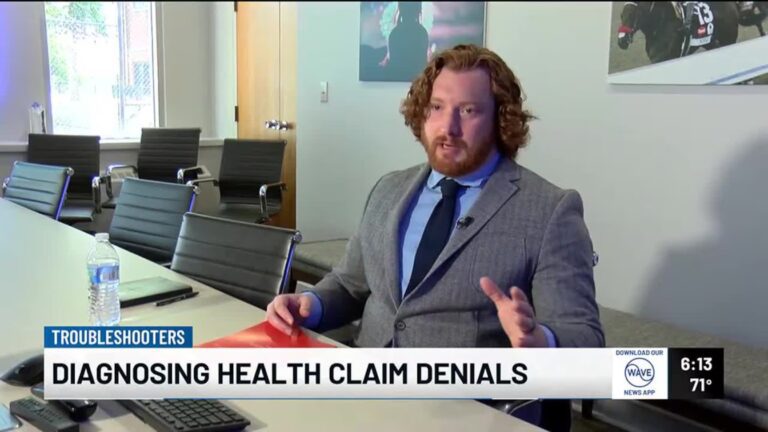
LOUISVILLE, Ky. (WAVE) — Have you ever faced the frustrating reality of needing a medical procedure or test only to have your health insurance deny it? This is a challenge that many, including myself, have encountered multiple times.

The Denial Letter Dilemma

The correspondence is all too familiar. One denial letter read, “After reviewing the information we have, we determined we cannot approve this request. We found the service requested is not medically necessary in your case.”

For those who have received such notifications, the wording strikes a chord. Frank Beifuss and his wife, grappling with a rare genetic disorder, faced similar hurdles.

“To me, it was unfathomable how much we had to battle with the insurance company to secure her coverage,” Beifuss expressed. “And many of these battles ended in defeat. A lost battle often meant she didn’t receive the vital care she needed.”

The Research That Sparked Change

Frustrated by the ongoing denials, Beifuss turned to research, which led to the creation of his paper titled “Illusory Remedies: Why Lacking Oversight and Penalties Leave Half the Country with Only a Shadow of Healthcare.” Recently peer-reviewed and published in the University of Louisville Law Review, this paper highlights significant flaws in the employer-sponsored healthcare system that affects over half of the U.S. population.

The Dark Truth About Claims Denials

Beifuss embarked on a quest to uncover how often insurance claims are denied. To his astonishment, he discovered a disturbing truth: there is no concrete data on the frequency of claims denials.

“What I found is that no one has a clear understanding of how often claims are denied, nor does anyone track these occurrences,” Beifuss stated. “Everyone assumes that someone else is responsible for monitoring it, but the reality is that no one is empowered to take action.”

Lack of Oversight and Its Consequences

Beifuss poignantly noted, “No entity tracks the prevalence of health plan claims denials.” This absence of oversight renders it impossible to ascertain how often wrongful claim denials happen. The only organization that monitors such denials is the Centers for Medicare and Medicaid Services (CMS), which denied over 18% of in-network claims.

“If we examine the Medicare/Medicaid data, less than 1% of those denied claims are appealed,” Beifuss pointed out. “Furthermore, about 70% of the appeals that do occur are typically approved. Insurers have created a system filled with obstacles, knowing that many people will simply abandon their claims.”

The Roadblocks to Justice

How many obstacles are there? In many states, you can appeal internally twice, and each appeal process can stretch on for months. Following that, if you still haven’t succeeded, you have the option for an external appeal, typically managed by a company hired by the insurance provider.

“If you go through all these steps, then you can claim you were wronged, and pursue legal action,” Beifuss explained. “However, very few attorneys are willing to handle these types of cases.”

The Dismal Reality

“So, you’re primarily out of luck?” I inquired.

“Mostly, yes,” Beifuss confirmed.

Your health may deteriorate during the lengthy waiting period. Even if you eventually succeed and attempt to sue, Beifuss found that you would likely recover zero dollars outside of the original denied care costs.

“Insurers of these group health plans are shielded from numerous penalties for misconduct,” Beifuss elaborated. “Cloaked in legislative protections, insurers can avoid fulfilling claims because the penalties for breaching their duties are less burdensome than actually meeting their obligations.”

“The only consequence for misappropriating funds in these scenarios is occasionally having to return what was taken,” Beifuss added.

The Unbalanced System

Beifuss discovered that even the doctors employed by insurers to determine medical necessity for claims are protected by consulting physician malpractice immunity.

“Your physician meets with you, assesses your health, and makes a recommendation based on years of experience,” Beifuss explained. “If that doctor makes critical errors or fails to meet the standard of care, they can face severe medical malpractice liability. Conversely, the doctors reviewing your insurance claims are not held to the same standards and are exempt from such liabilities.”

A Worsening Landscape for Healthcare Consumers

The situation for consumers is deteriorating. Beifuss observed, “After decades of litigation and legislation, the insurers’ standing has mostly improved.”

“The United States Supreme Court has consistently upheld the interests of insurers, often in near-unanimous decisions,” he noted.

A Hard-Won Victory

After years of navigating the healthcare denial landscape and learning to construct “sophisticated appeals,” Beifuss ultimately succeeded in getting his wife’s healthcare approvals.

“Most individuals are not equipped to navigate the complexities of healthcare,” Beifuss lamented. “They are confronted with a vast, intimidating network working against them. This scenario places ordinary individuals in a position where they cannot access the healthcare they need, forcing doctors to act as their own insurance law firms. It’s a bizarre and troubling state of affairs.”

How to Utilize Kettering Health Partnership Digital Support for Heart Failure Patients

Heart failure patients encounter a myriad of challenges, from managing daily care routines to the constant threat of hospitalization. To enhance the care journey for individuals grappling with heart failure, Kettering Health has forged a strategic alliance with Story Health, a pioneering digital health enterprise dedicated to revolutionizing specialty care delivery. For those Kettering Health patients who choose to participate, Story Health will partner with healthcare providers to deliver tailored virtual care, encompassing medication oversight, home-based heart health monitoring, and comprehensive support from clinical care teams, all aimed at minimizing readmission rates and expanding provider capacity.

Heart failure is a chronic condition that requires continuous management and support. Recognizing the need for innovative solutions, Kettering Health has partnered with Story Health to provide comprehensive digital support for heart failure patients. This partnership aims to improve patient outcomes through personalized, virtual care and robust support services. Here’s how you can make the most of this partnership:

1. Virtual, Personalized Care

One of the standout features of this partnership is the provision of virtual care tailored to individual patient needs. This includes:

  • Medication Management: Patients receive personalized medication plans and reminders to ensure adherence.
  • Home Heart Health Monitoring: With the help of digital tools, patients can monitor their heart health from the comfort of their homes. This includes tracking vital signs and symptoms, which are then reviewed by healthcare professionals.

2. Continuous Support from Clinical Care Teams

Patients have access to a dedicated clinical care team that provides continuous support and guidance. This team is available to answer questions, adjust treatment plans, and offer advice on managing heart failure symptoms. The goal is to ensure that patients never feel alone in their journey.

3. Specialized Heart Failure Clinics

Kettering Health’s heart failure clinics are designed to offer specialized care. These clinics provide:

  • Comprehensive Assessments: Detailed evaluations to understand the patient’s condition and needs.
  • Tailored Treatment Plans: Customized plans that address the unique challenges faced by each patient.
  • Regular Follow-ups: Scheduled check-ins to monitor progress and make necessary adjustments to the treatment plan.

4. Support Services

In addition to medical care, the partnership offers a range of support services aimed at improving the overall well-being of heart failure patients. These include:

  • Patient Education: One-on-one sessions to educate patients about heart failure, its management, and lifestyle changes that can help.
  • Lifestyle Tips: Advice on diet, exercise, and other lifestyle modifications to support heart health.
  • Cardiac Rehabilitation Programs: Structured programs to help patients recover and improve their heart function.
  • Community Health Events: Opportunities for patients to connect with others, share experiences, and learn from experts.

How It Works

A licensed and adept care team from Story Health will be readily accessible via text, phone, or video calls, providing proactive engagement to assist patients in managing their condition and securing the necessary care between medical appointments. Story Health coaches meticulously analyze daily health data submitted by Kettering Health patients, facilitating timely adjustments to medication regimens, offering education and symptom management strategies, and resolving any prescription-related challenges that may surface between visits. Furthermore, Kettering Health will automatically enroll patients in the Story Health program upon hospital discharge, fostering heightened engagement in post-discharge follow-up care.

“Heart failure care at Kettering Health merges expertise with state-of-the-art technology and specialized support to deliver an exceptional experience for our patients. Our collaboration with Story Health extends this care virtually, ensuring that patients receive assistance with daily monitoring and medication management between appointments. Ultimately, our goal is to diminish hospitalizations and enhance the quality of life for our heart failure patients,” remarked Jody Underwood, executive director of Population Health at Kettering Health.

Improved Quality of Life

Story Health integrates advanced technology with a specialized care team to elevate the health and overall quality of life for those living with cardiovascular challenges. This innovative care model has produced remarkable health outcomes and achieved high levels of patient engagement, particularly among underserved demographics.

“Our partnership with Kettering Health guarantees that heart failure patients remain actively engaged in their care, allowing for the delivery of superior quality healthcare. We assist the health system in lowering readmission rates while simultaneously increasing the patient population they can accommodate,” stated Tom Stanis, co-founder and CEO of Story Health. “From day one after discharge, our seasoned care team fosters enhanced engagement, ensuring that patients adhere to their care plans.”

Reducing readmission rates stands as a critical priority for healthcare systems, and tackling barriers post-discharge can significantly mitigate the risk of complications through timely detection and management. Story Health is committed to assisting Kettering Health in addressing these challenges by connecting with patients in compassionate and meaningful ways, collaborating closely to meet their individual needs.

Conclusion

The Kettering Health and Story Health partnership represents a significant advancement in the care of heart failure patients. By leveraging digital tools and providing continuous, personalized support, this partnership aims to enhance patient outcomes and quality of life. If you or a loved one is managing heart failure, consider exploring the resources and support offered through this innovative collaboration.

Wake Forest Hosts Mental Wellness Fair: Explore the 8 Dimensions of Wellness

This Saturday, the Town of Wake Forest is excited to host the Second Annual Wake Forest Mental Wellness Fair, an engaging event designed to promote mental health awareness and support.

Event Details

Date: September 28
Time: 1 p.m. – 4 p.m.
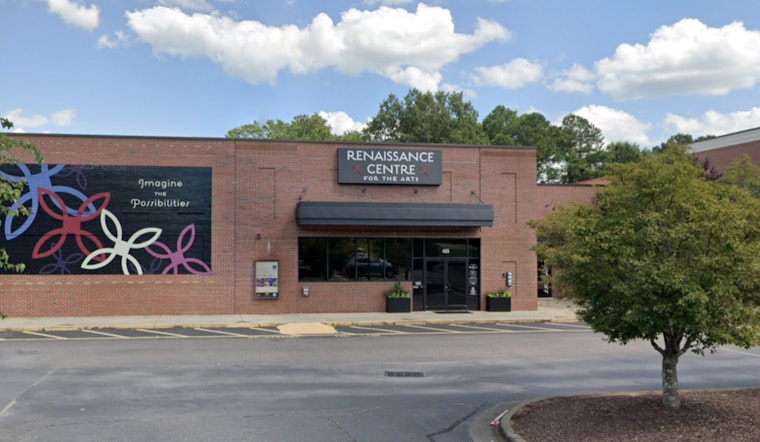
Location: Renaissance Centre, 405 S. Brooks St.

Organized by Commissioner Nick Sliwinski, this fair aims to shed light on the critical topic of mental health, offering resources for those who are facing mental health challenges. The event emphasizes community support and education, ensuring that everyone can find valuable information tailored to their needs.

Activities for All Ages

As noted by WakeForestNC.gov, the fair will feature a myriad of activities suitable for various age groups, making it a family-friendly occasion. Children and teens will have access to activities tailored just for them, while adults and seniors will discover resources that could help themselves or loved ones coping with untreated or poorly managed mental health issues.

Expressive Arts and Wellness Workshops

In a bid to promote inclusivity, the fair will host an Intergenerational Expressive Arts breakout session, allowing participants of all ages to express their thoughts and feelings creatively. Attendees can also engage in workshops and performances that tackle significant topics such as grief and wellness, providing a holistic approach to mental health.

Keynote Presentation on Wellness

The fair will feature a keynote presentation focusing on the “8 Dimensions of Wellness,” offering attendees a comprehensive understanding of mental health from various perspectives. This multifaceted approach is crucial for fostering overall well-being.

Interactive Experiences

Attendees can also participate in an enlightening dance presentation themed around coping with grief and join in on drumming sessions that are welcoming to all levels of experience. These interactive elements encourage community participation and provide tools for emotional expression and healing.

Access to Vital Resources

To further enrich the fair, a diverse array of vendor advocates from local organizations, agencies, and nonprofits will be present to share essential resources and information. Topics covered will range from depression and suicide prevention to specialized services for veterans and strategies for managing holiday grief.

Complimentary Food and Free Entry

The Town of Wake Forest, in collaboration with the Wake Forest Fire Department, will provide free food at the Renaissance Centre parking lot, available while supplies last. This initiative underscores the fair’s commitment to community well-being and engagement.

The Mental Wellness Fair is completely free of charge and encourages not only individuals seeking support but also those wishing to help friends or family members in need. While walk-ins are welcome, attendees are encouraged to preregister for the event by completing the online signup form provided through the town’s news release.

How to Get Involved

For additional details about the fair, interested parties can reach out to Community Outreach Manager Andrew Brown, Jr. via email at abrown@wakeforestnc.gov.

Conclusion

Don’t miss out on this valuable opportunity to connect with community resources, engage in enriching activities, and foster a supportive environment focused on mental wellness. The Second Annual Wake Forest Mental Wellness Fair promises to be a day of learning, connection, and healing for everyone involved. Join us and help make a difference in our community!

How to Get the Most Out of Your Fitness and Water Workouts during monsoon

The monsoon season brings a refreshing change in weather, but it also poses unique challenges for maintaining a healthy lifestyle. From dietary adjustments to fitness routines and water-based workouts, here’s your ultimate guide to staying fit and well during the rainy season.

Boost Your Immunity with the Right Foods

  1. Nutrient-Rich Diet: Incorporate a variety of fresh fruits and vegetables into your diet to boost your immune system. Foods rich in vitamins C and E, such as citrus fruits, berries, and nuts, are particularly beneficial.
  2. Stay Hydrated: Even though the weather is cooler, it’s essential to stay hydrated. Drink plenty of water, herbal teas, and soups. Adding slices of lemon, cucumber, or mint to your water can make it more enjoyable.
  3. Avoid Junk Food: The temptation to indulge in fried snacks and sweets is high during the monsoon. Opt for healthier alternatives like roasted nuts, seeds, and homemade snacks to keep your energy levels up without the extra calories.

Indoor Fitness Routines to Keep You Active

  1. Yoga and Stretching: Yoga is an excellent indoor exercise that helps improve flexibility, strength, and mental well-being. Incorporate poses that enhance your respiratory health, such as the Cobra Pose and Bridge Pose.
  2. Bodyweight Exercises: Utilize your body weight for effective workouts at home. Exercises like squats, lunges, push-ups, and planks can be done without any equipment and are great for building strength.
  3. Cardio Workouts: High-Intensity Interval Training (HIIT) and dance workouts are fantastic for getting your heart rate up and burning calories. These can be done in a small space and require minimal equipment.

Embrace Water Workouts for a Refreshing Change

  1. Swimming: If you have access to an indoor pool, swimming is a perfect full-body workout that is gentle on the joints. It’s also a great way to stay cool and active during the monsoon.
  2. Aqua Aerobics: This low-impact, high-energy workout is ideal for improving cardiovascular health and muscle strength. Aqua aerobics classes are often available at local gyms or community centers.
  3. Hydrotherapy: Engage in water-based exercises that focus on muscle relaxation and recovery. Hydrotherapy can help alleviate muscle soreness and improve overall flexibility.

Holistic Wellness: Why Is Miranda Kerr Talking to Kora Organics?

Mindfulness plays a pivotal role in managing daily stress, especially when juggling the demands of running a business and raising four boys. Miranda Kerr, who hardly needs an introduction, embodies this balance beautifully. Best known for her groundbreaking achievements in the fashion industry, Kerr made history in 2007 as the first Australian Victoria’s Secret Angel. She joined an elite group of supermodels, including Alessandra Ambrosio, Adriana Lima, and Heidi Klum, to represent the brand.

From Supermodel to Beauty Entrepreneur

While her modeling career soared in the early 2000s, Kerr’s vision expanded beyond the runway. In 2009, she founded her beauty brand, KORA Organics, becoming one of the pioneers in the celebrity beauty industry.

Inspiration Behind KORA Organics

Kerr’s journey into organic skincare was deeply personal. “My mom’s diagnosis with cancerous tumors in her spleen was a turning point for our family. We began researching everyday products, from cleaners to skincare, and discovered they contained harmful chemicals. It was shocking to learn how many of these ingredients were potentially carcinogenic, yet widely available,” she recalls. This experience ignited Kerr’s passion for holistic wellness and the importance of organic products.

“I started to prioritize caring for the body holistically,” she explains. “Certified organic products became a necessity because they ensure purity. I wanted to create a skincare brand that offered effective, 100% certified organic solutions—something I felt was missing in the market.”

Building KORA Organics from the Ground Up

Kerr invested her modeling earnings into extensive research and product development, consulting with chemists to bring her vision to life. “From day one, I was committed to creating powerful, clinically active, and healthy products certified by Cosmos, a global standard for organic products. This certification ensures our products meet the highest sustainability practices,” she says.

A Commitment to Sustainability

Kerr is transparent about KORA Organics’ rigorous certification process. “Every element, from ingredients to manufacturing and packaging, must be reviewed and approved by Cosmos. This guarantees that our customers can trust the authenticity of what they’re using,” she elaborates.

In addition to being effective, KORA Organics products are designed with sustainability in mind. “Using certified organic ingredients means the farming practices involved are more sustainable—reducing pollution, preventing soil erosion, and requiring less energy,” Kerr explains. “It’s not just about creating high-quality skincare but also supporting the environment.”

Continual Learning and Expanding Knowledge

Kerr’s dedication to health and wellness goes beyond skincare. In 2010, she earned her certification as a health coach from the Institute for Integrative Nutrition. “I’m always striving to learn more. Recently, I completed an online health and nutrition course through Stanford University. It’s a continuous journey, and I’m learning every day through my work with KORA Organics,” she shares.

Juggling Multiple Roles with Determination

As a model, entrepreneur, health coach, and mother of four, Kerr handles her roles with grace and determination. She credits her ability to balance these responsibilities to a simple yet profound piece of advice: “Always give 100%, or don’t do it at all. Whether it’s making business decisions or spending time with my family, I give my all,” she says.

Family: The Top Priority

Despite her many roles, Kerr places family first. “My family is my number one priority. I’m fortunate to have an incredible team who supports that,” she says. Kerr enjoys spending quality time with her children through simple activities like picnics, baking, walks, and arts and crafts.

The Role of Mindfulness in Daily Life

Mindfulness is integral to Kerr’s self-care routine. “It’s how I manage the stress that comes with running a business and raising four boys,” she reveals. Kerr starts each day early with meditation and exercise, which gives her the energy to tackle her busy schedule. “I’ve been practicing meditation for over 20 years. My 20-minute morning meditation sets the tone for a positive day,” she says.

Evening Wind-Down Rituals

Kerr also has a nightly wind-down routine to help her relax. “After a long day, I have specific rituals that help me unwind and prepare for the next day,” she adds.

The Evolution of Her Skincare Routine

Pregnancy and postpartum experiences have significantly influenced Kerr’s skincare regimen. “I struggled with pigmentation during my pregnancies, which led me to use our Noni Bright Vitamin C Serum religiously. It has 12% Vitamin C, along with Kakadu plum, acerola cherry, and orange peel, which help brighten and even out my skin tone,” she explains.

Her routine also includes the Noni Glow Body Oil and Nourishing Hand and Body Lotion. “I use the lotion followed by the oil every morning and night. They’ve been essential in preventing stretch marks and keeping my skin healthy through pregnancy and postpartum,” she notes.

What’s Next for KORA Organics?

Exciting new developments are on the horizon for KORA Organics. Kerr teases two upcoming launches for later this year, saying, “I know our Singapore-based customers will love these products. I can’t wait to share more soon.”

Through her commitment to holistic wellness, family, and sustainability, Miranda Kerr continues to inspire others. Her journey from supermodel to successful entrepreneur is a testament to the power of mindfulness, hard work, and the pursuit of health and balance.

How a wellness MLM brand sparked the ‘parasite’ detox trend

Fitting in a murky bath on a quiet Tuesday evening, Jessica Harwood feels a mix of discomfort and determination. “It’s strange to sit here with parasites seemingly floating around me, but I know my body needs this.” She says, documenting her experience with Black Oxygen Organics.

The 43-year-old yoga teacher and energy healer from New Hampshire uses a product that recently captivated the wellness world. A powder derived from fulvic acid, believed to offer detoxifying powers.

The water in her tub is thick, opaque, with only her bathroom ceiling reflected in the surface. Small white flecks float by, catching Harwood’s eye. “I’m disgusted and overwhelmed,” she admits. “The only way to get rid of these is through the skin, our largest organ.” Friends who vouched for its purported benefits drew Harwood, like many others, to Black Oxygen Organics (BOO).

Black Oxygen Organics: The Dirt Boom in Wellness

Black Oxygen Organics emerged as a new player in the booming detox and wellness industry. Positioning itself as a revolutionary multi-level marketing (MLM) company offering fulvic acid-based products. People claimed that these organic compounds, found in soil, have miraculous health benefits. BOO’s product range included powders, tablets, and coffee pods. It catered to health enthusiasts and detox seekers.

By mid-2021, BOO had over 20,000 active brand partners. Many of them were young women selling “miracle dirt” online. They showed numerous product uses, like smoothies and face masks. They claimed it cured parasites, chronic pain, and other ailments. Testimonials flooded in, and Black Oxygen Organics quickly became a viral sensation.

Multi-Level Marketing in the Digital Age

The rise of social media has supercharged the growth of MLMs, once typified by friendly neighborhood Tupperware parties. Now, platforms like Facebook, Instagram, and TikTok have become the new battlegrounds for selling wellness products, natural remedies, and dietary supplements. Yet, with this explosive growth came skepticism. Critics of MLMs have long argued that the business model preys on stay-at-home parents, individuals in financial distress, and those seeking alternative health solutions.

Black Oxygen Organics tapped into this trend, leveraging both wellness culture and the MLM structure to grow rapidly. The company attracted sellers by promising minimal upfront investment—around $110 to join as a brand partner—and the allure of passive income through product sales and recruitment of others into the scheme.

Questionable Science and Detox Culture

At the heart of BOO’s meteoric rise was its core product: fulvic acid. Derived from organic material in soil, fulvic acid has been touted for its detoxifying abilities. In the case of BOO, the product was marketed as a panacea for gut health, immune system support, pain relief, and even parasite elimination.

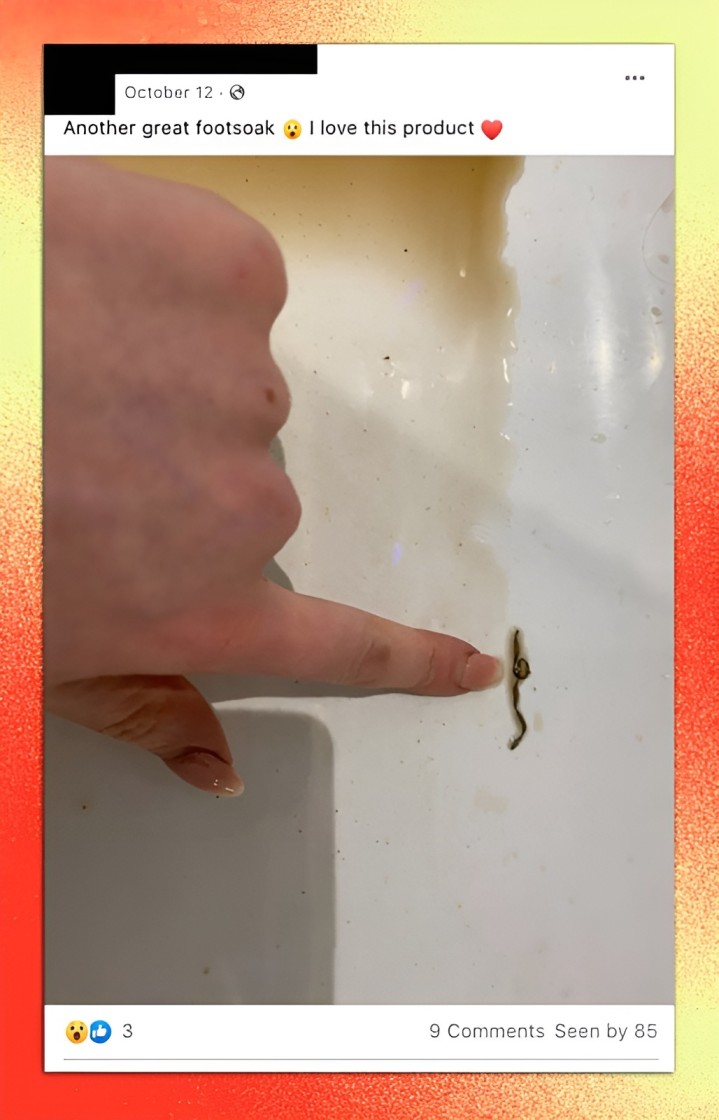
Harwood’s experience, like many others, was shaped by an almost obsessive belief in the body’s need to expel toxins and parasites. Users, influenced by the brand’s promises, began to share graphic posts on social media of what they believed were parasites being flushed from their bodies—mucous-covered specks, brown globs, and more. Each post seemed to fuel a larger narrative: BOO’s product was effectively detoxifying the body, purging dangerous parasites.

But for medical experts, these claims were nothing short of pseudoscience. “Those are NOT parasites,” stated John David, a public health professor at Harvard. He dismissed the claims as delusions of people misled by fear and misinformation.

The Dark Side of Black Oxygen Organics

As BOO’s popularity grew, so did the backlash. Wellness advocates, doctors, and anti-MLM activists began to expose the company’s questionable practices. Many warned that the product could be harmful rather than helpful, pointing out the lack of credible scientific evidence backing the health claims made by BOO.

The first major blow came in the form of a class-action lawsuit in November 2021, where former customers alleged that BOO’s products contained unsafe levels of toxic heavy metals, far from the health benefits they were sold on. This lawsuit, alongside a wave of formal complaints to the FTC and FDA, painted a grim picture of Black Oxygen Organics’ future.

Unmasking the MLM Deception

The fall of Black Oxygen Organics was swift and dramatic. Just two days before Thanksgiving, the company abruptly announced its closure, citing “recent events.” For brand partners, many of whom had invested their time, money, and energy into selling BOO’s products, it was a shock.

MLMs have crashed before under the weight of legal and ethical scrutiny. Companies like LuLaRoe targeted stay-at-home moms with promises of financial independence. Authorities have faced similar allegations that MLMs disguise pyramid schemes as legitimate businesses.

The toxic culture within MLMs often pushes individuals to pursue increasingly desperate tactics to make sales, leading to a breakdown of trust between sellers, customers, and the company itself.

For Black Oxygen Organics, the writing was on the wall. Activists like Roberta Blevins and Ceara Manchester, who had witnessed firsthand the devastating effects of MLMs, organized online watchdog groups to expose BOO’s dangerous practices. By late summer 2021, their efforts had prompted a Health Canada recall of BOO products due to labeling violations and concerns about fulvic acid’s safety.

The Final Chapter: Lessons from Black Oxygen Organics’ Collapse

Despite its rapid ascent and viral presence, Black Oxygen Organics crumbled under the weight of legal challenges, regulatory scrutiny, and widespread customer dissatisfaction. As of December 2021, the company had ceased operations, leaving brand partners scrambling for answers and unpaid bonuses.

BOO’s story warns about the dangers of detox culture failures. Quick fixes and MLM schemes drove people to misguided choices. Health miracle promises proved to be false, offering no benefits. The exploitative business model relied on pseudoscience and deception.

Moving Forward: Be Wary of Wellness Trends and MLMs

For anyone navigating the world of wellness products and dietary supplements, Black Oxygen Organics’ collapse offers valuable lessons. Always research the scientific backing of any product before use, and be cautious of companies that rely heavily on testimonials and social media influencers to sell their products. Detox culture and the MLM world often intersect in ways that prioritize profit over people’s health and wellbeing.

As for the future, one thing is clear: we must approach the wellness industry with a discerning eye, despite its benefits, especially when companies like Black Oxygen Organics rise on shaky foundations.

How to Prepare for Mental Health Awareness Month

October, designated as Mental Health Awareness Month, provides an opportunity to shed light on the experiences of individuals living with mental illness. This year, we delve into the personal narratives of those who have bravely confronted schizophrenia, bipolar disorder, depression, and post-traumatic stress disorder (PTSD).

Mental Health Awareness Month, observed every May, is a time to raise awareness about mental health issues, reduce stigma, and promote mental well-being. Whether you’re an individual looking to make a difference or an organization planning to engage your community, here are some effective ways to prepare and make the most of this important month.

1. Educate Yourself and Others

Understanding mental health is the first step towards making a positive impact. Take the time to learn about different mental health conditions, their symptoms, and available treatments. Share this knowledge with your friends, family, and community. Education helps to dispel myths and reduce the stigma associated with mental health issues.

2. Utilize Available Toolkits

Many organizations, such as the Substance Abuse and Mental Health Services Administration (SAMHSA) and Mental Health America, offer comprehensive toolkits for Mental Health Awareness Month. These toolkits include social media content, promotional materials, and guidelines for hosting events. Using these resources can help you effectively spread awareness and engage your audience.

3. Organize Events and Activities

Hosting events is a great way to bring people together and foster open discussions about mental health. Consider organizing workshops, webinars, or community gatherings focused on mental health topics. These events can provide valuable information, resources, and support networks for those in need.

4. Promote Self-Care

Encouraging self-care is crucial for mental well-being. Share tips and resources on practices like meditation, exercise, and hobbies that promote relaxation and happiness. Highlight the importance of taking time for oneself and maintaining a healthy work-life balance.

5. Support Mental Health Organizations

Consider donating to or volunteering with organizations that provide mental health services. Your support can help these organizations continue their vital work. Additionally, promoting these organizations within your community can increase awareness and access to mental health resources.

6. Check-In on Loved Ones

Use Mental Health Awareness Month as a reminder to check in on your friends and family. A simple conversation can make a significant difference. Let them know you care and are there to support them. Sometimes, just knowing someone is willing to listen can be incredibly comforting.

Living with Schizophrenia

A psychiatric nurse practitioner shares her journey of living with schizophrenia. She candidly discusses the challenges and rewards of navigating this neurodivergent condition, particularly within her chosen profession. Schizophrenia, characterized by hallucinations, delusions, and cognitive difficulties, can significantly impact daily life.

Bipolar Disorder: A Personal Account

An anonymous individual recounts their experience with bipolar disorder, a condition marked by alternating periods of mania and depression. Their story highlights the challenges of obtaining an accurate diagnosis and the importance of medication adherence. Despite the difficulties, they express a determination to reclaim their life.

Witnessing Depression: A Catalyst for Change

A young woman’s experience with depression, triggered by witnessing bullying, led her to create a support group called Radiant Vibe. Their mission is to combat negativity and promote mental health awareness through empowering messages and merchandise. They also actively support the Anxiety and Depression Association of America.

Overcoming PTSD Through Running

A man shares his journey of overcoming post-traumatic stress disorder (PTSD) following the loss of his father. He found solace and healing in running, a hobby he shared with his father. The story emphasizes the importance of seeking support and finding healthy coping mechanisms.

NAMI: A Beacon of Hope

The National Alliance on Mental Illness (NAMI) is a valuable resource for individuals living with mental health issues and their loved ones. This grassroots organization offers a range of support services, including podcasts, webinars, crisis hotlines, and educational materials.

By sharing these personal stories, we aim to foster understanding, reduce stigma, and encourage individuals to seek help and support. Remember, you are not alone in your journey. There are resources available to help you navigate the challenges of mental illness and find hope for a brighter future.

Conclusion

Mental Health Awareness Month is an opportunity to make a meaningful impact on the lives of those affected by mental health issues. By educating yourself and others, utilizing available resources, organizing events, promoting self-care, supporting mental health organizations, and checking in on loved ones, you can help create a more supportive and informed community. Let’s work together to break the stigma and promote mental well-being for all.