Home Blog Page 30

India Basks in Sunlight, So Why Are We Still Vitamin D Deficient? Common Mistakes You’re Making!

0
India Basks in Sunlight, So Why Are We Still Vitamin D Deficient? Common Mistakes You’re Making!

Vitamin D deficiency is rampant in India despite abundant sunlight, affecting bone health, immunity, and overall well-being. It’s surprising that in a country blessed with ample sunlight, so many people suffer from this deficiency. The causes are multifaceted, ranging from lifestyle habits to environmental factors. Vitamin D is vital for the body, helping in the development of strong bones, a resilient immune system, and promoting mental health. So, why are we still facing such high deficiency rates? Let’s dive into the details.

The Importance of Vitamin D and Sunlight

Sunlight is the most natural and efficient source of vitamin D. When UVB rays interact with the skin, they trigger the body to produce vitamin D. This nutrient is essential for regulating calcium and phosphorus in the body, which are crucial for healthy bones and teeth. But that’s not all – exposure to sunlight also boosts mental health by stimulating the release of serotonin, a hormone that regulates mood, reduces depression, and enhances overall well-being. Additionally, sunlight plays a key role in regulating our internal biological clock, leading to improved sleep patterns.

Despite these benefits, many people in India, even with abundant sunlight, are still not getting enough of this vital nutrient. A study from South India conducted in May 2024 highlighted the alarming prevalence of vitamin D deficiency in urban populations. The deficiency rate in adults was significant, with many people suffering from inadequate vitamin D levels. Similar studies from northern India also reported shocking figures, with 91.2% of adults over the age of 50 being vitamin D deficient.

Common Causes of Vitamin D Deficiency in India

1. Lack of Sun Exposure
Even in a sun-rich country, people spend too little time outdoors. The rise of urbanization, coupled with indoor lifestyles, means many people are confined to their homes, offices, or schools for most of the day. Even when people step outside, they tend to do so during early mornings or late evenings when UVB rays, crucial for vitamin D production, are at their weakest.

2. Darker Skin Tone
Darker skin, prevalent among the Indian population, contains more melanin, which provides protection against harmful UV rays. While this is beneficial in protecting the skin from sun damage, it also means that people with darker skin need to spend significantly more time in the sun to produce the same amount of vitamin D as those with lighter skin.

3. Dietary Habits
The traditional Indian diet lacks significant amounts of vitamin D-rich foods. While sources like fatty fish, egg yolks, and fortified foods are high in vitamin D, they are often consumed in small quantities or are not part of the daily diet for many. Moreover, vegetarianism is common in India due to cultural and religious reasons, which further limits dietary intake of vitamin D.

4. Air Pollution
Air pollution, especially in urban areas, acts as a barrier, blocking UVB rays and reducing the amount of sunlight that reaches the ground. The high levels of particulate matter in the air make it harder for people to get sufficient vitamin D from sunlight.

Common Mistakes to Avoid for Better Vitamin D Absorption

1. Underestimating the Role of Sunlight
Many people fail to realize how important direct sunlight is for vitamin D synthesis. Spending time outdoors during the midday hours, especially between 10 AM and 3 PM, is essential. However, excessive use of sunscreen or staying in the shade can block the UVB rays that are necessary for vitamin D production. The key is to balance sun exposure – exposing your skin to sunlight for 10-30 minutes several times a week depending on your skin tone and geographical location.

2. Inadequate Sun Exposure
Some individuals stay indoors during peak sunlight hours, or only expose small areas of their skin to the sun. For effective vitamin D synthesis, a larger portion of the body needs to be exposed to sunlight, such as the arms and legs. Maximizing skin exposure during optimal sunlight hours is crucial for achieving sufficient vitamin D production.

3. Neglecting Vitamin D Supplements
For those with limited sun exposure, such as urban dwellers or the elderly, vitamin D supplementation can help maintain optimal levels. However, many people overlook this simple remedy. Over-the-counter supplements should be taken with caution to avoid overdose, and it’s best to consult a healthcare provider before starting supplementation.

How to Maximize Vitamin D Absorption from Sunlight

1. Aim for 10-30 Minutes of Sun Exposure
The ideal time for sun exposure is during midday, when UVB rays are at their peak. Expose larger skin areas, like the arms and legs, for 10-30 minutes each day. After sufficient exposure, apply sunscreen to protect your skin from potential damage.

2. Choose Sun-Friendly Clothing
During outdoor activities, wear lighter, breathable clothing to maximize skin exposure. Avoid wearing thick fabrics or clothes that cover too much skin.

3. Incorporate Vitamin D-Rich Foods into Your Diet
Incorporate fortified milk, cereals, mushrooms, egg yolks, and fatty fish into your meals. For vegetarians, plant-based fortified alternatives such as fortified plant milk and cereals can help bridge the gap in vitamin D intake.

4. Monitor Air Quality
Check the air quality in your area, as pollution can reduce the amount of UVB rays that reach the ground. If you live in a polluted area, consider taking supplements to compensate for the lack of sunlight.

5. Get Regular Vitamin D Checkups
If you belong to a high-risk group, such as the elderly, those with darker skin, or residents of polluted cities, it’s important to monitor your vitamin D levels regularly. Periodic testing can help ensure that you’re maintaining optimal levels of this vital nutrient.

Conclusion

Vitamin D plays a crucial role in maintaining bone health, boosting immunity, and regulating mental well-being. Despite India’s abundant sunlight, many people suffer from vitamin D deficiency due to factors like indoor lifestyles, darker skin, poor dietary habits, and air pollution. By understanding the importance of sunlight, making dietary adjustments, and using supplements when necessary, we can combat this deficiency and promote better health. Ensuring sufficient sun exposure, especially during peak hours, and being mindful of dietary intake are vital steps toward achieving optimal vitamin D levels.

FAQs

1. Why is vitamin D deficiency so common in India?
Despite abundant sunlight, indoor lifestyles, darker skin, and poor dietary habits contribute to widespread vitamin D deficiency.

2. How much sun exposure is needed for adequate vitamin D production?
Aim for 10-30 minutes of sun exposure daily, preferably during midday when UVB rays are at their strongest.

3. What are the best dietary sources of vitamin D?
Fatty fish, egg yolks, fortified milk, and cereals are excellent sources of vitamin D. Vegetarians can opt for fortified plant-based alternatives.

4. How can air pollution affect vitamin D levels?
Air pollution blocks UVB rays, making it harder for people in polluted areas to get enough vitamin D from sunlight.

5. Should I take vitamin D supplements?
If you have limited sun exposure or belong to a high-risk group, supplements can help maintain optimal vitamin D levels. Always consult a healthcare provider before starting supplements.


Feeling Cold? Experts Reveal It Could Signal Serious Hidden Health Problems!

0
Feeling Cold? Experts Reveal It Could Signal Serious Hidden Health Problems!

You know that feeling when you’re bundled up in layers, but the chill just won’t leave your bones? That’s been me lately. I mean, sure, it’s winter, and we’re all freezing, but this was different—like someone turned my body’s thermostat way down and forgot the password to adjust it. Spoiler alert: It wasn’t the weather.

Let me back up. I’m not one to Google every little sniffle (okay, maybe sometimes), but after weeks of feeling like an icicle no matter what I wore, I started to wonder if my body was trying to tell me something. So, I dug in—both online and in conversations with people way smarter than me. And what I found? Pretty eye-opening stuff.

It’s Not Just Winter Blues—It’s Health Clues

At first, I thought maybe I was just being dramatic. I mean, everyone complains about the cold this time of year, right? But this was next-level. My fingers were perpetually frozen, my toes were like little blocks of ice, and no amount of tea or fuzzy socks was cutting it. Then I stumbled across some info from a health expert (thanks, internet!) that suggested feeling cold all the time could be a sign of something bigger.

Anaemia, for example. Apparently, when your red blood cells don’t have enough iron to carry oxygen properly, your body starts to feel the effects—cold hands and feet, dizziness, fatigue. Basically, my life in a nutshell. The idea that my body might not be getting enough oxygen-rich blood? Yikes.

Then there’s type 2 diabetes. I know, I know—diabetes doesn’t scream “cold symptoms,” but here’s the kicker: it can cause nerve damage, especially in your extremities, making you feel like you’re living in Antarctica even if it’s mild outside. Plus, diabetes comes with other telltale signs like constant thirst, frequent bathroom breaks, and unexplained weight loss. (None of those for me, thankfully, but still—good to know!)

Oh, and don’t get me started on hypothyroidism. If your thyroid isn’t pulling its weight, your metabolism slows down, which can tank your body temperature. And let me tell you, I could practically hear my thyroid snoozing on the job.

The Moment It Clicked

It wasn’t until I read about hypothyroidism’s other symptoms—like constipation (fun times), depression, and muscle aches—that I started connecting the dots. I mean, I’d brushed off some of these signs as “just stress” or “getting older,” but together? They painted a picture that even I couldn’t ignore.

One night, wrapped in what felt like half my closet and still shivering, I decided to stop guessing and do something about it. Enter: a thyroid hormone test kit. (Shoutout to Superdrug for making it easy to check your levels at home without awkward doctor visits!)

The Test, the Wait, and the Wake-Up Call

Let me tell you, doing an at-home health test is a whole vibe. On one hand, it’s empowering—like, “Look at me, taking charge of my health!” But on the other hand, there’s that little voice in the back of your head going, “What if this confirms your worst fears?”

Spoiler: My results weren’t catastrophic, but they weren’t exactly stellar, either. Turns out, my thyroid was underachieving. Not enough to throw me into a full-blown crisis, but enough to explain why I’d been feeling like a human popsicle.

Lessons Learned (and Shared)

Looking back, I wish I’d paid more attention to my body sooner. It’s so easy to brush off weird symptoms as “just life” or “no big deal.” But here’s the thing: your body is way smarter than you think. If something feels off, there’s probably a reason.

For me, the fix wasn’t some grand overhaul—just a few lifestyle tweaks, a supplement or two, and regular check-ins with my GP. Oh, and staying warm, obviously. Pro tip: heated blankets are a gift from the gods.

Final Thoughts: Listen to Your Body, Always

If you’re reading this while shivering under five blankets and thinking, “Wow, same,” do yourself a favor and dig a little deeper. Whether it’s anaemia, diabetes, hypothyroidism, or something else entirely, your body doesn’t throw out random signals for fun.

And if nothing else, at least you’ll have an excuse to treat yourself to a new cozy sweater.

Shocking WHO Announcement: Mpox Still a Global Public Health Emergency in 2024!

0
Shocking WHO Announcement: Mpox Still a Global Public Health Emergency in 2024!

Mpox continues to escalate as a global public health emergency, according to the World Health Organization (WHO). On November 22, 2024, WHO reaffirmed this designation, which was initially declared in August after a new, more virulent strain of the virus began spreading rapidly. The outbreak originated in the Democratic Republic of Congo and has since affected neighboring regions.

This year, Africa has reported over 46,000 suspected mpox cases, resulting in more than 1,000 suspected deaths. The severity of the outbreak underscores the virus’s alarming ability to spread and its potentially lethal impact, particularly in vulnerable populations.

Understanding Mpox and Its Risks

Mpox is a viral infection transmitted through close physical contact. It typically causes flu-like symptoms accompanied by pus-filled lesions. While the disease is generally mild, it can be fatal, especially in immunocompromised individuals and children. The current strain, identified in eastern Congo earlier this year, has proven more infectious and deadlier than previous variants.

The WHO’s designation of mpox as a “public health emergency of international concern” reflects the grave threat posed by the virus. This is the same level of alert used during the global mpox outbreak in 2022-2023.

Key Developments

Canada Reports First Case of Clade I Mpox

Canada confirmed its first case of clade I mpox in Manitoba on November 22, 2024. The Public Health Agency of Canada revealed that the individual had recently traveled to a region affected by the ongoing outbreak in central and eastern Africa. The patient, who developed symptoms upon returning to Canada, is currently in isolation and receiving medical care.

This marks a significant development as clade I mpox cases, previously confined to Africa, are now appearing in other parts of the world.

Vaccine Approval for Children

In a critical move to curb the spread among vulnerable populations, WHO has approved the first mpox vaccine for children. Developed by Japanese company KM Biologics, the vaccine is now authorized for children over one year old as a single-dose immunization.

Children represent one of the hardest-hit demographics during the outbreak. A recent report by Save the Children revealed a staggering 130% increase in cases among individuals under 18 in Congo, with more than 25,000 suspected cases recorded. Alarmingly, children are nearly four times more likely to succumb to the virus compared to adults.

To date, WHO had only approved the Bavarian Nordic mpox vaccine for adults. While doctors could administer it to children in extreme cases, limited data on safety for younger populations made widespread use challenging. This new approval offers hope for increased protection among at-risk children.

Global Vaccine Distribution Efforts

Japan has pledged to donate approximately 3 million doses of KM Biologics’ mpox vaccine to Congo. While it remains unclear if the shipments have reached the region, this contribution is expected to bolster immunization efforts significantly.

In Congo alone, about 50,000 individuals have already been vaccinated with the Bavarian Nordic shot. The addition of the KM Biologics vaccine could dramatically expand coverage, especially among vulnerable groups like children.

Disproportionate Impact on Africa’s Children

The current mpox strain has disproportionately affected children in Congo and Burundi, accounting for over 90% of reported cases in Africa’s outbreak. Scientists suggest that younger populations face higher susceptibility due to weaker immune systems and limited access to healthcare resources.

Save the Children emphasized that the rising cases among children underscore the urgent need for widespread vaccination and enhanced healthcare interventions.

Plateauing in Some Regions, Rising Elsewhere

WHO reported that cases in Congo’s epicenter appear to be stabilizing. However, infections are climbing in other areas, including Burundi and Uganda, highlighting the unpredictable nature of the outbreak.

The plateau in Congo offers a glimmer of hope, but experts warn against complacency as the virus continues to adapt and spread to new regions.

Conclusion: A Battle Far From Over

The mpox outbreak remains a sobering reminder of the interconnectedness of global health crises. With over 46,000 suspected cases and counting, this viral infection continues to devastate communities across Africa and beyond.

Canada’s confirmation of clade I mpox and WHO’s approval of a vaccine for children mark significant milestones in addressing the crisis. However, much work remains to control the outbreak, safeguard vulnerable populations, and prevent further international spread.

As nations rally to combat this public health emergency, the urgency of collaboration, vaccination, and education cannot be overstated.

Human-to-Human Transmission Concerns as Californian Child Suspected of Contracting Avian Flu

0
Human-to-Human Transmission Concerns as Californian Child Suspected of Contracting Avian Flu
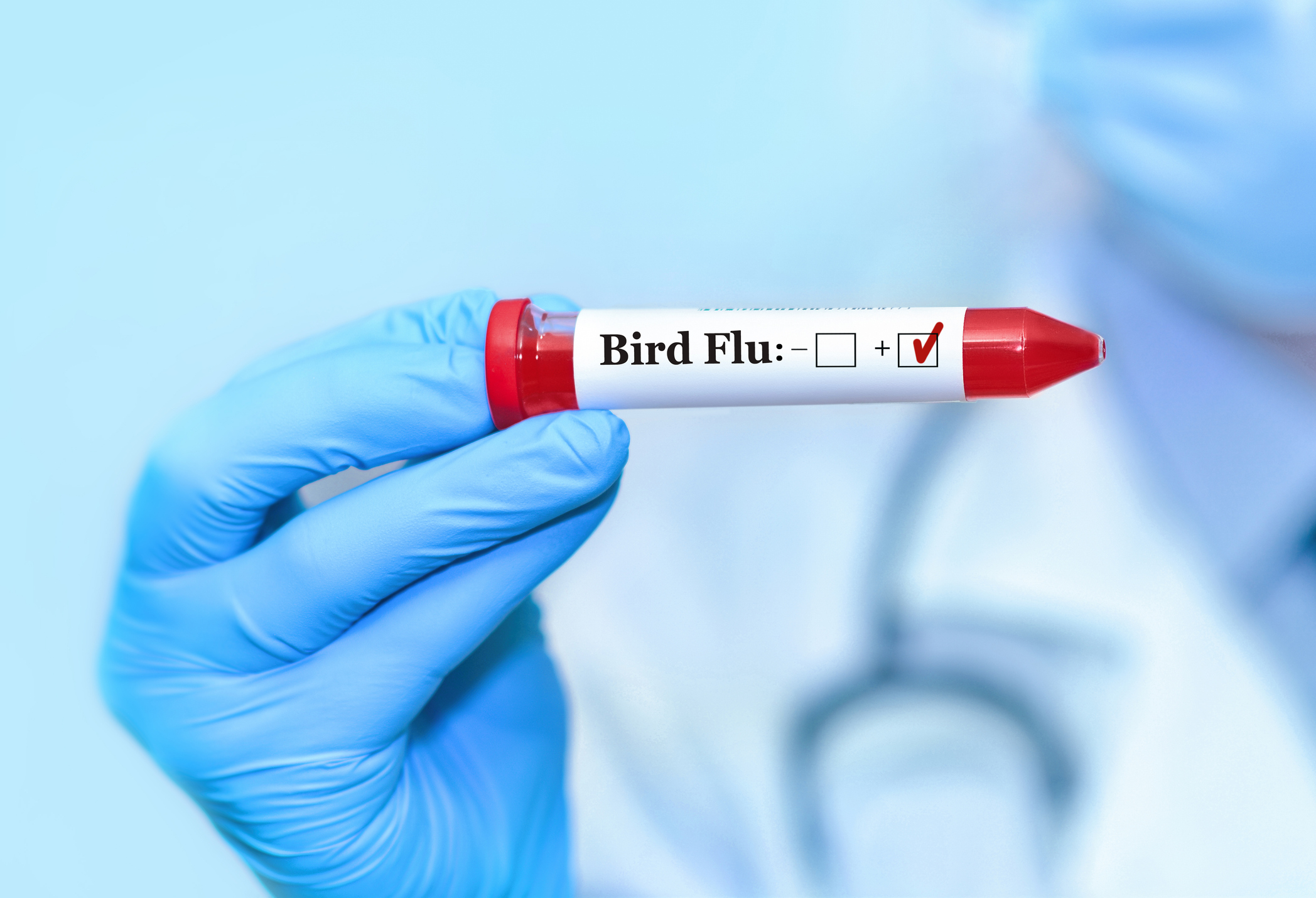
Doctor holding a test blood sample tube positive with Bird Flu test.

In 2024, H5N1 avian flu, also called bird flu, has captured the attention of public health experts and citizens alike. With 53 cases in the United States and reports from other parts of North America, concerns are rising about the virus’s ability to infect humans. I understand how unsettling this news can feel, but staying informed and prepared is key to navigating these uncertain times.

In this blog post, I’ll break down what the H5N1 avian flu is, how it spreads, its symptoms, and the preventive steps you can take to stay safe. Let’s tackle these concerns together.

Takeaways

  1. H5N1 avian flu is primarily transmitted through infected birds, poultry, or cattle.
  2. Human-to-human transmission remains rare, with no major outbreaks reported in 2024.
  3. Knowing symptoms and taking preventive actions can significantly reduce your risk of infection.
  4. Genetic mutations in the virus raise concerns, but experts stress there’s no immediate threat of a pandemic.

Understanding H5N1 Avian Flu

H5N1 avian flu is a virus primarily affecting birds but can occasionally infect humans. Most human cases result from direct contact with infected animals or contaminated environments. However, recent mutations in the virus have raised alarms about its potential to adapt to humans.

In 2024, the United States reported 53 cases of H5N1, primarily among people exposed to infected poultry or cattle. While most cases involve mild symptoms, the virus’s ability to mutate has scientists closely monitoring its spread.

Symptoms of H5N1 Avian Flu

If you’ve been exposed to H5N1, recognizing the symptoms early can make a significant difference. Here are the common signs:

  • Cough and sore throat
  • Fatigue and body aches
  • Fever and chills
  • Runny nose and eye irritation
  • Breathing difficulties in severe cases

Symptoms like diarrhea, vomiting, and headaches may also occur. Although most cases reported in 2024 have been mild, you should seek medical attention immediately if these symptoms appear after exposure.

How the Virus Spreads

I’ve learned that understanding transmission is crucial to preventing infection. H5N1 avian flu primarily spreads through direct or indirect contact with infected animals. Contaminated surfaces, feathers, or droppings can harbor the virus, making poultry farms and live markets high-risk areas.

What’s reassuring is that human-to-human transmission remains extremely rare. California’s Department of Public Health has confirmed no such cases in 2024, despite isolated infections.

Why 2024 Raised New Concerns

Two recent cases of H5N1 in North America stand out. One involved a Canadian teenager, while another concerned a Californian child with mild symptoms. Both cases lacked clear sources of infection, raising questions about the virus’s ability to infect humans without direct exposure to animals.

Scientists studying the Canadian case identified genetic mutations in the virus that could improve its ability to infect human cells. These findings are a wake-up call but don’t indicate that the virus has become easily transmissible between people.

Preventive Measures You Can Take

Protecting yourself from H5N1 starts with basic hygiene and awareness. Here’s what I recommend:

  1. Avoid direct contact with birds: Refrain from handling live poultry or wild birds, especially in outbreak areas.
  2. Clean your environment: Regularly disinfect surfaces that may have come into contact with bird droppings.
  3. Practice good hand hygiene: Wash your hands thoroughly with soap and water after handling animals or animal products.
  4. Cook poultry properly: Ensure chicken, eggs, and other poultry products are cooked to at least 165°F to kill any virus.
  5. Wear protective gear: If you work with poultry, use gloves, masks, and protective clothing to minimize exposure.

Following these steps can significantly reduce your risk of contracting the virus.

Expert Opinions on the Current Situation

Experts have emphasized that while genetic mutations in H5N1 raise concerns, there’s no immediate reason to panic. According to Scott Hensley, an immunologist, a virus must do more than bind to human cells to cause a pandemic.

This perspective gives me confidence that monitoring efforts and preventive measures can help us stay ahead of potential threats. The California Department of Public Health and global health organizations are actively tracking the virus’s evolution to mitigate risks.

What to Do If You Suspect Infection

If you develop symptoms after possible exposure to birds or poultry, seek medical care immediately. Early diagnosis can prevent complications and limit the spread of the virus.

Testing for H5N1 involves a throat swab or nasal sample analyzed in a laboratory. Antiviral medications, such as oseltamivir, can reduce the severity of symptoms when administered early.

Monitoring and Public Health Response

Health agencies worldwide are taking the H5N1 outbreak seriously. Surveillance of animal populations remains a top priority, as it helps identify outbreaks early. Vaccine development efforts are also underway to prepare for any future threats.

I believe the coordinated efforts between researchers, governments, and public health officials will continue to minimize risks. Staying informed and vigilant remains our best defense.

FAQs

1. Can humans contract H5N1 from eating poultry?
No, properly cooked poultry is safe to eat. The virus doesn’t survive at high cooking temperatures.

2. Is H5N1 contagious between humans?
Human-to-human transmission is rare and hasn’t been reported in 2024. Most cases involve direct animal exposure.

3. What makes H5N1 dangerous?
Its ability to mutate and infect human cells raises concerns about its pandemic potential, though such changes remain limited.

4. How can I protect my family?
Avoid contact with live birds, practice good hygiene, and cook poultry thoroughly. Stay informed about local outbreaks.

5. Are vaccines available for H5N1?
While vaccines are in development, none are currently available for widespread use. Preventive measures remain crucial.

Conclusion

The H5N1 avian flu poses challenges, but I believe that staying informed, vigilant, and proactive can mitigate risks. By understanding how the virus spreads and adopting preventive measures, we can protect ourselves and our communities.

Though the virus’s mutations warrant close monitoring, experts agree there’s no immediate danger of a pandemic. I’ll continue to follow updates and encourage you to stay educated as we navigate this evolving situation together.

Is Stress Really Stealing Your Hair? Here’s How to Spot It

0
Is Stress Really Stealing Your Hair? Here's How to Spot It

Losing hair can feel like losing a piece of your identity. But there’s hope—stress-induced hair loss is reversible.

Have you ever noticed how your hairbrush seems unusually full after a stressful day? Or how the shower drain clogs following an exhausting week? Stress, often dubbed the “silent tormentor,” doesn’t just erode your mental well-being; it can wreak havoc on your hair, too.

For both men and women, hair loss linked to stress is a pervasive yet overlooked issue until it’s too obvious to ignore. The silver lining? Comprehending how stress impacts your hair could hold the solution to curbing it. That’s why experts help demystify the science and uncover ways to minimize shedding.

The Science Behind Stress-Induced Hair Loss

Hair doesn’t fall out immediately after stress. Instead, it manifests in one of three ways:

  • Telogen Effluvium: “Stress shocks the system, pushing numerous hair follicles into a resting state. Significant shedding follows a few months later,” explains Dr. Raji Patil, Dermatologist and AGM, Medical Affairs QR678.
  • Alopecia Areata: “In some cases, stress triggers an autoimmune reaction, prompting the body to attack its hair follicles, resulting in patchy loss,” he adds.
  • Trichotillomania: “Chronic stress or anxiety can provoke an uncontrollable urge to pull out one’s hair, compounding the problem,” Dr. Patil notes.

The positive takeaway? Stress-induced hair loss is typically transient and manageable with the correct approach.

Stress and Hair Loss: Men vs. Women

Stress spares no one, yet its effects on hair can differ between genders. “Men often face accelerated male pattern baldness under stress, particularly if genetics predispose them,” says Dr. Patil.

Women, however, tend to experience diffuse thinning across the scalp. This can be especially distressing given societal emphasis on voluminous hair. Hormonal shifts—such as those during pregnancy or menopause—exacerbate stress-related hair loss in women.

Regardless of gender, addressing the root cause—stress—remains pivotal to restoring hair health.

Combatting Stress to Reclaim Your Hair

To mitigate hair loss tied to stress, Dr. Patil advises managing stress levels proactively. “Incorporate relaxation practices like yoga, meditation, or journaling into your routine. Consume a diet rich in hair-nurturing nutrients such as biotin, iron, and zinc to promote regrowth. Advanced cases might benefit from targeted hair treatments,” he suggests.

By targeting the underlying stress, you’re not just rejuvenating your scalp—you’re rebuilding your self-confidence. Life may bring challenges, but your hair doesn’t have to be a casualty.

Stay informed with the latest news, trends, and expert advice on beauty and lifestyle only on Times Now.

Stress and Hypertension: The Shocking Links!

0
Stress and Hypertension: The Shocking Links!

Stress—an unavoidable part of modern life—has a profound impact on health. One of its most insidious consequences is hypertension, often dubbed the “silent killer.” This condition, if left unchecked, can wreak havoc on the body, leading to irreversible damage. Understanding the intricate link between stress and hypertension is crucial to protecting your heart and ensuring a healthier future.

What Is Hypertension?

Hypertension is a chronic condition where the force of blood against the arterial walls remains consistently elevated. A normal blood pressure reading is under 120/80 mmHg, with the first number (systolic) indicating heartbeats and the second (diastolic) measuring rest between beats.

Hypertension is categorized into:

  • Stage 1 Hypertension: Blood pressure between 130-139/80-89 mmHg.
  • Stage 2 Hypertension: Blood pressure of 140/90 mmHg or higher.

Prolonged hypertension can lead to severe complications, including:

  • Heart disease
  • Stroke
  • Kidney failure
  • Vision loss

Stress and Hypertension: A Dangerous Duo

Stress doesn’t directly cause long-term hypertension, but it significantly influences its development. When stressed, your body initiates a “fight or flight” response, releasing hormones like adrenaline and cortisol. These chemicals temporarily spike blood pressure to prepare the body for immediate action. While this response is beneficial short-term, chronic stress keeps the body in a prolonged state of high alert, elevating blood pressure over time.

The Evidence Behind the Link

Long-Term Impact of Stress on Hypertension

A 2019 study in the Journal of the American Heart Association highlighted a direct correlation between perceived stress and hypertension risk. Researchers found:

  • Moderate stress increased the risk by 15%.
  • High stress raised the risk by 22% over seven years.

This study examined stress levels among participants in the Jackson Heart Study, a cohort focused on Black communities.

Stress Prevalence in Hypertensive Patients

A 2019 study in The Journal of Family Medicine and Primary Care revealed that 84.3% of hypertensive patients experienced significant stress. Common stressors included financial struggles, housing instability, family responsibilities, and personal loss. These factors underline the profound impact of life circumstances on health outcomes.

How Behavior Shapes Hypertension Risk

Stress influences not just the body but also behavior. Unhealthy habits like overeating, smoking, excessive alcohol consumption, and sedentary lifestyles often accompany chronic stress. Over time, these behaviors lead to:

  • Weight gain
  • Poor cardiovascular health
  • Increased blood pressure

Additionally, stress disrupts sleep patterns, exacerbating anxiety and depression. This vicious cycle further complicates blood pressure regulation.

Physiological Consequences of Chronic Stress

Chronic stress directly affects the cardiovascular system by:

  • Inflaming blood vessels: Reduced elasticity hampers smooth blood flow.
  • Heightening risk factors: Individuals in high-stress environments, such as demanding jobs or financial hardship, face increased hypertension risks.

The Mayo Clinic confirms that short-term stress spikes in blood pressure, while temporary, can still damage arteries, kidneys, and the heart over time.

Mitigating Stress to Protect Your Heart

1. Adopt Stress-Relief Practices

Incorporate relaxation techniques like meditation, deep breathing, and mindfulness. These methods reduce stress hormones and enhance emotional resilience.

2. Engage in Regular Exercise

Physical activity not only improves cardiovascular health but also releases endorphins, natural mood elevators that counteract stress. Aim for at least 30 minutes of moderate exercise daily.

3. Maintain a Heart-Healthy Diet

Focus on:

  • Fruits, vegetables, and whole grains
  • Lean proteins
  • Reducing salt, caffeine, and sugar intake

A balanced diet helps regulate blood pressure and prevents stress-induced spikes.

4. Prioritize Sleep Hygiene

Quality sleep allows the body to repair itself and lowers stress levels. Create a consistent sleep schedule and avoid screen time before bed.

5. Build a Support Network

Strong social connections provide emotional support, reducing stress and improving overall health. Share your feelings and challenges with trusted friends or family members.

FAQs

1. Can stress alone cause hypertension?
No, but chronic stress combined with unhealthy behaviors increases the risk significantly.

2. How can I tell if stress is affecting my blood pressure?
Monitor symptoms like headaches, fatigue, or irritability alongside regular blood pressure checks.

3. Are short-term stress spikes dangerous?
Yes. Temporary spikes can cause heart attacks, strokes, or arterial damage if they occur frequently.

4. Does diet play a role in stress management?
Absolutely. A nutritious diet supports cardiovascular health and reduces stress-induced blood pressure fluctuations.

5. What are the best exercises for stress relief?
Walking, yoga, and aerobic activities are excellent for reducing stress and promoting heart health.

Does Sugar Really Cause Diabetes? Experts Reveal the Hidden Culprit Behind High Blood Sugar Levels!

0
Does Sugar Really Cause Diabetes

When it comes to type 2 diabetes, most people instantly think sugar is the main cause. But here’s a surprising insight: an expert believes the real risk may come from salty foods. As someone focused on optimizing health and lifestyle, I’m here to uncover the unexpected truth behind high blood sugar and diabetes. Let’s explore how certain foods impact our health—and why everything you thought about sugar and diabetes might be just the beginning.

Understanding Diabetes: The Role of Salt and Sugar

It’s shocking, but eating sugar alone doesn’t necessarily cause diabetes. Dr. Vishakha Shivdasani, a lifestyle disease specialist, explains that while sugar can exacerbate existing diabetes, it doesn’t cause the disease outright. Instead, she points to salty foods like chips and bread as the real culprits. According to Dr. Shivdasani, savory carbohydrates convert to sugar in our bodies, and it’s these foods that can silently impact blood sugar over time.

So, What Actually Causes High Blood Sugar?

Dr. Shivdasani highlights that common foods like morning cereals, rice, bread, and salty snacks all contribute to higher blood sugar. She warns that even foods we don’t consider “sweet” can have a sugar impact. Diabetes develops when our bodies can’t manage blood sugar levels effectively, which can happen if insulin production drops or if cells resist insulin. Insulin, the hormone that manages blood sugar, is essential for our cells to use energy properly. Without it, blood sugar levels rise, leading to potential health problems.

The Surprising Link Between Salt and Diabetes Risk

High salt intake raises blood pressure, which can increase diabetes risk indirectly. Studies show that extra sodium in our diet is associated with a 43% higher chance of developing type 2 diabetes. Salt affects our blood sugar by altering how our bodies manage blood pressure, which indirectly impacts blood sugar regulation. When we eat too much salt, our bodies become more thirsty, prompting us to drink more fluids—often sugary beverages. This combination adds to insulin resistance.

Processed Salty Foods: The Real Danger?

It’s easy to overlook, but many processed foods that taste salty also contain hidden sugars. Dr. Shivdasani points out that even bread has a surprisingly high sugar content. For example, a slice of bread with 15 grams of carbs equates to nearly four teaspoons of sugar. This steady intake of sugar, combined with salt, can cause gradual spikes in blood sugar, especially if consumed daily.

Final words on Does Sugar Really Cause Diabetes?

In the quest to prevent or manage diabetes, it’s crucial to look beyond sugar and consider the hidden impact of salty, carbohydrate-rich foods. While sugar alone doesn’t cause diabetes, a diet high in processed salty foods, combined with a sedentary lifestyle, can silently elevate blood sugar levels over time. By understanding how different foods affect blood sugar and insulin resistance, we can take meaningful steps toward healthier choices. Moderation, balanced nutrition, and regular physical activity remain the foundation of diabetes prevention. Remember, a proactive approach to diet and lifestyle is key to maintaining your health and controlling diabetes risks effectively.

High-Fiber Foods to Include in Your Diet for Better Digestion

0
High-Fiber Foods to Include in Your Diet for Better Digestion

Fiber plays a crucial role in maintaining digestive health. It adds bulk to the stool, helps food move more smoothly through the digestive tract, and can prevent constipation. Adding high-fiber foods to your diet not only keeps your gut healthy but also aids in managing weight, stabilizing blood sugar levels, and lowering cholesterol. Let’s explore some of the top high-fiber foods that can boost your digestion and keep your system running smoothly.

Key Takeaways

  • Fiber-rich foods like oats, chia seeds, and lentils play an essential role in maintaining a healthy gut.
  • Soluble fiber helps absorb water, forming a gel that eases stool movement.
  • Insoluble fiber adds bulk, which can prevent constipation and promote regularity.

Fiber is often referred to as nature’s digestive aid. By adding fiber-rich foods to your daily routine, you’re giving your digestive system the tools it needs to stay balanced. Here, I’ll share some of the best high-fiber foods that should be part of any digestion-friendly diet.

1. Oats

Oats are a fantastic source of both soluble and insoluble fiber, helping promote a healthy digestive system. The soluble fiber in oats forms a gel-like substance in the digestive tract, which slows down digestion and allows better nutrient absorption. Insoluble fiber, on the other hand, adds bulk to the stool, helping it pass through more easily.

How to Add It: Enjoy a warm bowl of oatmeal in the morning, add oats to smoothies, or bake them into healthy snacks.

2. Apples

Apples contain a type of soluble fiber called pectin, which can improve digestion by helping to soften stools. This fruit is not only high in fiber but also rich in water content, making it great for overall gut health.

How to Add It: Eat an apple as a mid-day snack, slice it into salads, or add it to smoothies for extra fiber.

3. Chia Seeds

Chia seeds are small but mighty when it comes to fiber content. These tiny seeds swell up and form a gel-like consistency when mixed with water, which can promote bowel movements and ease constipation.

How to Add It: Sprinkle chia seeds on yogurt, blend them into smoothies, or make chia pudding by soaking them overnight in milk.

4. Lentils

Lentils are fiber powerhouses, with one cup containing up to 15 grams of fiber. They’re also packed with protein, making them an excellent addition to meals that can help you feel full and promote a balanced gut.

How to Add It: Cook lentils into soups, stews, or salads. They’re also great in veggie burgers or as a filling for tacos.

5. Broccoli

Broccoli is a fiber-rich vegetable that’s also packed with essential vitamins and antioxidants. It’s high in insoluble fiber, which can prevent constipation, and also contains small amounts of soluble fiber that support healthy digestion.

How to Add It: Roast or steam broccoli as a side dish, toss it into salads, or add it to stir-fries.

6. Flaxseeds

Flaxseeds are known for their high fiber content and are particularly rich in lignans, which have antioxidant properties. Flaxseeds can be very effective in easing constipation and improving digestive health.

How to Add It: Ground flaxseeds can be sprinkled on oatmeal, mixed into smoothies, or added to baked goods for a fiber boost.

7. Carrots

Carrots are a great source of insoluble fiber, which adds bulk to the stool and encourages bowel movement. They’re also high in beta-carotene and other vitamins, making them an all-around healthy choice.

How to Add It: Snack on raw carrots, roast them as a side dish, or add them to soups and stews.

8. Avocado

Avocados are rich in both fiber and healthy fats, making them a superfood for digestion. They contain a mix of soluble and insoluble fiber, which helps keep things moving smoothly through the digestive tract.

How to Add It: Mash avocado onto toast, add it to salads, or blend it into smoothies for a creamy texture and fiber boost.

9. Sweet Potatoes

Sweet potatoes are packed with fiber, especially when eaten with the skin on. They’re an excellent source of both soluble and insoluble fiber, supporting gut health and helping to prevent constipation.

How to Add It: Bake or roast sweet potatoes, mash them as a side dish, or add them to soups.

10. Berries

Berries, such as strawberries, raspberries, and blueberries, are not only delicious but also loaded with fiber. They’re particularly high in insoluble fiber, which can help move waste through the digestive tract more effectively.

How to Add It: Add berries to oatmeal, yogurt, or salads, or enjoy them as a snack.


Drink Your Way to Relief: Best Teas and Liquids for Constipation

0
Drink Your Way to Relief: Best Teas and Liquids for Constipation

Constipation is a common digestive issue that can cause discomfort and affect daily life. While there are many ways to relieve constipation, one of the simplest and most effective methods is through the consumption of certain teas and liquids. These drinks can help stimulate bowel movements, hydrate the body, and promote healthy digestion. In this post, I’ll discuss the best teas and liquids to help you relieve constipation naturally and efficiently.

Key Takeaways:

  • Teas like peppermint, ginger, and chamomile can help stimulate digestion and relieve constipation.
  • Prune juice and aloe vera are natural laxatives that promote smoother bowel movements.
  • Staying hydrated with liquids like coconut water and lemon water can help prevent constipation.

When dealing with constipation, the first step is to ensure that you’re staying properly hydrated. Many people underestimate the role that fluids play in maintaining digestive health. Dehydration can be a major cause of constipation, making it essential to drink the right fluids to ease bowel movements. Let’s dive into the best teas and liquids that not only hydrate but also help get your digestive system back on track.

1. Warm Water with Lemon

One of the simplest and most effective remedies for constipation is drinking warm water with lemon. The combination of warm water and lemon juice stimulates the digestive system, helping to flush out toxins and encourage smoother bowel movements. Lemon’s acidity helps in promoting bile production, which aids in digestion.

How to Drink It: Squeeze the juice of half a lemon into a glass of warm water and consume it first thing in the morning on an empty stomach.

2. Peppermint Tea

Peppermint tea is a popular herbal remedy that has been shown to improve digestion and relieve bloating. The menthol in peppermint helps to relax the muscles of the digestive tract, making it easier for food and waste to move through the intestines. This can be particularly helpful for people suffering from constipation due to digestive discomfort.

How to Drink It: Brew a fresh cup of peppermint tea and drink it after meals to aid digestion and prevent constipation.

3. Ginger Tea

Ginger is known for its anti-inflammatory properties, which can be especially beneficial for easing constipation. It stimulates digestion and promotes peristalsis, the process by which your intestines contract to move waste through your system. Ginger also helps reduce bloating and gas, which can often accompany constipation.

How to Drink It: Boil fresh ginger slices in water for a few minutes to make ginger tea. You can add honey for a bit of sweetness.

4. Dandelion Root Tea

Dandelion root tea is a powerful herbal remedy for constipation. Dandelion is a natural diuretic and can stimulate bile production, improving digestion and easing constipation. This tea helps to detoxify the liver, which is essential for overall digestive health.

How to Drink It: Steep dandelion root tea bags or fresh dandelion root in hot water for 5-10 minutes and drink it twice a day.

5. Chamomile Tea

Chamomile tea is not only soothing but also has mild laxative properties that can help relieve constipation. It works by relaxing the muscles of the gastrointestinal tract, allowing the bowels to move more easily. Chamomile also helps in reducing inflammation, which can be helpful for chronic constipation sufferers.

How to Drink It: Brew chamomile tea and sip it before bedtime for its relaxing effects and digestive benefits.

6. Aloe Vera Juice

Aloe vera is known for its soothing properties, and it’s often used to relieve constipation. Aloe vera juice acts as a natural laxative and can help stimulate bowel movements. It also has anti-inflammatory properties that can ease discomfort caused by constipation.

How to Drink It: Drink a small amount of aloe vera juice (around 1/4 cup) in the morning to promote bowel regularity. Be cautious with the dosage, as too much can cause diarrhea.

7. Prune Juice

Prune juice is perhaps the most well-known liquid remedy for constipation. Prunes (dried plums) are rich in fiber and sorbitol, a natural sugar alcohol that helps to soften stool and encourage bowel movements. Drinking prune juice can help increase stool frequency and improve bowel regularity.

How to Drink It: Start with a small glass of prune juice in the morning, and you’ll often see results within a few hours.

8. Coconut Water

Coconut water is an excellent hydrating drink that is also gentle on the digestive system. Packed with electrolytes, it helps balance your hydration levels and promotes smooth bowel movements. Coconut water is also rich in fiber, which aids in digestion and can help relieve constipation.

How to Drink It: Drink a glass of fresh coconut water in the morning to kickstart your digestive system.

9. Apple Cider Vinegar Drink

Apple cider vinegar is another natural remedy that can stimulate digestion and relieve constipation. It helps balance the acid levels in the stomach, promoting better digestion and reducing bloating. It also has mild laxative effects, which can help alleviate constipation.

How to Drink It: Mix one tablespoon of apple cider vinegar in a glass of water and drink it before meals for optimal results.

10. Lemon and Ginger Detox Drink

Combining lemon and ginger creates a powerful detox drink that can promote better digestion and relieve constipation. This drink works by stimulating bile production and encouraging the intestines to contract and push waste through. It’s also packed with antioxidants and anti-inflammatory properties.

How to Drink It: Mix freshly squeezed lemon juice with a few slices of ginger in warm water, and drink it first thing in the morning.

Conclusion

If you’re struggling with constipation, the liquids mentioned above can offer natural, effective relief. By incorporating these drinks into your daily routine, you can improve digestion, promote bowel regularity, and reduce bloating. Whether it’s a soothing cup of chamomile tea or the hydrating benefits of coconut water, these beverages can make a significant difference in easing constipation. Always remember to stay hydrated, maintain a fiber-rich diet, and consult your healthcare provider for any ongoing digestive issues.


The Ultimate Guide to Preventing Constipation: Easy Tips

0
The Ultimate Guide to Preventing Constipation

Takeaways

Preventing constipation involves a combination of dietary changes, physical activity, and healthy lifestyle choices. By incorporating more fiber, drinking plenty of water, exercising regularly, and maintaining a healthy gut, you can keep your digestive system functioning properly and avoid the discomfort of constipation. It’s essential to make small, consistent changes and listen to your body’s signals.

Constipation can be uncomfortable and even frustrating, but the good news is that it’s often preventable. By making simple adjustments to your diet and lifestyle, you can improve your gut health and avoid constipation altogether. In this comprehensive guide, I’ll walk you through effective, natural ways to prevent constipation and maintain a healthy digestive system.

Constipation is a common issue that many of us experience at some point. It can lead to bloating, discomfort, and even abdominal pain. However, preventing constipation doesn’t always require medication. By incorporating certain habits into your routine, you can support your digestive health and avoid this problem.

Let’s dive into practical tips that can help prevent constipation and ensure your gut stays healthy and happy.

1. Increase Your Fiber Intake

Fiber is one of the most important nutrients for maintaining a healthy digestive system. It adds bulk to your stool and helps it pass more easily through your intestines. There are two types of fiber—soluble and insoluble—both of which are beneficial in preventing constipation.

  • Soluble fiber absorbs water and forms a gel-like substance, which helps soften the stool.
  • Insoluble fiber adds bulk to stool and helps it move more quickly through the digestive tract.

To increase your fiber intake, try incorporating more fruits, vegetables, whole grains, and legumes into your diet. Foods like apples, carrots, spinach, oats, and beans are excellent sources of fiber.

2. Drink Plenty of Water

Staying hydrated is essential for preventing constipation. Water helps soften the stool and supports the smooth functioning of your digestive system. When you’re dehydrated, your stool can become dry and difficult to pass, leading to constipation.

Aim for at least 8 glasses of water per day, and more if you’re physically active. You can also include other fluids like herbal teas or broths to stay hydrated.

3. Exercise Regularly

Physical activity is key to keeping your digestive system moving. Exercise helps stimulate the muscles in your intestines, which promotes regular bowel movements. Even a brisk 30-minute walk can be beneficial for your gut health.

Incorporating activities like yoga, swimming, or cycling into your routine can also help alleviate constipation and keep things flowing smoothly in your digestive tract.

4. Establish a Regular Bathroom Routine

Sometimes, preventing constipation is as simple as listening to your body. It’s important to respond to the urge to have a bowel movement as soon as you feel it. Holding it in can lead to constipation, as it can cause your stool to become harder and more difficult to pass.

Try to establish a regular time each day to visit the bathroom, especially after meals. This helps train your body to be more consistent with bowel movements.

5. Eat Probiotics for Gut Health

Probiotics are beneficial bacteria that promote a healthy gut microbiome. A balanced gut microbiome plays a critical role in digestion and preventing constipation. Probiotics can be found in foods like yogurt, kefir, sauerkraut, and kimchi.

Including probiotic-rich foods in your diet can help regulate bowel movements and maintain a healthy digestive system.

6. Limit Processed Foods

Processed foods, such as fast food, packaged snacks, and sugary treats, often lack the fiber necessary for healthy digestion. These foods can slow down your digestive system and contribute to constipation. Instead, focus on whole, natural foods that provide the nutrients your body needs to stay regular.

By reducing your intake of processed foods, you can significantly improve your digestive health and prevent constipation.

7. Avoid Excessive Caffeine and Alcohol

Both caffeine and alcohol can contribute to dehydration, which can lead to constipation. While moderate amounts of coffee or tea can stimulate bowel movements for some people, excessive intake may have the opposite effect.

Limit your caffeine and alcohol consumption, and ensure that you’re balancing these drinks with plenty of water throughout the day.

8. Incorporate Healthy Fats

Healthy fats, such as those found in avocados, olive oil, and nuts, can help lubricate the intestines and ease the passage of stool. Including these healthy fats in your diet can help keep things moving smoothly through your digestive system.

Try adding avocado slices to salads, using olive oil in cooking, or snacking on nuts to get a good dose of healthy fats.

9. Manage Stress

Stress can have a significant impact on your digestive health, contributing to issues like constipation. When you’re stressed, your body’s natural digestive processes can slow down. Finding ways to manage stress can improve your gut function and help prevent constipation.

Try practicing stress-relief techniques like deep breathing, meditation, or mindfulness. Regular exercise also helps to reduce stress levels and improve overall health.

10. Consider Herbal Remedies

Certain herbal teas have natural properties that can help alleviate constipation. Peppermint, ginger, and senna are known for their digestive benefits. Drinking herbal teas after meals can help stimulate digestion and relieve constipation.

However, it’s important to use herbal remedies in moderation, as excessive use of some herbs, like senna, can lead to dependency.

FAQs

1. How long does it take to relieve constipation with diet changes? Diet changes can take a few days to a week to show results, but regular habits like eating fiber-rich foods and staying hydrated can help you feel relief faster.

2. Can stress really cause constipation? Yes, stress can affect your digestive system by slowing down the movement of food through your intestines, leading to constipation.

3. How much water should I drink to prevent constipation? Aim to drink at least 8 cups (64 ounces) of water daily to stay hydrated and support healthy digestion.

4. Are there any foods I should avoid if I have constipation? Limit processed foods, dairy products, and foods that are low in fiber, as these can contribute to constipation.

5. Can probiotics help prevent constipation? Yes, probiotics can help regulate your digestive system and improve bowel movements by promoting a healthy balance of gut bacteria.