Home Blog Page 23

What Changes Were Made in Food Compass 2.0 Ratings?

Food Compass 2.0 is transforming the way we evaluate the healthfulness of foods and beverages, using the latest research on nutrients and the intricate relationship between diet and health. This updated nutrient profiling system (NPS) offers an enhanced framework that guides consumers toward smarter eating choices worldwide.

What is Food Compass?

Food Compass serves as a nutrient profiling system designed to accurately assess the healthfulness of a variety of foods and beverages. A recent study published in Nature Food has upgraded Food Compass by integrating new data on recent diet-health evidence and ingredient specifics. This improvement is particularly vital in light of the rising prevalence of diet-related non-communicable diseases, highlighting the urgent need for effective public health strategies.

Understanding Nutrient Profiling Systems (NPS)

Nutrient profiling systems utilize quantitative algorithms to evaluate the healthfulness of foods and beverages. Food Compass 2.0 provides more nuanced distinctions between minimally processed and highly processed foods. A key enhancement from its predecessor is that it awards positive scores for non-ultraprocessed items, encouraging healthier food choices.

The Role of NPS in Public Health

As governments and industries increasingly rely on nutrient profiling systems, they are becoming instrumental in developing menu labeling, health claim eligibility, and reformulation targets. Despite their utility, these systems face limitations, including inadequate assessment of various food ingredients, failure to consider processing characteristics, and inconsistent scoring across food categories.

Addressing Limitations with Food Compass 2.0

Launched in 2021, Food Compass aimed to provide a balanced assessment of foods and beverages while minimizing subjectivity. By scoring mixed foods and meals and increasing consistency, Food Compass 2.0 enhances its association with health risk factors. To sustain these advantages, ongoing revisions using new data and community feedback are essential.

Key Findings from the Study

The original Food Compass scores (FCS) were compared with the updated Food Compass 2.0 across 9,273 unique foods and beverages from the National Health and Nutrition Examination Survey (NHANES) dataset. Significant updates included:

  • New data on added sugars in food ingredients.
  • Information on additives such as artificial sweeteners.
  • Neutral scoring for fruit and vegetable juices.
  • Increased scoring weight for dietary fiber and long-chain omega-3 fatty acids.
  • Reduced scoring weight for dairy fat as a negative attribute.

Scoring System Overview

Food items are categorized based on their FCS:

  • ≤30: Foods to be minimized.
  • 31-69: Foods to be consumed in moderation.
  • ≥70: Foods to be encouraged.

Major food groups such as meat, poultry, eggs, fats, oils, legumes, and nuts have been detailed to provide clearer insights into their healthfulness.

Notable Changes in Food Scoring

The transition from Food Compass to Food Compass 2.0 revealed shifts in mean FCS for various food categories:

  • Cold cereals, cereal bars, plant-based dairy, and fruit and vegetable juices saw declines in scores.
  • Meanwhile, scores for beef, pork, seafood, lamb, eggs, rice, and pasta increased.

Specific foods also displayed significant score changes; for instance, a whole fried egg without fat increased from an FCS of 48 to 62, while an egg substitute dropped from 50 to 45. Most legumes, seafood, nuts, vegetables, and fruits scored 70 or higher, while low-scoring items were primarily those high in added sugars or artificial additives.

Comparison with Other Nutrient Profiling Systems

While systems like Health Star Rating (HSR), Nutri-Score, and NOVA classification share considerable overlap, notable distinctions exist. For example, products with the highest and lowest FCS in HSR diverged from those in Food Compass 2.0, highlighting the unique contributions of each NPS.

Implications for Daily Diets

Food Compass 2.0 has proven effective in extending individual food scores to daily dietary patterns. Using a nationally representative dataset of 47,099 adults, the energy-weighted average FCS of foods and beverages consumed (referred to as i.FCS) closely correlated with the Healthy Eating Index (HEI-2015), thus validating its application in assessing healthy dietary patterns.

The study also adjusted for various health variables, including body mass index (BMI), cholesterol levels, and fasting plasma glucose, indicating that the updated i.FCS is associated with lower all-cause mortality rates.

Conclusion: A New Era in Nutritional Assessment

Food Compass 2.0 effectively characterizes food items based on their healthfulness, demonstrating validity against healthful dietary patterns and outcomes. Its application has extended beyond the U.S., showing promise in countries like Greece, Korea, and China. As collaborations expand, Food Compass 2.0 aims to become a global standard for promoting healthier eating choices.

By integrating cutting-edge research and data-driven insights, Food Compass 2.0 is poised to play a pivotal role in improving public health and guiding individuals toward better nutrition.

In summary, Food Compass 2.0 stands as a groundbreaking tool in the fight against diet-related diseases, equipping consumers with the knowledge they need to make informed dietary choices. By prioritizing health and wellness, it fosters a healthier future for individuals and communities alike.


How Can Cardinal Health Integrate Integrated Oncology Network?

DUBLIN, Ohio, September 20, 2024 — Cardinal Health (NYSE: CAH) has announced a pivotal step in enhancing its commitment to independent community healthcare providers through the acquisition of Integrated Oncology Network (ION) for $1.115 billion in cash. This transaction is not only a significant investment in specialty and oncology services but also a demonstration of Cardinal Health’s ongoing dedication to community-centric healthcare.

Enhancing Community-Based Oncology Care

With this acquisition, Cardinal Health aims to bolster the Navista oncology practice alliance, incorporating over 100 providers across more than 50 community-based locations that span 10 states. ION offers an extensive range of services that include medical oncology, radiation oncology, urology, diagnostic testing, and other ancillary services, thereby ensuring a comprehensive continuum of care for local communities.

This move underscores Cardinal Health’s commitment to fostering independence among community healthcare providers. As ION practices join the Navista alliance, they will gain access to advanced practice management and growth services, further enhancing their capabilities and resources.

Leveraging Advanced Technology for Better Care

The integration of ION into Navista will enable practices to harness advanced analytics powered by artificial intelligence, along with specialized insights from Specialty Networks’ PPS Analytics and SoNaR technology solutions. Jason Hollar, CEO of Cardinal Health, emphasized the importance of driving growth in specialty services: “With the proven model of ION supporting community oncology across the entire cancer care continuum, we are confident this acquisition will accelerate our oncology strategy and create value for both providers and patients.”

Tailored Support for Oncology Practices

ION’s flexible business model caters to the diverse needs of its member practices. Support services encompass revenue cycle management, payer relations, physician recruitment, practice marketing, finance, accounting, human resources, and information technology. This synergistic approach, combined with Navista’s technology platform and value-based care solutions, enhances Cardinal Health’s holistic suite of clinical and practice management resources aimed at empowering independent community oncology practices.

Barry Tanner, CEO of Integrated Oncology Network, expressed enthusiasm about the partnership: “Together, we share a mission to provide world-class patient care and a superior patient experience, enabling local practices to enhance their services and positively impact patient outcomes.”

A Collaborative Vision for Patient-Centered Care

Dr. Jedidiah Monson, founding partner and president of ION member practice California Cancer Associates for Research & Excellence (cCARE), highlighted the significance of this collaboration: “By joining Navista, cCARE will gain access to the advanced services and technology needed to deliver high-quality, cost-effective patient-centered cancer care while maintaining our independence for the benefit of our patients, practices, and communities.”

Robust Pharmaceutical Supply Chain

Cardinal Health’s Pharmaceutical and Specialty Solutions segment operates one of the largest pharmaceutical supply chains in the United States. The company boasts strategically located distribution centers that facilitate rapid and efficient delivery nationwide. Through its specialty division, Cardinal Health provides dependable distribution and advanced technology solutions to community-based practices across the country.

Transaction Details and Future Outlook

This acquisition is subject to customary closing conditions, including necessary regulatory approvals. Following the transaction’s completion, it is projected to be accretive to non-GAAP earnings per share within 12 months.

About Cardinal Health
Cardinal Health is a leading distributor of pharmaceuticals, a global manufacturer and distributor of medical and laboratory products, and a provider of performance and data solutions for healthcare facilities. With over 50 years of experience and operations in more than 30 countries, Cardinal Health employs approximately 48,000 individuals globally and is integral to healthcare delivery. More information is available at cardinalhealth.com.

About Integrated Oncology Network
Founded in 2008, Integrated Oncology Network partners with physicians, hospitals, and other healthcare providers to deliver cutting-edge services and technologies to their patients. With over 50 centers nationwide, ION offers a complete and integrated continuum of care, encompassing diagnostic testing, radiation oncology, medical oncology, urology, and other ancillary services.

Cautions Concerning Forward-Looking Statements

This news release includes forward-looking statements regarding expectations, estimates, and other matters dependent on future events. Such statements may be identified by terms such as “expect,” “anticipate,” “intend,” “believe,” and similar expressions. These projections are subject to risks and uncertainties that could lead to actual results differing significantly from those anticipated. Cardinal Health is obligated to disclose additional risks and uncertainties in its Form 10-K, Form 10-Q, and Form 8-K reports. This announcement reflects management’s views as of September 20, 2024, and Cardinal Health undertakes no obligation to update or revise any forward-looking statements, except as required by law.

What Are the Main Behavioral Health Issues in Lane County?

SPRINGFIELD, Ore. — In an exciting development for mental health services in Lane County, PeaceHealth has announced plans to construct a new 96-bed inpatient behavioral health hospital in Springfield. The facility, named Timber Springs Behavioral Health Hospital, will be strategically situated near PeaceHealth Sacred Heart Medical Center at RiverBend, following the acquisition of land along International Way. This initiative reflects PeaceHealth’s commitment to enhancing mental health care in the community.

Partnership with Lane County

This ambitious project is part of a strategic partnership between PeaceHealth and Lane County. As part of this collaboration, Lane County is also working on establishing the Lane Stabilization Center (LSC) adjacent to the new hospital. The LSC aims to provide critical support for individuals facing behavioral health crises, offering an alternative to traditional emergency room visits and potential incarceration.

A Holistic Approach to Mental Health

Alicia Beymer, Chief Administrative Officer at PeaceHealth Sacred Heart Medical Center at RiverBend, emphasized the necessity of a holistic approach to mental health care. “Mental health conditions demand urgency, expertise, and compassion. We are thrilled to partner with Lane County to realize a comprehensive and integrated behavioral health network,” Beymer stated. This collaboration seeks to expand access to essential services, reduce emergency department congestion, and minimize the need for patients to seek treatment in distant facilities.

Current Mental Health Services in Lane County

Currently, PeaceHealth provides care for approximately 15 crisis patients daily in the Riverbend Emergency Department and operates a 35-bed behavioral health unit on the University District campus. The new Timber Springs hospital will replace this unit, significantly enhancing capacity and service offerings. The existing facility can only accommodate the most acute psychiatric patients, while the new hospital will provide care for individuals with major depression, anxiety disorders, bipolar disorder, post-traumatic stress disorder, psychosis, and other mental health issues.

Features of the Lane Stabilization Center

The Lane Stabilization Center will serve as a vital resource for individuals in crisis. It will offer:

  • 24-hour adult behavioral health urgent care for less severe cases.
  • A 23-hour observation unit for those in crisis.

Eve Gray, Director of Lane County Health and Human Services, noted, “We are witnessing a doubling of inpatient bed capacity for adults, as well as the introduction of the first adolescent behavioral health inpatient unit outside of Portland. This additional capacity for stabilization resources will significantly alleviate pressure on our hospitals.”

Addressing Mental Health Crises

Sheriff Clifton Harrold of Lane County expressed the need for effective alternatives to incarceration for individuals experiencing mental health crises. “The new facilities are the solution we have been searching for,” he remarked. “They will help curb drug abuse and provide support to those desperate for relief from their symptoms.” He further explained that many individuals in crisis resort to self-medication, and the new stabilization center will offer the necessary help to avoid these harmful behaviors.

Financial Backing and Future Prospects

The LSC project comes with a $30 million price tag, with funding sourced from various avenues, including $8 million from the Lane County Board of Commissioners, $5 million from the state legislature, and $3 million from federal sources. PeaceHealth has not yet disclosed the total cost for the Timber Springs Behavioral Health Hospital, but it is expected to create hundreds of jobs in the region, with incentives designed to attract skilled behavioral health professionals.

Timeline for Opening

PeaceHealth aims to have the Timber Springs Behavioral Health Hospital operational by late 2027 or early 2028. Meanwhile, Lane County has entered a 90-day due diligence phase to gather public input, which includes federal environmental and zoning reviews. The purchase agreement will be presented to the Lane County Board of Commissioners on Wednesday, October 16, but the finalization of the sale is anticipated to take several months. Public comments will be welcomed on Tuesday, October 15, at 9 a.m. during the Board of Commissioners meeting at the Public Service Building in Harris Hall, located at 125 East 8th Avenue, Eugene.

How to Practice Self-Care on World Mental Health Day

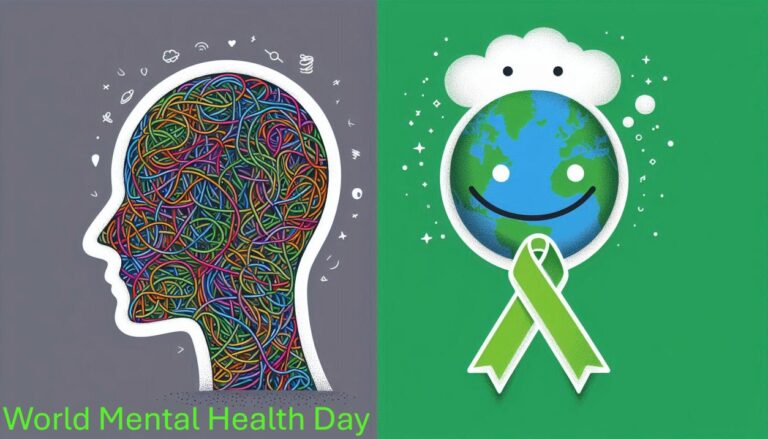
World Mental Health Day, observed on October 10, reminds us to reflect on mental well-being globally. The theme for 2024, “It is Time to Prioritize Mental Health in the Workplace,” underscores the critical role that workplace conditions, stress management, social inclusion, and empowerment play in mental health.

In every organization, leaders and employees alike can contribute to fostering a mentally healthy work environment. Here are some practical steps to enhance workplace mental health, not just on October 10, but every day.

Express Gratitude

A simple “thank you” can go a long way. Expressing gratitude to your colleagues builds stronger relationships and fosters a positive workplace atmosphere. This practice benefits not only the recipients but also those who express gratitude, enhancing overall well-being.

Practice Email Etiquette

Effective communication reduces misunderstandings and stress. When crafting emails, include a clear subject line, concise summary, and explicit deadlines. Consider labeling emails as “no reply necessary” or “not time sensitive” to help recipients prioritize. Direct specific requests to the appropriate people in the recipient line, minimizing unnecessary “reply all” responses.

Prioritize No-Meeting Days

Allocate two or three days each month as no-meeting days to allow employees uninterrupted work time. Also, establish meeting-less days where only essential meetings are scheduled. This practice helps manage workloads and reduces stress associated with constant meetings.

Engage in Mindfulness Activities

Incorporate mindfulness into your daily routine. Take breaks for deep breathing, meditation, or using mindfulness apps like Calm. These practices can help clear your mind, boost your mood, and improve your overall well-being during the workday.

Practice Job Crafting

Job crafting involves modifying aspects of your work to better suit your strengths and interests. Change the type, scope, or sequence of your tasks, connect with new colleagues, or view your responsibilities from a different perspective. This approach can make your work more engaging and fulfilling.

Be a Source of Social Support

Actively listen to your colleagues and offer emotional support. If you’re in a supervisory role, create a psychologically safe environment and model healthy mental health practices. Providing social support can significantly enhance the workplace atmosphere and employee well-being.

Additional Tips to Support Workplace Mental Health:

  • Encourage Regular Breaks: Taking regular short breaks can help in recharging and maintaining productivity throughout the day.

  • Promote Work-Life Balance: Ensure employees have the flexibility to balance their work and personal lives. Encourage activities and hobbies outside of work.

  • Provide Resources: Offer access to mental health resources such as counseling services, stress management workshops, and wellness programs.

  • Foster Open Communication: Create an environment where employees feel comfortable discussing their mental health without fear of stigma or retribution.

  • Recognize Efforts: Acknowledge and reward employees’ hard work and achievements, which can boost morale and motivation.

Ongoing Commitment

These practices are just a starting point. Prioritizing mental health in the workplace is an ongoing commitment that requires continuous effort and attention. By fostering a supportive environment, we can improve the quality of life for employees and contribute to a healthier, more productive workforce.

Remember, enhancing workplace mental health benefits everyone. Let’s make mental health a priority at work today and every day!

How to Enjoy Wellness Activities in Hong Kong

October serves as a vital health awareness month, dedicated to both breast cancer and mental health awareness. From restoring inner calm through yoga and sound baths to visiting a market that supports breast cancer charities, there are numerous ways to engage in these causes.

On World Mental Health Day, happening October 10th, the Hong Kong charity TNN invites everyone to a relaxing workshop that blends restful yoga with mindfulness. Additionally, a pink-themed market will be in full swing to promote breast cancer awareness. Cancer survivors and their loved ones can also participate in a therapeutic gong bath this weekend, along with other meditative sessions throughout the city.

1. World Mental Health Day Yoga with TNN Hong Kong

On Thursday, October 10, from 7:30 pm to 9 pm, join a peaceful workshop in observance of World Mental Health Day, hosted by TNN (The New Normal)—a Hong Kong-based charity providing mental health support. The event, led by Heinok Fan and Valerie Teh, takes place in a serene private rooftop garden. Participants will explore restful yoga, mindfulness, and breathwork exercises, aimed at enhancing self-care and mental wellbeing. The techniques taught can be incorporated into daily life to maintain mental health balance.

The session costs HK$265 (US$34), but is free for those facing financial difficulties. More details will be shared upon booking.

2. Circle of Hope: Red Doors Studio

On Saturday morning, from 9:30 am to 11 am, Red Doors Studio offers a complimentary sound therapy session specifically designed for cancer survivors and their families. This healing experience will utilize the power of sound and vibration—featuring singing bowls, tuning forks, laughter yoga, and essential oils—aimed at supporting emotional recovery. The session concludes with the soothing vibrations of gongs, providing a deeply rejuvenating experience.

While the event is free, donations are accepted. Seats are limited, so it’s advised to arrive early.

3. Restore & Nervous System Reset: Somatic Movement with Sound Bath

For a rejuvenating start to your weekend, join a Somatic Movement with Sound Bath at Evolve Wellness on Saturday, from 11 am to 12:15 pm. Led by wellness coach Winnie Kwong, the session begins with gentle movements designed to ease physical tension, followed by a calming sound bath to encourage restful sleep and mental clarity.

For HK$355, attendees also receive several perks, including a HK$500 Sweaty Betty voucher, a 50-minute infrared sauna session, a 30% off facial or massage voucher from Sense of Touch, and a can of Ruby’s Kombucha.

4. Yoga Fundamentals and Mini-Meditation

On Sunday morning, take part in a 75-minute Yoga and Meditation class, from 10 am to 11:15 am. Open to both beginners and seasoned yogis, the class led by Tiffany Wan focuses on fundamental yoga poses that enhance circulation and overall wellness. A brief meditation session will also be included, allowing participants to center themselves and reduce mental clutter.

5. The Arca – Super Pinket Marketplace

Celebrate Breast Cancer Awareness Month by visiting the Super Pinket Marketplace at The Arca Hotel this weekend. Running on Saturday and Sunday, from 11 am to 7 pm, this vibrant market will feature over 50 stalls showcasing unique arts, crafts, sportswear, and more.

The event will also offer live music and sharing sessions hosted by local celebrities, focused on breast cancer awareness. Guests can enjoy a special Pink Bubbles drink, with all proceeds benefiting the Hong Kong Breast Cancer Foundation. Additionally, DIY phone cord kits will be available for purchase at the Arca Handmade Corner, with proceeds going towards breast cancer research.


This October, don’t miss the opportunity to engage in these uplifting activities, whether for mental health, breast cancer awareness, or simply to unwind and restore your sense of wellbeing.

World Mental Health Day: A Call to Action for Self-Care

Burnout has become a critical issue in today’s fast-paced work environment. Emily, a finance manager, exemplifies this challenge. After months of working 60-hour weeks to meet stringent deadlines, Emily feels perpetually drained—both mentally and physically. Tasks she once found stimulating now seem insurmountable, and her patience with colleagues wears thin. Despite working longer hours, her productivity plummets. Eventually, she starts calling in sick frequently and contemplates leaving her job altogether, feeling utterly incapable of continuing. Emily’s experience highlights the growing problem of burnout in the workplace.

What is Burnout?

Burnout is a state of emotional, physical, and mental exhaustion caused by prolonged work stress. When work demands remain high over extended periods, without enough recovery or support, employees like Emily become vulnerable to burnout. This condition is marked by energy depletion, cynicism towards one’s job, and a noticeable decline in performance. Those affected by burnout often find themselves disengaged, unable to perform tasks at their usual level of competence or enthusiasm.

The Focus of World Mental Health Day 2024: Workplace Wellbeing

In 2024, World Mental Health Day aims to address the pressing issue of workplace mental health, emphasizing how employees can recognize when work is adversely affecting their wellbeing and take proactive steps to manage it. Understanding burnout, its causes, and solutions is critical for both individuals and organizations striving to create healthier work environments.

The Causes of Burnout: Prolonged Job Demands and Insufficient Resources

Burnout arises when job demands outweigh available resources for an extended period. Key contributors to burnout include:

  • Heavy workloads
  • Job insecurity
  • Role ambiguity
  • Internal conflicts
  • Unrelenting pressure

According to research by Mental Health UK, burnout is on the rise. A staggering 91% of adults surveyed reported experiencing extreme stress in the last year, with 20% taking time off due to poor mental health. This issue doesn’t just affect individuals—it also impacts businesses, leading to reduced productivity, increased absenteeism, and high employee turnover.

The Impact of Burnout on Health and Job Performance

Burnout can have severe health consequences, even for those experiencing mild cases. Left unchecked, burnout may lead to:

  • Work-related anxiety and depression
  • Increased risk of cardiovascular diseases
  • Type 2 diabetes
  • Insomnia
  • Chronic headaches
  • Increased mortality rates

The consequences don’t stop there. Burnout also results in diminished creativity and performance, making it a costly issue for organizations that fail to address it.

Recognizing the Symptoms of Burnout

Recognizing burnout early can be challenging. Symptoms vary but often include:

  • Persistent fatigue, even before starting the workday
  • Emotional exhaustion during work hours
  • Cynicism and detachment from tasks
  • Decreased job satisfaction
  • Self-doubt and feelings of incompetence

If you find yourself dreading work, feeling physically unwell at the thought of tasks, or emotionally depleted at the end of the day, you may be experiencing burnout. These warning signs indicate the need for immediate intervention.

Preventing Burnout: Balancing Job Demands with Resources

Preventing and recovering from burnout starts by addressing the imbalance between job demands and resources. Here are effective strategies to combat burnout:

  1. Reduce workload and job pressure – Cutting down excessive tasks and setting clear boundaries between work and personal time can help alleviate stress.
  2. Enhance job resources – Improving workplace conditions by increasing autonomy, providing social support, and fostering professional development can significantly reduce burnout risks.
  3. Promote work-life balance – Establishing clear boundaries between professional and personal life is essential. Employers should encourage time off and ensure employees have opportunities to relax and recharge.

The Role of Recovery in Burnout Prevention

One of the most vital elements in preventing burnout is recovery. Recovery doesn’t just mean taking time off; it involves engaging in activities that promote relaxation and mental detachment from work. Employees should be encouraged to participate in hobbies, physical exercise, and leisure activities that bring joy without competitive pressure. These moments of respite are critical for replenishing energy and maintaining mental resilience.

Job Crafting: A Powerful Tool for Preventing Burnout

Job crafting is an increasingly popular strategy in the fight against burnout. This approach involves making small, meaningful changes to both job demands and resources. Employees can take steps such as:

  • Minimizing emotionally or physically taxing tasks
  • Reducing their workload by focusing on high-priority items
  • Seeking more autonomy and control over their tasks
  • Engaging in professional development to boost confidence and skills

Over time, job crafting can lead to a significant reduction in burnout, as employees regain control over their work environment and find ways to make their roles more fulfilling.

The Organizational Role in Burnout Prevention

While individual efforts are essential, organizations also play a critical role in reducing burnout. Employers can implement various intervention strategies, such as:

  • Stress management training
  • Mindfulness programs
  • Policies that allow employees to disconnect from work after hours

These strategies not only improve employee wellbeing but also enhance overall productivity and job satisfaction.

Final Thoughts on Combating Burnout in 2024 and Beyond

As we move into 2024, it’s clear that burnout is an escalating issue that requires immediate attention. Both individuals and organizations must prioritize mental health in the workplace. By recognizing the signs of burnout, balancing job demands with adequate resources, and implementing recovery and job crafting strategies, we can foster healthier work environments and improve overall employee wellbeing.

If you or your organization are facing burnout challenges, taking proactive steps today can lead to a healthier, more productive tomorrow.

UofL Law Student Tackles Health Insurance Claim Denials dilemma

0

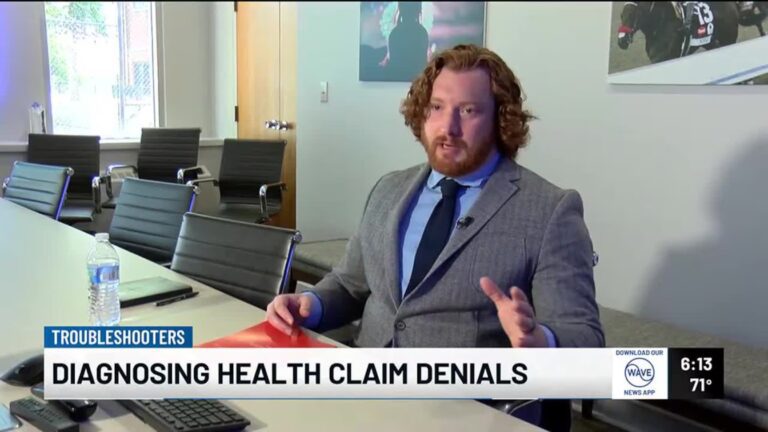
LOUISVILLE, Ky. (WAVE) — Have you ever faced the frustrating reality of needing a medical procedure or test only to have your health insurance deny it? This is a challenge that many, including myself, have encountered multiple times.

The Denial Letter Dilemma

The correspondence is all too familiar. One denial letter read, “After reviewing the information we have, we determined we cannot approve this request. We found the service requested is not medically necessary in your case.”

For those who have received such notifications, the wording strikes a chord. Frank Beifuss and his wife, grappling with a rare genetic disorder, faced similar hurdles.

“To me, it was unfathomable how much we had to battle with the insurance company to secure her coverage,” Beifuss expressed. “And many of these battles ended in defeat. A lost battle often meant she didn’t receive the vital care she needed.”

The Research That Sparked Change

Frustrated by the ongoing denials, Beifuss turned to research, which led to the creation of his paper titled “Illusory Remedies: Why Lacking Oversight and Penalties Leave Half the Country with Only a Shadow of Healthcare.” Recently peer-reviewed and published in the University of Louisville Law Review, this paper highlights significant flaws in the employer-sponsored healthcare system that affects over half of the U.S. population.

The Dark Truth About Claims Denials

Beifuss embarked on a quest to uncover how often insurance claims are denied. To his astonishment, he discovered a disturbing truth: there is no concrete data on the frequency of claims denials.

“What I found is that no one has a clear understanding of how often claims are denied, nor does anyone track these occurrences,” Beifuss stated. “Everyone assumes that someone else is responsible for monitoring it, but the reality is that no one is empowered to take action.”

Lack of Oversight and Its Consequences

Beifuss poignantly noted, “No entity tracks the prevalence of health plan claims denials.” This absence of oversight renders it impossible to ascertain how often wrongful claim denials happen. The only organization that monitors such denials is the Centers for Medicare and Medicaid Services (CMS), which denied over 18% of in-network claims.

“If we examine the Medicare/Medicaid data, less than 1% of those denied claims are appealed,” Beifuss pointed out. “Furthermore, about 70% of the appeals that do occur are typically approved. Insurers have created a system filled with obstacles, knowing that many people will simply abandon their claims.”

The Roadblocks to Justice

How many obstacles are there? In many states, you can appeal internally twice, and each appeal process can stretch on for months. Following that, if you still haven’t succeeded, you have the option for an external appeal, typically managed by a company hired by the insurance provider.

“If you go through all these steps, then you can claim you were wronged, and pursue legal action,” Beifuss explained. “However, very few attorneys are willing to handle these types of cases.”

The Dismal Reality

“So, you’re primarily out of luck?” I inquired.

“Mostly, yes,” Beifuss confirmed.

Your health may deteriorate during the lengthy waiting period. Even if you eventually succeed and attempt to sue, Beifuss found that you would likely recover zero dollars outside of the original denied care costs.

“Insurers of these group health plans are shielded from numerous penalties for misconduct,” Beifuss elaborated. “Cloaked in legislative protections, insurers can avoid fulfilling claims because the penalties for breaching their duties are less burdensome than actually meeting their obligations.”

“The only consequence for misappropriating funds in these scenarios is occasionally having to return what was taken,” Beifuss added.

The Unbalanced System

Beifuss discovered that even the doctors employed by insurers to determine medical necessity for claims are protected by consulting physician malpractice immunity.

“Your physician meets with you, assesses your health, and makes a recommendation based on years of experience,” Beifuss explained. “If that doctor makes critical errors or fails to meet the standard of care, they can face severe medical malpractice liability. Conversely, the doctors reviewing your insurance claims are not held to the same standards and are exempt from such liabilities.”

A Worsening Landscape for Healthcare Consumers

The situation for consumers is deteriorating. Beifuss observed, “After decades of litigation and legislation, the insurers’ standing has mostly improved.”

“The United States Supreme Court has consistently upheld the interests of insurers, often in near-unanimous decisions,” he noted.

A Hard-Won Victory

After years of navigating the healthcare denial landscape and learning to construct “sophisticated appeals,” Beifuss ultimately succeeded in getting his wife’s healthcare approvals.

“Most individuals are not equipped to navigate the complexities of healthcare,” Beifuss lamented. “They are confronted with a vast, intimidating network working against them. This scenario places ordinary individuals in a position where they cannot access the healthcare they need, forcing doctors to act as their own insurance law firms. It’s a bizarre and troubling state of affairs.”

How to Utilize Kettering Health Partnership Digital Support for Heart Failure Patients

Heart failure patients encounter a myriad of challenges, from managing daily care routines to the constant threat of hospitalization. To enhance the care journey for individuals grappling with heart failure, Kettering Health has forged a strategic alliance with Story Health, a pioneering digital health enterprise dedicated to revolutionizing specialty care delivery. For those Kettering Health patients who choose to participate, Story Health will partner with healthcare providers to deliver tailored virtual care, encompassing medication oversight, home-based heart health monitoring, and comprehensive support from clinical care teams, all aimed at minimizing readmission rates and expanding provider capacity.

Heart failure is a chronic condition that requires continuous management and support. Recognizing the need for innovative solutions, Kettering Health has partnered with Story Health to provide comprehensive digital support for heart failure patients. This partnership aims to improve patient outcomes through personalized, virtual care and robust support services. Here’s how you can make the most of this partnership:

1. Virtual, Personalized Care

One of the standout features of this partnership is the provision of virtual care tailored to individual patient needs. This includes:

  • Medication Management: Patients receive personalized medication plans and reminders to ensure adherence.
  • Home Heart Health Monitoring: With the help of digital tools, patients can monitor their heart health from the comfort of their homes. This includes tracking vital signs and symptoms, which are then reviewed by healthcare professionals.

2. Continuous Support from Clinical Care Teams

Patients have access to a dedicated clinical care team that provides continuous support and guidance. This team is available to answer questions, adjust treatment plans, and offer advice on managing heart failure symptoms. The goal is to ensure that patients never feel alone in their journey.

3. Specialized Heart Failure Clinics

Kettering Health’s heart failure clinics are designed to offer specialized care. These clinics provide:

  • Comprehensive Assessments: Detailed evaluations to understand the patient’s condition and needs.
  • Tailored Treatment Plans: Customized plans that address the unique challenges faced by each patient.
  • Regular Follow-ups: Scheduled check-ins to monitor progress and make necessary adjustments to the treatment plan.

4. Support Services

In addition to medical care, the partnership offers a range of support services aimed at improving the overall well-being of heart failure patients. These include:

  • Patient Education: One-on-one sessions to educate patients about heart failure, its management, and lifestyle changes that can help.
  • Lifestyle Tips: Advice on diet, exercise, and other lifestyle modifications to support heart health.
  • Cardiac Rehabilitation Programs: Structured programs to help patients recover and improve their heart function.
  • Community Health Events: Opportunities for patients to connect with others, share experiences, and learn from experts.

How It Works

A licensed and adept care team from Story Health will be readily accessible via text, phone, or video calls, providing proactive engagement to assist patients in managing their condition and securing the necessary care between medical appointments. Story Health coaches meticulously analyze daily health data submitted by Kettering Health patients, facilitating timely adjustments to medication regimens, offering education and symptom management strategies, and resolving any prescription-related challenges that may surface between visits. Furthermore, Kettering Health will automatically enroll patients in the Story Health program upon hospital discharge, fostering heightened engagement in post-discharge follow-up care.

“Heart failure care at Kettering Health merges expertise with state-of-the-art technology and specialized support to deliver an exceptional experience for our patients. Our collaboration with Story Health extends this care virtually, ensuring that patients receive assistance with daily monitoring and medication management between appointments. Ultimately, our goal is to diminish hospitalizations and enhance the quality of life for our heart failure patients,” remarked Jody Underwood, executive director of Population Health at Kettering Health.

Improved Quality of Life

Story Health integrates advanced technology with a specialized care team to elevate the health and overall quality of life for those living with cardiovascular challenges. This innovative care model has produced remarkable health outcomes and achieved high levels of patient engagement, particularly among underserved demographics.

“Our partnership with Kettering Health guarantees that heart failure patients remain actively engaged in their care, allowing for the delivery of superior quality healthcare. We assist the health system in lowering readmission rates while simultaneously increasing the patient population they can accommodate,” stated Tom Stanis, co-founder and CEO of Story Health. “From day one after discharge, our seasoned care team fosters enhanced engagement, ensuring that patients adhere to their care plans.”

Reducing readmission rates stands as a critical priority for healthcare systems, and tackling barriers post-discharge can significantly mitigate the risk of complications through timely detection and management. Story Health is committed to assisting Kettering Health in addressing these challenges by connecting with patients in compassionate and meaningful ways, collaborating closely to meet their individual needs.

Conclusion

The Kettering Health and Story Health partnership represents a significant advancement in the care of heart failure patients. By leveraging digital tools and providing continuous, personalized support, this partnership aims to enhance patient outcomes and quality of life. If you or a loved one is managing heart failure, consider exploring the resources and support offered through this innovative collaboration.

Wake Forest Hosts Mental Wellness Fair: Explore the 8 Dimensions of Wellness

This Saturday, the Town of Wake Forest is excited to host the Second Annual Wake Forest Mental Wellness Fair, an engaging event designed to promote mental health awareness and support.

Event Details

Date: September 28
Time: 1 p.m. – 4 p.m.
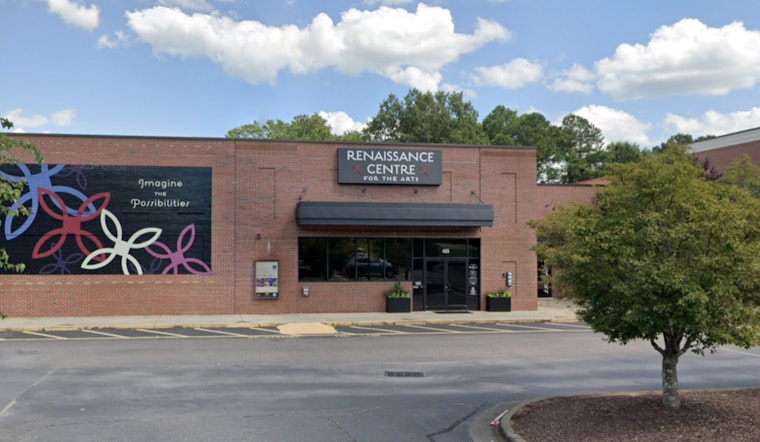
Location: Renaissance Centre, 405 S. Brooks St.

Organized by Commissioner Nick Sliwinski, this fair aims to shed light on the critical topic of mental health, offering resources for those who are facing mental health challenges. The event emphasizes community support and education, ensuring that everyone can find valuable information tailored to their needs.

Activities for All Ages

As noted by WakeForestNC.gov, the fair will feature a myriad of activities suitable for various age groups, making it a family-friendly occasion. Children and teens will have access to activities tailored just for them, while adults and seniors will discover resources that could help themselves or loved ones coping with untreated or poorly managed mental health issues.

Expressive Arts and Wellness Workshops

In a bid to promote inclusivity, the fair will host an Intergenerational Expressive Arts breakout session, allowing participants of all ages to express their thoughts and feelings creatively. Attendees can also engage in workshops and performances that tackle significant topics such as grief and wellness, providing a holistic approach to mental health.

Keynote Presentation on Wellness

The fair will feature a keynote presentation focusing on the “8 Dimensions of Wellness,” offering attendees a comprehensive understanding of mental health from various perspectives. This multifaceted approach is crucial for fostering overall well-being.

Interactive Experiences

Attendees can also participate in an enlightening dance presentation themed around coping with grief and join in on drumming sessions that are welcoming to all levels of experience. These interactive elements encourage community participation and provide tools for emotional expression and healing.

Access to Vital Resources

To further enrich the fair, a diverse array of vendor advocates from local organizations, agencies, and nonprofits will be present to share essential resources and information. Topics covered will range from depression and suicide prevention to specialized services for veterans and strategies for managing holiday grief.

Complimentary Food and Free Entry

The Town of Wake Forest, in collaboration with the Wake Forest Fire Department, will provide free food at the Renaissance Centre parking lot, available while supplies last. This initiative underscores the fair’s commitment to community well-being and engagement.

The Mental Wellness Fair is completely free of charge and encourages not only individuals seeking support but also those wishing to help friends or family members in need. While walk-ins are welcome, attendees are encouraged to preregister for the event by completing the online signup form provided through the town’s news release.

How to Get Involved

For additional details about the fair, interested parties can reach out to Community Outreach Manager Andrew Brown, Jr. via email at abrown@wakeforestnc.gov.

Conclusion

Don’t miss out on this valuable opportunity to connect with community resources, engage in enriching activities, and foster a supportive environment focused on mental wellness. The Second Annual Wake Forest Mental Wellness Fair promises to be a day of learning, connection, and healing for everyone involved. Join us and help make a difference in our community!

How to Get the Most Out of Your Fitness and Water Workouts during monsoon

The monsoon season brings a refreshing change in weather, but it also poses unique challenges for maintaining a healthy lifestyle. From dietary adjustments to fitness routines and water-based workouts, here’s your ultimate guide to staying fit and well during the rainy season.

Boost Your Immunity with the Right Foods

  1. Nutrient-Rich Diet: Incorporate a variety of fresh fruits and vegetables into your diet to boost your immune system. Foods rich in vitamins C and E, such as citrus fruits, berries, and nuts, are particularly beneficial.
  2. Stay Hydrated: Even though the weather is cooler, it’s essential to stay hydrated. Drink plenty of water, herbal teas, and soups. Adding slices of lemon, cucumber, or mint to your water can make it more enjoyable.
  3. Avoid Junk Food: The temptation to indulge in fried snacks and sweets is high during the monsoon. Opt for healthier alternatives like roasted nuts, seeds, and homemade snacks to keep your energy levels up without the extra calories.

Indoor Fitness Routines to Keep You Active

  1. Yoga and Stretching: Yoga is an excellent indoor exercise that helps improve flexibility, strength, and mental well-being. Incorporate poses that enhance your respiratory health, such as the Cobra Pose and Bridge Pose.
  2. Bodyweight Exercises: Utilize your body weight for effective workouts at home. Exercises like squats, lunges, push-ups, and planks can be done without any equipment and are great for building strength.
  3. Cardio Workouts: High-Intensity Interval Training (HIIT) and dance workouts are fantastic for getting your heart rate up and burning calories. These can be done in a small space and require minimal equipment.

Embrace Water Workouts for a Refreshing Change

  1. Swimming: If you have access to an indoor pool, swimming is a perfect full-body workout that is gentle on the joints. It’s also a great way to stay cool and active during the monsoon.
  2. Aqua Aerobics: This low-impact, high-energy workout is ideal for improving cardiovascular health and muscle strength. Aqua aerobics classes are often available at local gyms or community centers.
  3. Hydrotherapy: Engage in water-based exercises that focus on muscle relaxation and recovery. Hydrotherapy can help alleviate muscle soreness and improve overall flexibility.