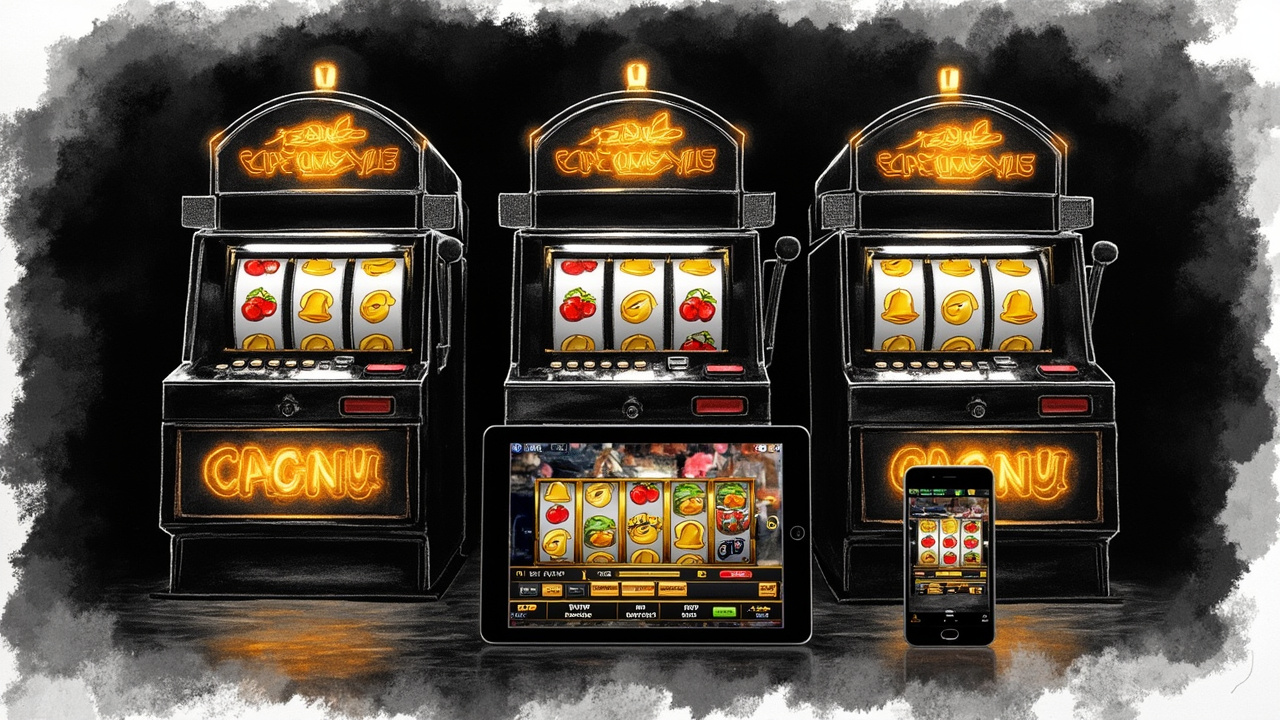
When you’re lining up a prepaid card casino deposit on a busy Saturday arvo, the whole process should feel as straightforward as grabbing a flat white at the local café, not as tangled as a delayed Sydney train. Prepaid cards let you set a hard ceiling on what leaves your pocket before you even load the site, which suits players who want a clean boundary between entertainment spend and everyday bills. In Australia, that boundary matters because the rules around real-money play sit with the operator’s licence and your own account settings, not with any blanket endorsement of offshore venues. This walkthrough follows a player from the moment they choose a card through to the point where the balance shows in their account, with a clear eye on trust, support and the controls that actually protect you.
Setting Up the Card and the Account
Most players start by buying a prepaid card at a newsagent or supermarket, then registering it with the issuer before they ever visit a casino lobby. The registration step usually asks for a name, a contact email and a postcode, which is the same kind of identity check you’d expect when you sign up for a new phone plan. Once the card is activated, you load it with a fixed amount in Australian dollars, and that figure becomes your practical spending limit for the session. A solid operator will ask for the same kind of verification before you can play for real money, so the paperwork you did for the card lines up neatly with the account checks you’d face anyway. If you want a quick sense of how a branded lobby handles that onboarding, you can read the write-up at spin samurai on australian forums to see how players describe the registration flow and the first deposit step. The key is that the card never asks you to share your bank account number, so the account you build on the site stays focused on the card balance rather than your everyday finances.
Funding the Account and Reading the Confirmation
When you reach the cashier and choose a prepaid card casino deposit, the site should display the amount in Australian dollars, the currency code, and a clear breakdown of any fee the card issuer might apply before the funds move. A well-built cashier will let you type the exact figure you want to send, rather than forcing you through a menu of preset amounts that don’t match your card load. Once you confirm, the operator’s confirmation screen should show a transaction reference, the amount debited from the card, and the credited balance in your account wallet, all within a few seconds if the integration is working properly. I’ve seen product teams treat that confirmation as the moment of truth, because a delayed or vague receipt is the first sign that the payment rail and the account ledger are not talking to each other cleanly. If you prefer a quick read on how a free-balance offer fits into that first deposit moment, you can check royal reels free $10 into bonus wallet to see how a small bonus credit is presented alongside the real-money wallet. The practical takeaway is that the card deposit should leave you with a clear paper trail, not a mystery balance that you have to hunt through menus to understand.
Playing Within the Card’s Limits
Once the balance is in your account, the card’s fixed load becomes a natural brake on how much you can play in one sitting, which is exactly why a prepaid card casino deposit suits players who like a hard stop. The games on a reputable site will be supplied by established providers, and the lobby should let you filter by provider, game type and stake range so you can match the card balance to the tables or slots you actually want to play. If you are using a sportsbook alongside the casino, the same account often carries both products, and you can spread a stake across selections using Dutching if you want a more even return across a couple of outcomes rather than backing one result outright. Ethan Jackson, Sports Betting Analyst, Great Southern Betting Review, notes that Dutching spreads stakes across selections for an equal return, which is a useful discipline when you are working from a fixed card balance rather than a rolling bankroll. The point is not that any method guarantees a result, but that a card-funded account makes it easier to see exactly how much you have committed before the next spin or bet.
Support, Controls and Account Privacy
A trustworthy operator will put responsible-play tools directly in the account settings, so you can set deposit limits, session reminders or a short cooling-off period without needing to email support first. The support team should be reachable through live chat and email, with response times that match the pace of a packed Melbourne tram rather than the glacial drift of a broken queue at a regional service desk. When you use a prepaid card casino deposit, your card details stay with the issuer, and the operator should only store the transaction reference and the credited balance, which keeps your everyday banking information out of the casino’s records. Privacy matters here because the account should be able to show you your own activity clearly, while keeping the payment trail separate from the game history so you can read both without confusion. If a site makes you hunt through three menus just to find the limit controls or the chat button, that is a sign the account structure was built for marketing first and player control second.

Conclusion
A prepaid card casino deposit works best when the card load, the account verification and the cashier confirmation all line up in a way you can read at a glance, because that clarity is what turns a simple payment into a practical boundary you can actually live with. The card gives you a fixed ceiling before you start, the operator’s account controls give you a second layer of limits, and the support team should be able to answer a straight question without making you re-explain the same detail three times. If you treat the card as a session budget rather than a backdoor into endless play, the whole setup becomes a cleaner way to keep your entertainment spend separate from the rest of your week.