


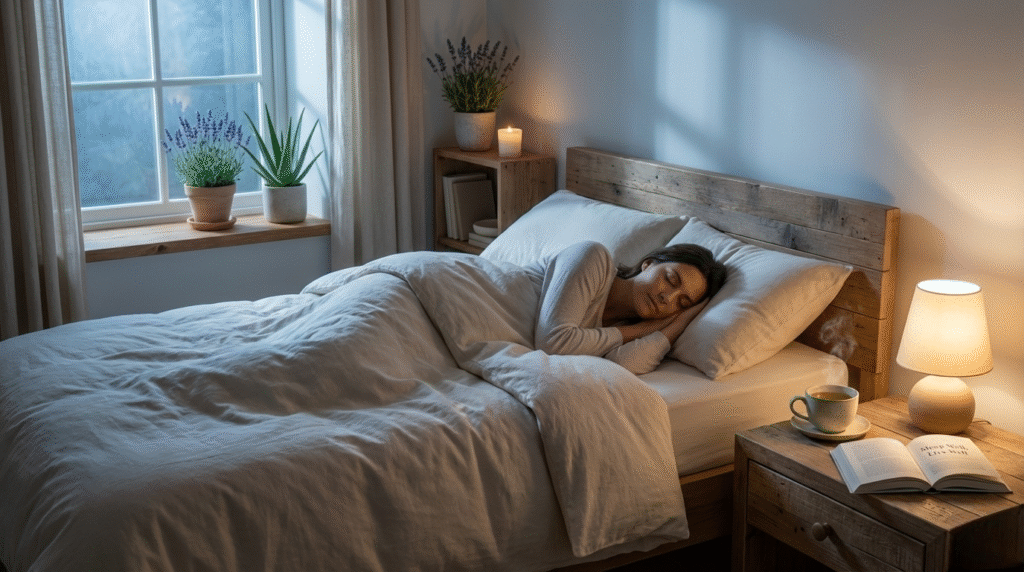
In today’s fast-paced world, poor sleep has become one of the most common health complaints. Millions of people struggle every night with difficulty falling asleep, frequent awakenings, or waking up feeling tired. While sleeping pills may seem like a quick solution, many people now want to know how to improve sleep quality naturally without medicine.
The good news is that quality sleep does not always require medication. Scientific research shows that simple lifestyle, diet, and environmental changes can significantly enhance sleep quality, duration, and depth. In fact, natural sleep improvement strategies often work better in the long run and come without side effects.
This detailed guide explains 15 evidence-based ways to improve sleep naturally, helping you sleep better, feel more energized, and support your overall health.
Why Sleep Quality Is So Important for Health
Sleep is not a luxury—it is a biological necessity. Poor sleep affects almost every system in the body.
Research shows that inadequate sleep can:
-
Reduce concentration and memory
-
Increase stress, anxiety, and depression
-
Weaken immunity
-
Increase the risk of heart disease and high blood pressure
-
Raise the chances of obesity and type 2 diabetes
When people ask how to improve sleep quality naturally without medicine, they are really asking how to improve their overall quality of life.
1. Increase Bright Light Exposure During the Day
One of the most effective natural ways to improve sleep is daytime light exposure.
Your body follows a 24-hour internal clock known as the circadian rhythm. Sunlight during the day signals your brain to stay alert, while darkness at night signals it to produce melatonin for sleep.
How to apply this tip:
-
Spend 20–30 minutes in natural sunlight daily
-
Take a morning walk or sit near a window
-
If sunlight is limited, consider a bright light lamp
Studies show that people exposed to more daylight fall asleep faster and experience deeper sleep at night.
2. Reduce Blue Light Exposure in the Evening
Blue light from screens is one of the biggest sleep disruptors in modern life.
Phones, laptops, TVs, and tablets emit blue light that suppresses melatonin, the hormone responsible for sleep.
If you want to learn how to improve sleep quality naturally without medicine, reducing blue light is essential.
Practical steps:
-
Stop using screens 1–2 hours before bed
-
Enable night mode or blue-light filters
-
Wear blue-light blocking glasses
-
Dim household lighting in the evening
This simple habit alone can dramatically improve sleep quality.
3. Avoid Caffeine Late in the Day
Caffeine stays in the body much longer than most people realize—sometimes up to 8–10 hours.
Late caffeine consumption can:
-
Delay sleep onset
-
Reduce total sleep time
-
Lower sleep efficiency
Best practices:
-
Avoid caffeine after 2–3 PM
-
Replace evening coffee with herbal tea
-
Check hidden caffeine in chocolate and supplements
Reducing caffeine intake is one of the easiest ways to improve sleep naturally.
4. Limit Long or Irregular Daytime Naps
Short naps can boost energy, but long or irregular naps may interfere with nighttime sleep.
Daytime sleeping can confuse your body clock, making it harder to fall asleep at night.
Nap smart:
-
Limit naps to 20–30 minutes
-
Avoid napping after 3 PM
-
Skip naps if nighttime sleep is poor
This tip is especially helpful for people wondering how to improve sleep quality naturally without medicine.
5. Maintain a Consistent Sleep Schedule
Your body loves routine.
Going to bed and waking up at the same time every day helps regulate your circadian rhythm and improves long-term sleep quality.
Key habits:
-
Sleep and wake at the same time—even on weekends
-
Avoid sleeping in too late
-
Use alarms only if necessary
Consistency is more powerful than most sleep remedies.
6. Consider Melatonin (With Caution)
Melatonin is a natural hormone that regulates sleep-wake cycles.
For some people, low-dose melatonin supplements may help them fall asleep faster—especially for jet lag or shift work.
Important notes:
-
Start with very low doses (0.5–1 mg)
-
Take 1–2 hours before bedtime
-
Consult a healthcare professional first
While melatonin can help, it should support—not replace—healthy sleep habits.
7. Try Natural Sleep-Supporting Supplements
Some supplements may promote relaxation and better sleep when combined with lifestyle changes.
Popular options include:
-
Magnesium – supports muscle relaxation
-
Omega-3 fatty acids – improve sleep regulation
-
Zinc – supports sleep quality
-
L-theanine – promotes calmness
Always introduce one supplement at a time and consult a professional if needed.
8. Avoid Alcohol Before Bed
Alcohol may help you fall asleep faster, but it seriously disrupts sleep quality.
It can:
-
Reduce REM sleep
-
Increase nighttime awakenings
-
Worsen snoring and sleep apnea
If you want to improve sleep naturally, avoid alcohol at least 3–4 hours before bedtime.
9. Invest in a Comfortable Bed and Mattress
Sleep quality depends heavily on physical comfort.
A poor mattress can cause:
-
Back pain
-
Tossing and turning
-
Frequent awakenings
Research suggests medium-firm mattresses are ideal for most people, but personal comfort matters most.
10. Optimize Your Bedroom Environment
Your bedroom should signal rest—not stimulation.
Create a sleep-friendly environment:
-
Keep temperature around 18–20°C (65–68°F)
-
Minimize noise using earplugs or white noise
-
Eliminate light using blackout curtains
-
Improve air quality and ventilation
A calm sleep environment supports natural melatonin production.
11. Avoid Eating Late at Night
Late meals can interfere with digestion and sleep.
Heavy or high-carb meals close to bedtime may:
-
Increase acid reflux
-
Raise body temperature
-
Disrupt deep sleep
Best approach:
-
Eat dinner 2–3 hours before bed
-
Choose light snacks if needed
-
Avoid spicy or sugary foods
12. Reduce Fluid Intake Before Bed
Nighttime bathroom trips interrupt sleep cycles and reduce sleep quality.
To prevent this:
-
Limit liquids 1–2 hours before bed
-
Avoid alcohol and caffeine
-
Use the bathroom right before sleeping
Hydration is important—but timing matters.
13. Practice Relaxation Techniques Before Bed
Relaxation helps signal the brain that it’s time to sleep.
Effective techniques include:
-
Deep breathing exercises
-
Meditation or mindfulness
-
Gentle stretching
-
Reading a book
-
Listening to calming music
These habits are central to learning how to improve sleep quality naturally without medicine.
14. Rule Out Sleep Disorders
If sleep problems persist despite lifestyle changes, an underlying disorder may be present.
Common sleep disorders:
-
Insomnia
-
Sleep apnea
-
Restless legs syndrome
-
Narcolepsy
Chronic sleep problems should always be evaluated by a healthcare professional.
15. Exercise Regularly (But Not Too Late)
Exercise improves sleep depth, duration, and efficiency.
However, intense workouts too close to bedtime may increase alertness.
Sleep-friendly exercise tips:
-
Aim for 150 minutes per week
-
Exercise earlier in the day
-
Try yoga or stretching in the evening
Regular movement is one of the most effective natural sleep enhancers.
Frequently Asked Questions (FAQ)
What is the 10-3-2-1-0 sleep rule?
-
10 hours before bed: No caffeine
-
3 hours before bed: No alcohol or heavy meals
-
2 hours before bed: Stop work
-
1 hour before bed: No screens
-
0 snoozes in the morning
How long does it take to improve sleep naturally?
Most people notice improvements within 1–3 weeks of consistent habits.
Can natural sleep methods replace sleeping pills?
In many cases, yes. Lifestyle changes often work better long-term and without side effects.
Bottom Line
Learning how to improve sleep quality naturally without medicine is one of the best investments you can make for your health.
Sleep supports your brain, heart, metabolism, immunity, and emotional well-being. By making small but consistent changes—like managing light exposure, diet, exercise, and stress—you can dramatically improve your sleep without relying on medication.
Better sleep is not about quick fixes. It’s about building habits that support your body’s natural rhythm.
Prioritize sleep—and your health will follow.