Poker Equity Turn: Reading the River Without Overplaying It
I’ve spent three decades tuning payout curves and pacing decisions across more than 300 releases, and the same discipline that keeps a slot session honest applies to a poker equity turn. When the fourth community card lands, you’re no longer guessing about raw odds – you’re weighing how much of the pot you actually own, and that shift changes everything about how you bet, slow-play, or fold. If you want to see how that kind of read holds up under live pressure, you can watch a jeetcasino in live casino dealer streaming and notice how quickly the maths meets the room.
How the Turn Rewrites Your Hand’s Worth
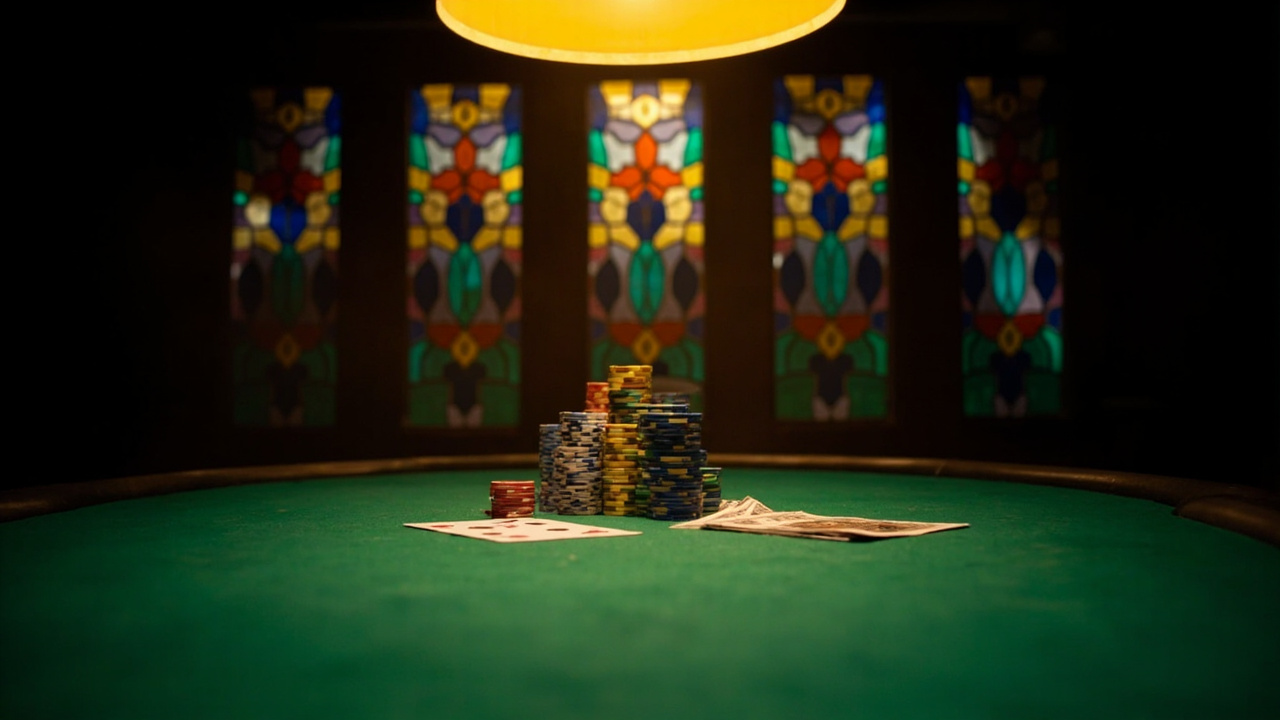
The turn is where raw probability starts bleeding into real money. You’ve seen two streets of action, the board has narrowed the field, and the card that drops now either hands you a clearer path to value or exposes a draw that’s gone cold. I’ve always treated that moment like a pacing gate in harness racing – pacers and trotters are the two gaits in harness racing, and once the rhythm changes, you commit to it or you get left behind. The same logic applies when you calculate your equity on the turn: you stop counting outs in a vacuum and start counting how the pot odds, your opponent’s range, and the remaining deck actually interact.
That’s why I keep coming back to slow-playing as a deliberate disguise rather than a lazy habit. Slow-playing disguises a strong hand as a weak one, but on the turn it has to earn its place. If you’re sitting on a set or a strong two-pair and the board is still coordinated, checking can invite a scare card that flips the equity distribution without you seeing a bet. On the other hand, if your hand is barely ahead and you’ve already invested on the flop, a restrained turn bet can keep worse hands in the pot without blowing up your own risk. The cut card is inserted near the back of the shoe to mark when reshuffling occurs, and I like that image for the turn too: there’s a hard limit to how many unseen cards actually matter, and once you’ve burned through the meaningful ones, you’re just managing variance.
For an Australian player sitting down on a Tuesday arvo, the practical read is simple. You’re not trying to solve the whole deck; you’re asking whether your hand owns enough of the pot to keep calling, raising, or releasing. If your equity has climbed enough to justify a bet, you take the value. If it’s slipped and the board has narrowed your range, you protect your stack instead of chasing pride. That’s the turn in plain terms: a checkpoint where the maths stops being theoretical and starts being a decision you can actually afford. jeetcasino in live casino dealer streaming
Reading the Turn in Real Sessions
Position and the Cost of Waiting
Position does most of the heavy lifting once the turn arrives, because the player acting last gets to see what the others do before committing more chips. I’ve watched too many sessions blow up because someone checked a marginal hand out of habit, then faced a turn bet that forced a guess with no new information. When you’re in late position, a small turn bet can thin the field without handing away the whole pot, and that’s often the difference between a profitable call and a costly bluff catch. Early position is the opposite problem: you’ve already put money in, the board has likely changed your hand’s shape, and now you’re deciding whether to defend with equity that might have looked better on the flop. The trick is to treat position as a timing tool, not a free pass. If you’re out of position and your equity hasn’t moved in your favour, folding isn’t weakness – it’s the disciplined read that keeps a bad session from turning into a worse one.
Bet Sizing When the Board Tightens
Bet sizing on the turn isn’t about matching the previous street; it’s about pricing the remaining uncertainty. A coordinated board with two flush cards and a pair often means your equity is either solid or fragile, and your bet should reflect that range instead of a generic number. I’ve always preferred sizing that gives a weaker hand a reason to stay in only when it’s actually paying off, because overbetting a mediocre draw just hands the pot to someone who’s already made their hand. On the other side, underbetting a strong value hand on a dry turn lets opponents see a free card that could flip the equity without any cost to them. The right size is the one that matches what you think your hand owns now, not what it looked like three streets ago. If your read is that you’re ahead, you charge. If your read is that you’re guessing, you keep the bet small enough that a wrong call doesn’t turn a bad beat into a bankroll problem.
When the Equity Shift Favours a Fold
Folding on the turn is where a lot of players lose their nerve, because the money already in the pot feels like it should justify one more call. I’ve seen that mindset cost more than any bad run of cards, especially when the turn card completes a straight draw, brings a third suited card, or pairs the board in a way that narrows your range. The honest read is that equity can drop sharply without the pot looking any smaller, and sometimes the correct move is to release a hand that still had showdown value on the flop. That doesn’t mean folding every time the board looks scary; it means recognising when your hand’s ownership of the pot has fallen below what a call can reasonably recover. If you’re paying off a raise with a hand that’s now mostly a bluff catcher and your equity hasn’t improved, letting it go is often the most profitable line. The turn rewards players who can separate sunk cost from actual ownership, and that discipline is what separates a solid session from a tilted one.
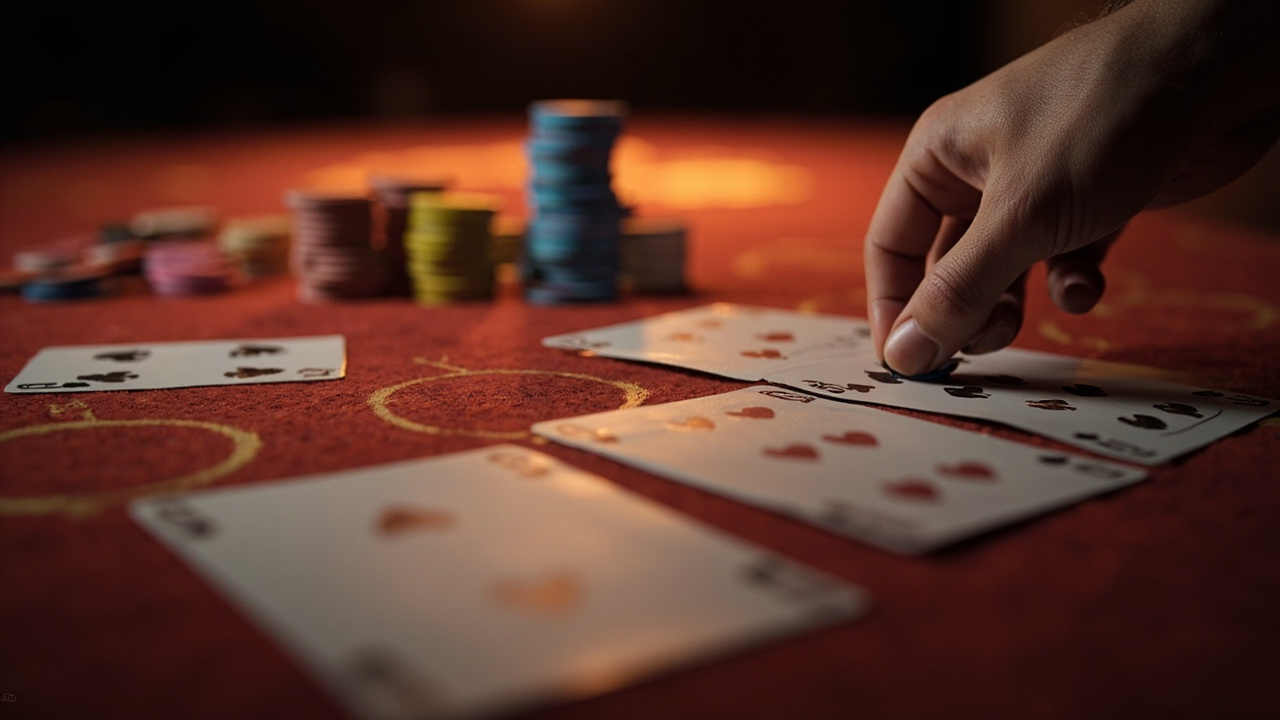
Table Image and the Slow-Play Trap
Your image at the table changes how your turn bet lands, and that’s where slow-playing can quietly backfire. If you’ve been playing tight, a check on the turn can look like a genuine weakness, which is exactly why slow-playing disguises a strong hand as a weak one in the first place. But if you’ve been active and aggressive, the same check can read as a trap that invites a raise you didn’t want to face. I’ve always judged slow-play by the board and the opponent, not by habit. On a static turn with little danger of a scary card, letting someone chase can be a smart way to build a bigger pot with a hand that’s already ahead. On a volatile turn, though, disguising strength can hand the initiative to someone who’s now getting the right price to keep attacking. The balance is to use slow-playing when the board gives you cover, and to bet your equity when the board is about to tell a different story.
Who This Approach Fits Best
This turn-focused read suits players who already understand basic pot odds and want to stop making emotional calls once the board narrows their hand. It’s a good fit for Australians who like a measured session rather than a high-variance sprint, because the whole point is to make clearer decisions when the equity actually shifts instead of reacting to every card as if it were a verdict. If you’re the sort of player who prefers a quiet Melbourne night over a crowded floor, this approach rewards patience and range awareness more than aggression for its own sake. It’s less useful for players who are still learning to track their own outs, because the turn is where incomplete reads get expensive fast. For anyone who wants to tighten up their mid-hand decisions without overhauling their whole style, the turn is the place to start, because that’s where the maths becomes a real choice instead of a theoretical one.
The best part of treating the turn as a real equity checkpoint is that it keeps your decisions tied to what the board actually owns, not what you hoped it would. When you stop pretending every card is a new beginning and start reading how the pot has changed hands, you play fewer streets on autopilot and more streets on purpose. That’s the habit that holds up across a long session, and it’s the one I’ve seen separate steady players from the ones who chase every scare card and wonder where the stack went.